

Gluteal Amnesia and Back Pain
Your glutes have forgotten how to work. It sounds strange,

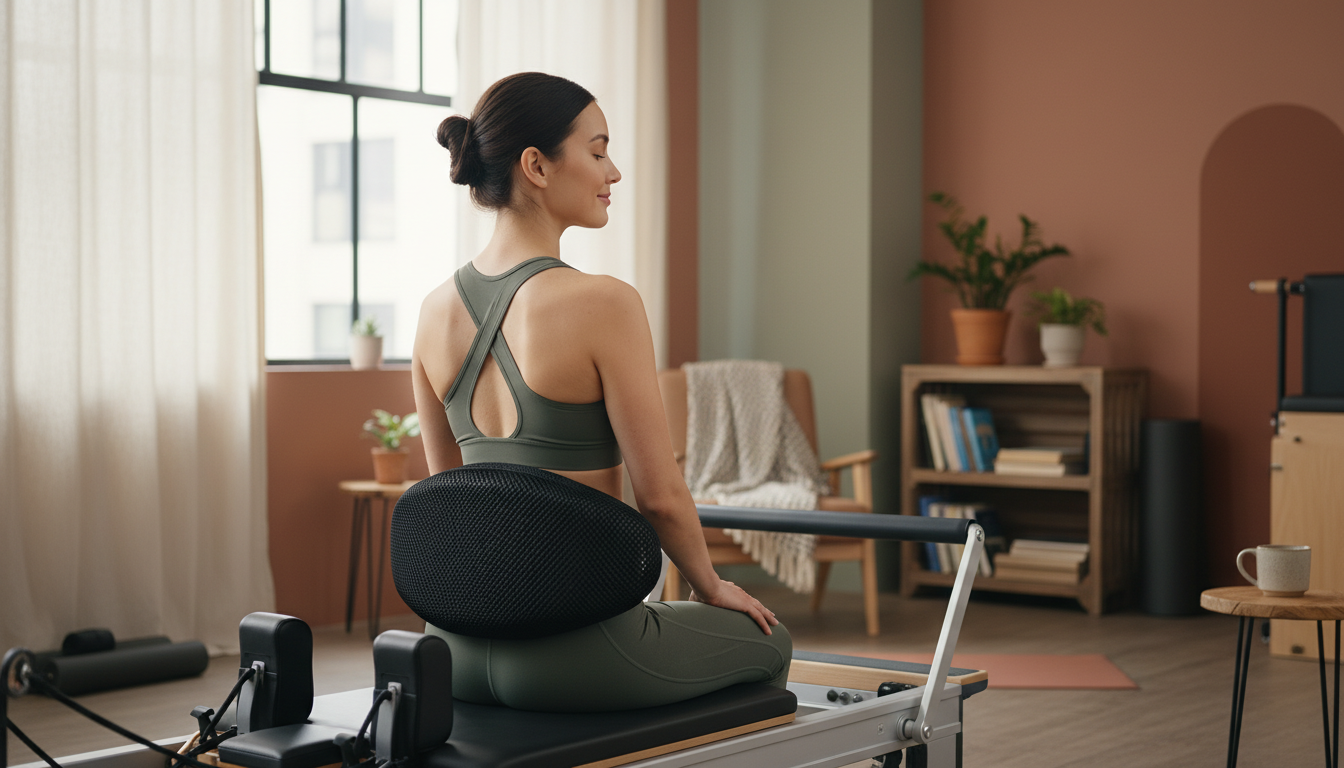
Yoga can be powerful medicine for back pain—or it can make things worse. The difference comes down to which poses you choose, how you modify them for your body, and understanding that not every yoga class is designed with back pain in mind. Done thoughtfully, yoga addresses multiple factors that contribute to back pain: flexibility, strength, body awareness, and stress.
📋 Table of Contents
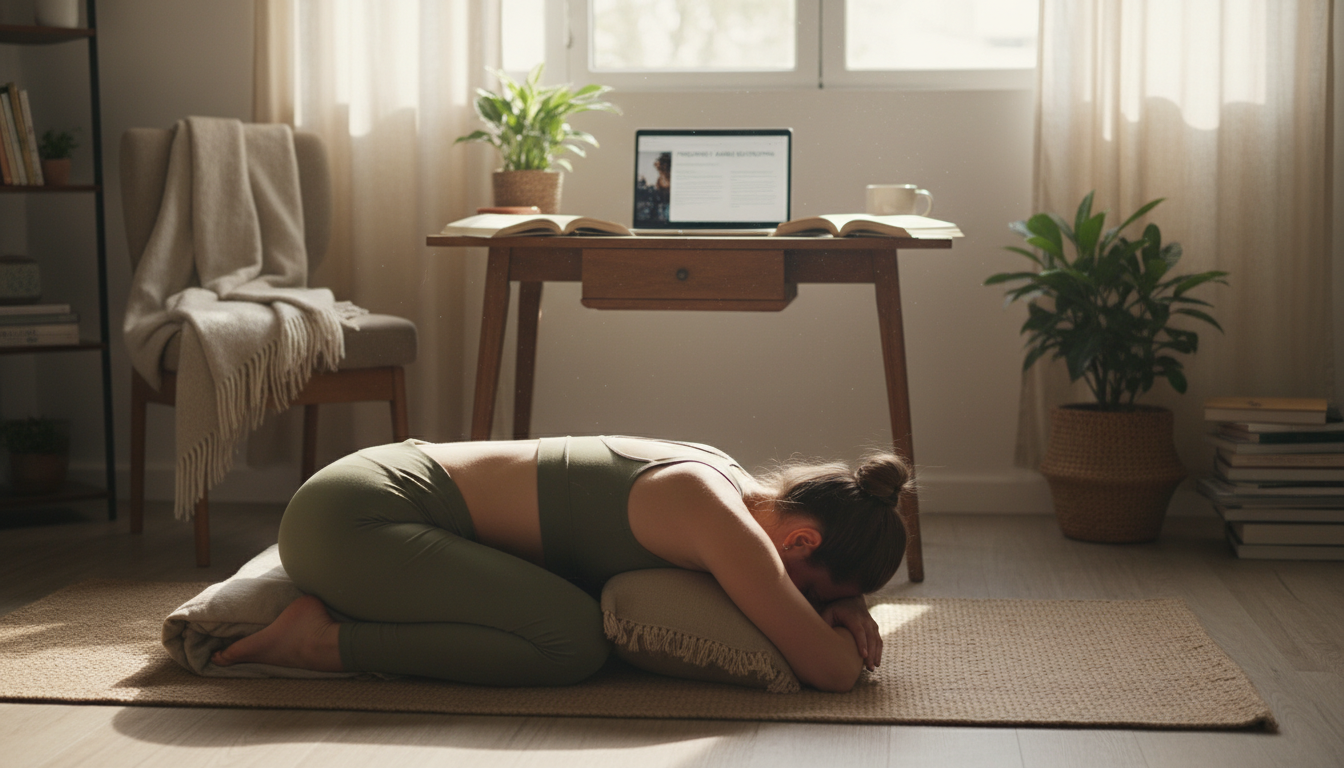
This guide covers yoga poses that typically help back pain, poses that often make it worse, and how to practice safely. Whether you’re new to yoga or experienced, these principles will help you use yoga as an effective tool for managing and preventing back pain.
Yoga addresses back pain through several mechanisms:
Multiple studies support yoga for back pain:
Yoga isn’t necessarily “better” than other exercise for back pain, but it offers unique advantages:
Not all yoga is created equal for back pain. Gentle styles like Hatha, Iyengar (which emphasizes alignment and props), and therapeutic yoga tend to be safest. Power yoga, hot yoga, and fast-paced Vinyasa may be risky if you’re new or have acute pain. Look for teachers who offer modifications and understand back pain.
Benefits: Gentle spinal stretch, relaxation, decompression
Modifications:
Benefits: Releases lower back tension, gentle massage
Benefits: Gentle rotation, releases hip and back tension
Modification: Place pillow between or under knees for support
Benefits: Spinal mobility, gentle warm-up
Benefits: Core stability, postural awareness
Benefits: Glute and core strengthening, gentle backbend
Benefits: Gentle backbend, rebuilds lumbar curve
Note: This pose helps many people but may aggravate spinal stenosis or facet joint issues. Skip if extension increases pain.
Benefits: Strengthens back extensors, opens chest
Caution: Don’t force this—gentle lift only. Skip with disc herniations or significant pain with extension.
Support Your Practice Off the Mat
The flexibility and strength you build in yoga needs support during sitting. Our lumbar pillow helps maintain alignment between practices.
Get Yoga-Complementing Support →
Maintain What You Build | 30-Day Trial | 2-Year Warranty
Tight hips contribute significantly to back pain:
Benefits: Stretches piriformis and deep hip rotators
Benefits: Stretches hip flexors shortened by sitting
Benefits: Deep hip stretch, releases tension
Caution: This is an intense pose. Keep hips level and use props generously. Skip if it causes knee or back pain.
These poses frequently cause problems for people with back pain:
Problem: Excessive spinal flexion under load
Modification: Bend knees generously, use blocks, or do seated version with strap
Problem: Rounds lower back, especially with tight hamstrings
Modification: Sit on blanket, bend knees, focus on hinging at hips not rounding spine
Problem: Extreme spinal flexion, pressure on neck
Recommendation: Avoid with back pain. Substitute legs-up-the-wall.
Problem: Extreme backbend, compresses lumbar spine
Recommendation: Stick to bridge pose instead.
Problem: Can strain spinal structures if done aggressively
Modification: Gentle twists only, no forcing depth
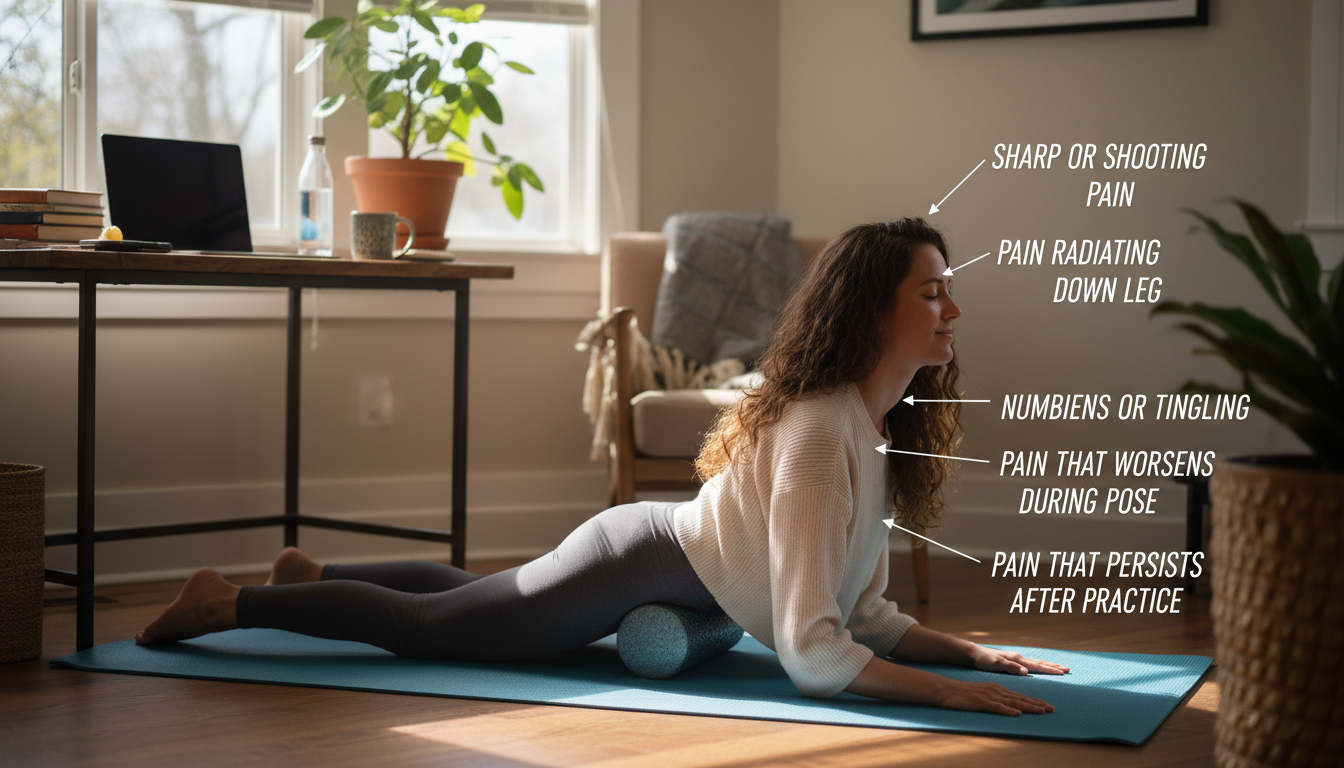
Stop if you experience:
| Pose | Duration | Focus |
|---|---|---|
| Knee-to-Chest | 30 sec each | Wake up spine |
| Supine Twist | 30 sec each | Rotation |
| Cat-Cow | 10 cycles | Mobility |
| Bird-Dog | 8 each side | Stability |
| Low Lunge | 30 sec each | Hip flexors |
| Child’s Pose | 60 sec | Release |
| Pose | Duration | Focus |
|---|---|---|
| Cat-Cow | 10 cycles | Warm up |
| Bridge Pose | 3 x 20 sec | Strengthen |
| Sphinx Pose | 60 sec | Extension |
| Reclined Pigeon | 90 sec each | Hip release |
| Low Lunge | 60 sec each | Hip flexors |
| Supine Twist | 60 sec each | Release |
| Legs Up Wall | 3-5 min | Recovery |
| Savasana | 2-3 min | Relaxation |
Yoga you can do at your desk:
Yoga can be safe and helpful, but requires careful pose selection. Avoid deep forward folds, extreme twists, and any pose that causes leg pain. Focus on gentle poses that maintain neutral spine or gentle extension (sphinx, modified cobra). Cat-cow, bird-dog, and hip stretches are usually safe. Always consult your healthcare provider before starting, and work with a teacher who understands disc injuries.
Consistency matters more than duration. Daily short sessions (10-15 minutes) often produce better results than occasional long sessions. Aim for at least 3-4 times per week to see improvements. Even 5 minutes of gentle stretching daily can help. As pain improves, you can increase duration and add more challenging poses.
Gentle, alignment-focused styles work best: Iyengar (uses props, emphasizes precision), therapeutic yoga, gentle Hatha, and restorative yoga. Avoid power yoga, hot yoga, and fast-paced Vinyasa until your back is stable and you know your body well. Look for classes specifically designed for back pain or beginners with plenty of modifications offered.
Yes, if done incorrectly. Common mistakes: pushing too deep into poses, doing poses inappropriate for your condition, practicing with poor alignment, or following a class not designed for back pain. Always modify poses to stay pain-free, skip poses that increase symptoms, and don’t compare yourself to others. If pain worsens, stop and reassess.
Absolutely. Props (blocks, straps, blankets, bolsters) are essential, not crutches. They allow you to maintain proper alignment, reduce strain, and access poses safely. Use blocks under hands in forward folds, blankets under hips for seated poses, straps to reach feet, and bolsters for supported restorative poses. More props = safer practice for back pain.
Yoga can be highly effective for back pain when practiced mindfully:
Yoga offers unique benefits for back pain through its combination of stretching, strengthening, and stress reduction. Use it wisely as part of a complete approach to back health.
Take Your Practice Off the Mat
The alignment and awareness you build in yoga needs support during daily activities. Our lumbar pillow helps maintain what you work so hard to achieve.
30-Day Money-Back Guarantee | 2-Year Warranty | Free Shipping
Your glutes have forgotten how to work. It sounds strange,

Your hip flexors are the hidden culprits of desk-job back
Your back is stiff, tight, and angry. And you’ve got

That nagging pain at the base of your spine—right where
Sitting with a herniated disc can feel like torture. Every
Your desk chair is failing you. Even if you paid

That deep ache in your buttock that won’t quit? The

You’ve blamed your chair for years. And you’re probably right—but
Your back is aching right now, isn’t it? That dull
Is your lower back screaming at you by 3 PM?