Free Shipping
Fast Delivery
Safe Payment
30-Day Guarantee
Free Shipping
Fast Delivery
Safe Payment
30-Day Guarantee

Tailbone Pain from Sitting – Complete Coccydynia Guide

Tailbone pain when sitting isn't just uncomfortable—it can make every chair feel like torture. If you dread sitting down, struggle through work, or find...
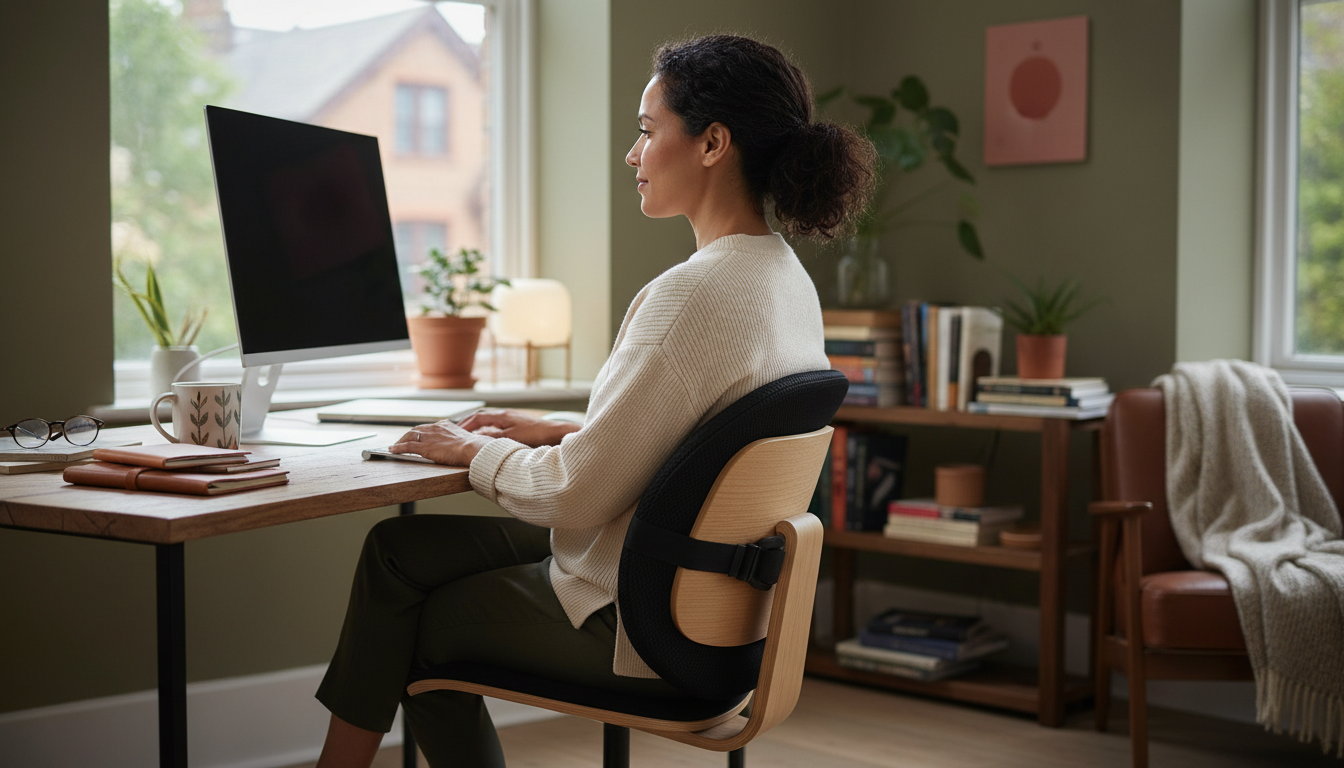
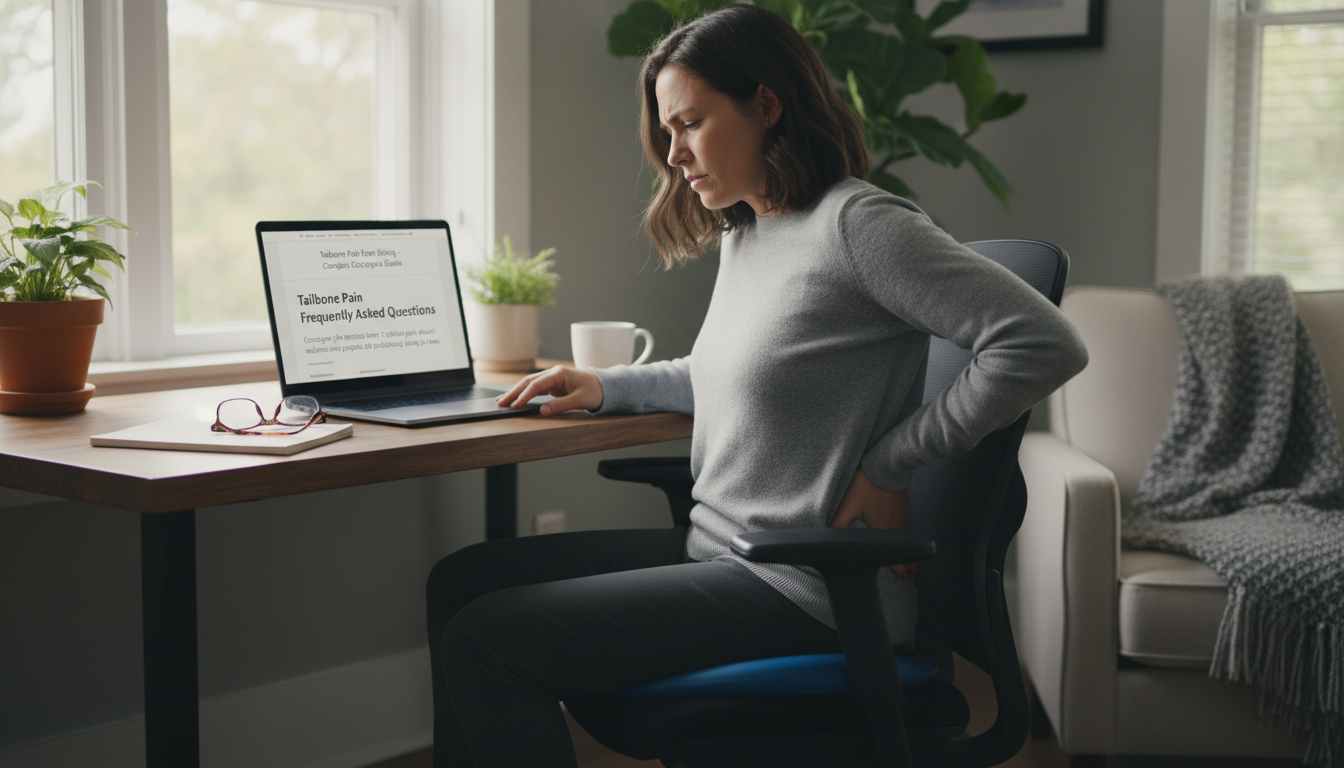
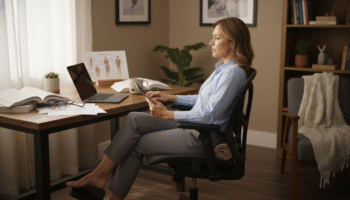
Tailbone Pain from Sitting - Complete Coccydynia Guide - Hero Image

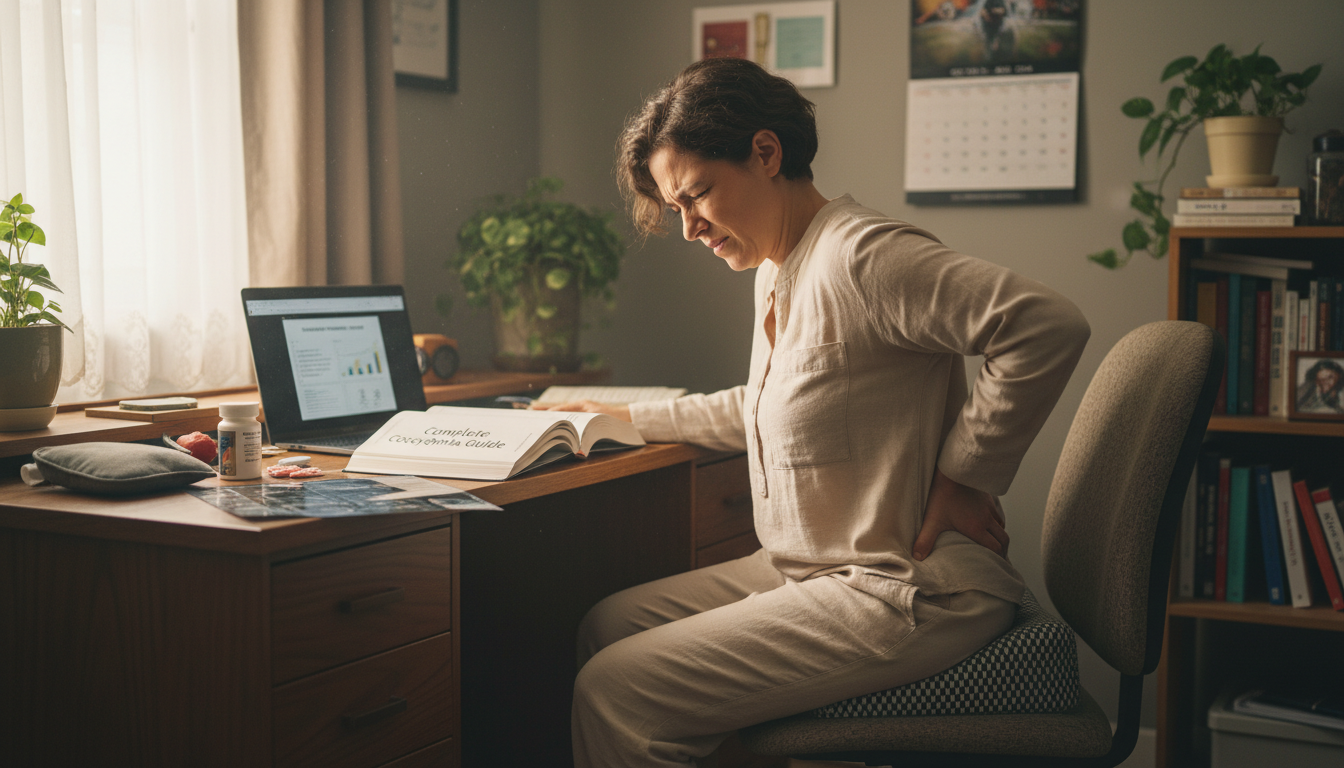
Tailbone pain when sitting isn’t just uncomfortable—it can make every chair feel like torture. If you dread sitting down, struggle through work, or find yourself constantly shifting to find relief, you’re not alone.

Coccydynia (the medical term for tailbone pain) affects millions of people, and prolonged sitting is the number one trigger. The good news: most cases improve significantly with the right approach—and it doesn’t require surgery or expensive treatments.

This guide covers exactly why your tailbone hurts, what’s causing it, and the most effective treatments—including the simple sitting modifications that provide immediate relief.

What Is Tailbone Pain (Coccydynia)?

Your coccyx (tailbone) is a small triangular bone at the very bottom of your spine, made up of 3-5 fused vertebrae. Despite its small size, it serves important functions:

  • Attachment point for muscles, tendons, and ligaments
  • Weight-bearing support when sitting
  • Stabilization for pelvic floor muscles

Coccydynia is pain in or around the coccyx. It can range from mild discomfort to severe, debilitating pain that makes sitting impossible.

Types of Tailbone Pain

Acute coccydynia: Sudden onset, often from injury or trauma. Usually improves within weeks to months.

Chronic coccydynia: Pain lasting more than 3 months. Often develops gradually from repeated stress or poor sitting posture.

Referred coccydynia: Pain felt at the tailbone but originating elsewhere (lower back, sacroiliac joint, pelvic floor).

Why Does My Tailbone Hurt When I Sit?

Sitting places direct pressure on your coccyx—especially on hard surfaces or with poor posture. Several mechanisms cause pain:

Direct Pressure on the Coccyx

When you sit, weight transfers through your pelvis to your sit bones (ischial tuberosities) and coccyx. On hard surfaces or with slouched posture, excessive pressure concentrates on the tailbone.

Factors that increase coccyx pressure:

  • Hard seating surfaces
  • Slouched posture (posterior pelvic tilt)
  • Leaning back excessively
  • Sitting for extended periods
  • Thin or minimal seat cushioning

Inflammation and Irritation

Repeated pressure causes inflammation of:

  • The coccyx bone itself
  • Surrounding soft tissues
  • The sacrococcygeal joint (where coccyx meets sacrum)
  • Ligaments attaching to the coccyx

Muscle Tension and Spasm

Pelvic floor muscles attach to the coccyx. When these muscles become tight or spastic (common with prolonged sitting), they pull on the coccyx and cause pain.

Postural Dysfunction

Poor sitting posture changes how weight distributes across your pelvis:

  • Slouching: Tilts pelvis backward, shifting weight onto coccyx
  • No lumbar support: Allows spine to flatten, increasing coccyx loading
  • Leaning back: Puts more pressure on tailbone than sit bones

The posture connection: Research shows that slouched sitting increases coccyx pressure by 30-50% compared to upright sitting with proper lumbar support. Correcting sitting posture is often the fastest path to tailbone pain relief.

Common Causes of Tailbone Pain

Trauma and Injury

  • Falls: Landing directly on the tailbone (most common cause)
  • Childbirth: The coccyx moves during delivery and can be injured
  • Direct impact: Contact sports, accidents
  • Repetitive strain: Activities like cycling or rowing

Non-Traumatic Causes

  • Prolonged sitting: Especially on hard surfaces or with poor posture
  • Degenerative changes: Arthritis of the sacrococcygeal joint
  • Hypermobility: Excessive movement of the coccyx
  • Hypomobility: Stiffness or fusion of coccyx segments
  • Muscle dysfunction: Pelvic floor tightness or weakness
  • Bone spurs: Abnormal bone growth on coccyx

Risk Factors

  • Female gender: Women are 5x more likely to develop coccydynia (wider pelvis, childbirth)
  • Obesity: Increased pressure on coccyx when sitting
  • Rapid weight loss: Loss of natural padding over coccyx
  • Sedentary occupation: Desk workers, drivers
  • Age: Degenerative changes more common with age

Coccydynia Treatment: What Actually Works

First-Line Treatments (Start Here)

Most tailbone pain improves with conservative treatment. Start with these approaches:

1. Modify How You Sit

The single most important intervention is reducing pressure on your tailbone while sitting.

Sitting modifications:

  • Use lumbar support: Maintains upright posture that shifts weight to sit bones instead of tailbone
  • Lean forward slightly: Takes pressure off coccyx
  • Avoid hard surfaces: Add cushioning or avoid altogether
  • Alternate positions: Sit, stand, walk—vary throughout the day
  • Consider a coccyx cushion: Cut-out or wedge designs reduce direct pressure

Immediate relief: The LumbarPillow Orthopedic positions your pelvis to shift weight off the coccyx and onto your sit bones—where it belongs. This isn’t about comfort; it’s about removing the pressure that causes and perpetuates tailbone pain. Many users report significant relief within days of correcting their sitting posture.

2. Apply Ice and Heat

  • Ice (first 48-72 hours or during flare-ups): 15-20 minutes several times daily, reduces inflammation
  • Heat (for chronic pain): Relaxes muscles, improves blood flow
  • Alternating: Some find alternating ice and heat most effective

3. Over-the-Counter Pain Relief

  • NSAIDs (ibuprofen, naproxen): Reduce inflammation and pain
  • Acetaminophen: For pain relief without anti-inflammatory effect
  • Topical creams: Anti-inflammatory gels applied directly to area

Note: Consult your doctor for appropriate medication use, especially for long-term use.

4. Gentle Stretching

Stretches that relieve tension around the coccyx:

Piriformis stretch:

  • Lie on back, cross affected ankle over opposite knee
  • Pull the uncrossed leg toward chest
  • Hold 30-60 seconds, repeat 3 times

Knee-to-chest stretch:

  • Lie on back, pull one or both knees to chest
  • Hold 30 seconds
  • Gently rock side to side

Cat-cow stretch:

  • On hands and knees
  • Alternate between arching and rounding back
  • Move slowly through 10-15 cycles

Second-Line Treatments (If First-Line Doesn’t Help)

Physical Therapy

A physical therapist specializing in pelvic pain can provide:

  • Manual therapy: Mobilization of the coccyx and surrounding structures
  • Pelvic floor rehabilitation: Address muscle dysfunction contributing to pain
  • Postural training: Learn proper sitting and movement mechanics
  • Strengthening exercises: Build support around the area

Coccyx Manipulation

Internal or external manipulation of the coccyx by a trained practitioner can help cases involving:

  • Hypermobility (too much movement)
  • Hypomobility (too little movement)
  • Malalignment

Injections

  • Corticosteroid injections: Reduce inflammation around coccyx
  • Local anesthetic: Nerve blocks for pain relief
  • Ganglion impar block: Targets nerve bundle near coccyx

Last-Resort Treatments

Coccygectomy (Surgery)

Surgical removal of part or all of the coccyx is reserved for severe cases that don’t respond to conservative treatment after 6+ months. Success rates vary (60-90%), and recovery takes several months.

Surgery is typically only considered when:
  • Pain is severe and debilitating
  • All conservative treatments have failed
  • Imaging shows clear coccyx pathology
  • Pain has persisted for at least 6-12 months

How to Sit with Tailbone Pain

While you’re healing, these strategies minimize pain during sitting:

Optimal Sitting Position

  1. Sit upright with a slight forward lean
  2. Use lumbar support to maintain natural spinal curve
  3. Weight on sit bones, not tailbone
  4. Feet flat on floor, knees at 90 degrees
  5. Avoid leaning back against hard chair backs

Cushion Strategies

Coccyx cut-out cushions:

  • U-shaped or wedge cushions with tailbone cut-out
  • Eliminate direct pressure on coccyx
  • Best for severe pain

Wedge cushions:

  • Tilt pelvis forward
  • Shift weight to sit bones
  • Work well combined with lumbar support

Lumbar support:

  • Prevents slouching that loads the tailbone
  • Maintains pelvic position that protects coccyx
  • Essential foundation even if using other cushions

Sitting Habits to Adopt

  • Limit sitting time: Stand every 20-30 minutes
  • Avoid hard surfaces: Add cushioning wherever you sit
  • Don’t cross legs: Can torque the pelvis and increase coccyx stress
  • Use armrests: Take some weight off pelvis when available
  • Shift position: Don’t stay static—small movements help

Sitting Habits to Avoid

  • Slouching: Shifts all weight onto tailbone
  • Sitting on wallet: Creates uneven pressure and pelvic tilt
  • Hard chairs without cushioning: Maximum pressure on coccyx
  • Prolonged sitting without breaks: Cumulative stress causes inflammation

How Long Does Tailbone Pain Take to Heal?

Recovery time varies significantly based on cause and severity:

Typical Timelines

  • Mild coccydynia (bruising, minor strain): 2-4 weeks
  • Moderate coccydynia (significant injury or inflammation): 4-8 weeks
  • Severe coccydynia (fracture, dislocation): 8-12 weeks
  • Chronic coccydynia: Months to years (but often manageable)

Factors That Speed Recovery

  • Early intervention (don’t ignore the pain)
  • Consistent sitting modifications
  • Avoiding activities that aggravate pain
  • Appropriate stretching and movement
  • Addressing underlying causes (muscle dysfunction, posture)

Factors That Slow Recovery

  • Continuing to sit with poor posture
  • Hard seating surfaces
  • Ignoring pain and “pushing through”
  • Sedentary behavior (no movement or stretching)
  • Repeated re-injury

When to See a Doctor

Seek medical evaluation if you experience:

  • Severe pain: Especially after a fall or injury
  • Pain that doesn’t improve: After 2-4 weeks of self-care
  • Numbness or tingling: In legs or pelvic area
  • Bowel or bladder changes: Could indicate nerve involvement
  • Fever: May indicate infection
  • Visible swelling or mass: Needs evaluation
  • Pain that wakes you from sleep: Red flag symptom

Your doctor may order imaging (X-ray, MRI) to evaluate the coccyx structure and rule out other conditions.

Preventing Tailbone Pain

If you’ve recovered from coccydynia—or want to prevent it—these habits protect your tailbone:

Sitting Prevention Strategies

  • Always use lumbar support: Prevents the slouching that loads the coccyx
  • Take frequent breaks: Stand every 30 minutes minimum
  • Choose padded seating: Avoid hard chairs when possible
  • Maintain healthy weight: Reduces sitting pressure
  • Strengthen core and glutes: Better pelvic support

Lifestyle Prevention

  • Stay active: Regular movement prevents stiffness
  • Stretch regularly: Especially hip flexors, piriformis, pelvic floor
  • Protect during activities: Proper padding for cycling, careful with contact sports
  • Mindful sitting: Check your posture throughout the day

Frequently Asked Questions

Why does my tailbone hurt without injury?

Most coccydynia develops without a specific injury. Common non-traumatic causes include: prolonged sitting (especially with poor posture or on hard surfaces), repetitive strain from activities like cycling, pelvic floor muscle dysfunction, degenerative changes with age, and postural problems. The cumulative stress from months or years of sitting can cause inflammation and pain without any single traumatic event.

Can sitting on a hard surface damage your tailbone?

Yes. Hard surfaces concentrate pressure directly on the coccyx instead of distributing it across the sit bones. Over time, this causes inflammation, irritates soft tissues, and can lead to chronic coccydynia. The damage is cumulative—it often develops gradually rather than from a single sitting session. Consistent use of proper cushioning and lumbar support prevents this damage.

Is tailbone pain serious?

Most tailbone pain is not serious and improves with conservative treatment. However, it can significantly impact quality of life and should be addressed rather than ignored. Rarely, tailbone pain can indicate more serious conditions (infection, tumor, fracture), which is why persistent pain or red flag symptoms warrant medical evaluation. The vast majority of cases are benign and treatable.

Does lumbar support help with tailbone pain?

Yes—lumbar support is one of the most effective interventions for tailbone pain. Here’s why: when you slouch (lose your lumbar curve), your pelvis tilts backward, shifting weight from your sit bones onto your tailbone. Lumbar support maintains your spine’s natural curve, keeping your pelvis in a position that protects the coccyx. Even if you also use a coccyx cushion, lumbar support is essential for optimal results.

Should I use a donut pillow or coccyx cushion?

Coccyx cushions (with a cut-out or wedge design) can provide immediate relief by removing direct pressure on the tailbone. They’re most helpful for severe pain or when sitting on hard surfaces. However, they work best combined with lumbar support—the cushion removes pressure, while lumbar support maintains the posture that prevents pressure from returning. A donut pillow without addressing posture provides temporary relief but doesn’t solve the underlying problem.

Stop sitting on your tailbone.

Tailbone pain comes from pressure that belongs on your sit bones landing on your coccyx instead. Our orthopedic lumbar pillow maintains the pelvic position that protects your tailbone—providing relief that lasts beyond the moment you stand up.

Get Tailbone Relief →

30-Day Money Back
2-Year Warranty
Free Returns
24/7 Support

30-Day Money-Back Guarantee | 2-Year Warranty | Free Shipping

More Posts

Your Cart

Your cart is empty

Looks like you haven't added anything yet.

Start Shopping