
Gluteal Amnesia and Back Pain
Your glutes have forgotten how to work. It sounds strange,
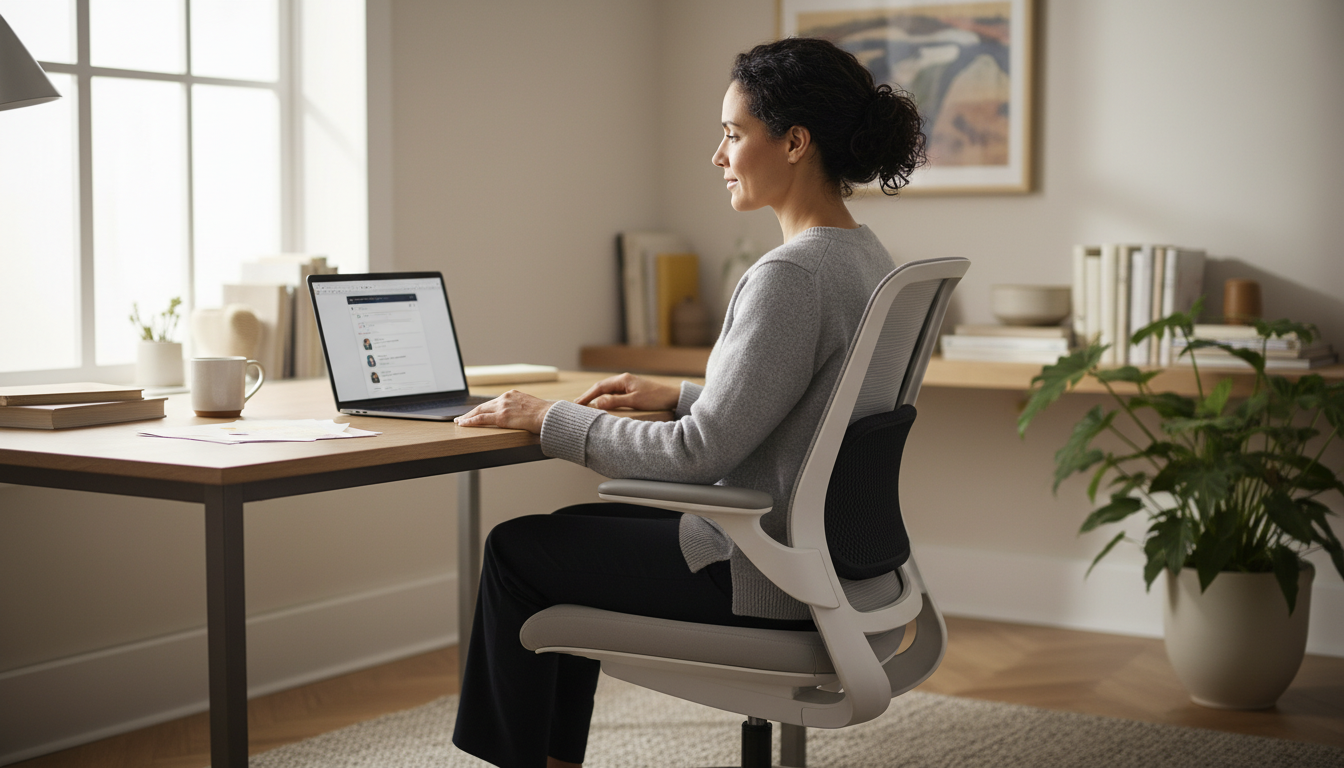
Here’s something that surprises most people with spinal stenosis: sitting often feels better than standing. That’s because flexion (bending forward) opens up the spinal canal, giving those compressed nerves a bit more room to breathe.
📋 Table of Contents
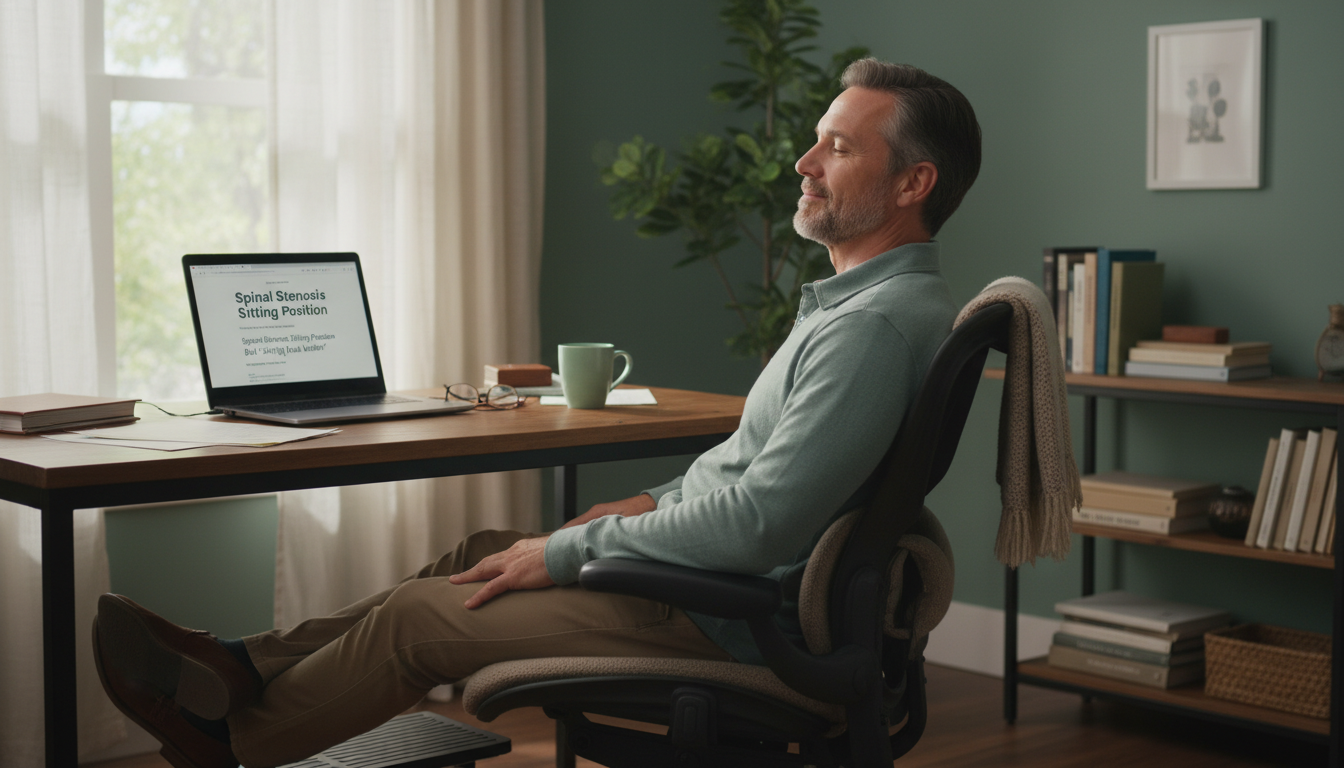
But “sitting feels better” doesn’t mean “all sitting is good.” The wrong sitting position can still aggravate your symptoms, and spending all day seated creates its own problems. Understanding how stenosis affects your spine helps you find positions that genuinely help—not just ones that feel temporarily okay.
This guide explains the mechanics behind stenosis and sitting, the best positions for your specific situation, and how to set up your workspace for maximum comfort.
Spinal stenosis means narrowing of the spinal canal—the tunnel that houses your spinal cord and nerve roots. This narrowing typically occurs from:
When you sit—especially with a slight forward lean—your lumbar spine flexes. This flexion:
This is why people with stenosis often lean on shopping carts or walk bent forward—it’s not laziness, it’s neurological relief.
If you can walk much longer when pushing a shopping cart (leaning forward) than when walking upright, you likely have symptomatic stenosis. This classic sign demonstrates how flexion opens the spinal canal.
Stenosis typically feels better with flexion (sitting, bending forward). Disc herniation typically feels better with extension (standing upright, arching back). If you’re unsure which you have, your positional preferences offer strong clues.
The most comfortable position for many stenosis patients:
Best for: Moderate to severe stenosis, during symptom flares
Opens the spine while reducing forward lean fatigue:
Best for: Extended sitting periods, watching TV, reading
Similar to hospital bed positioning:
Best for: Severe symptoms, relaxation time, reading in bed
For those who need to maintain more professional posture:
Best for: Work situations requiring upright posture
Most back pain benefits from maintaining the lumbar lordosis (inward curve). Stenosis is different. For many stenosis patients, less lordosis means less symptoms.
Customizable Support for Every Condition
Our adjustable lumbar pillow can be positioned lower for stenosis needs—or used to support the sacral region. Find the position that works for YOUR spine.
Adjustable Positioning | 30-Day Trial | 2-Year Warranty
Look for chairs that allow:
Counter-intuitively, a standing desk can help—IF you use it with forward lean:
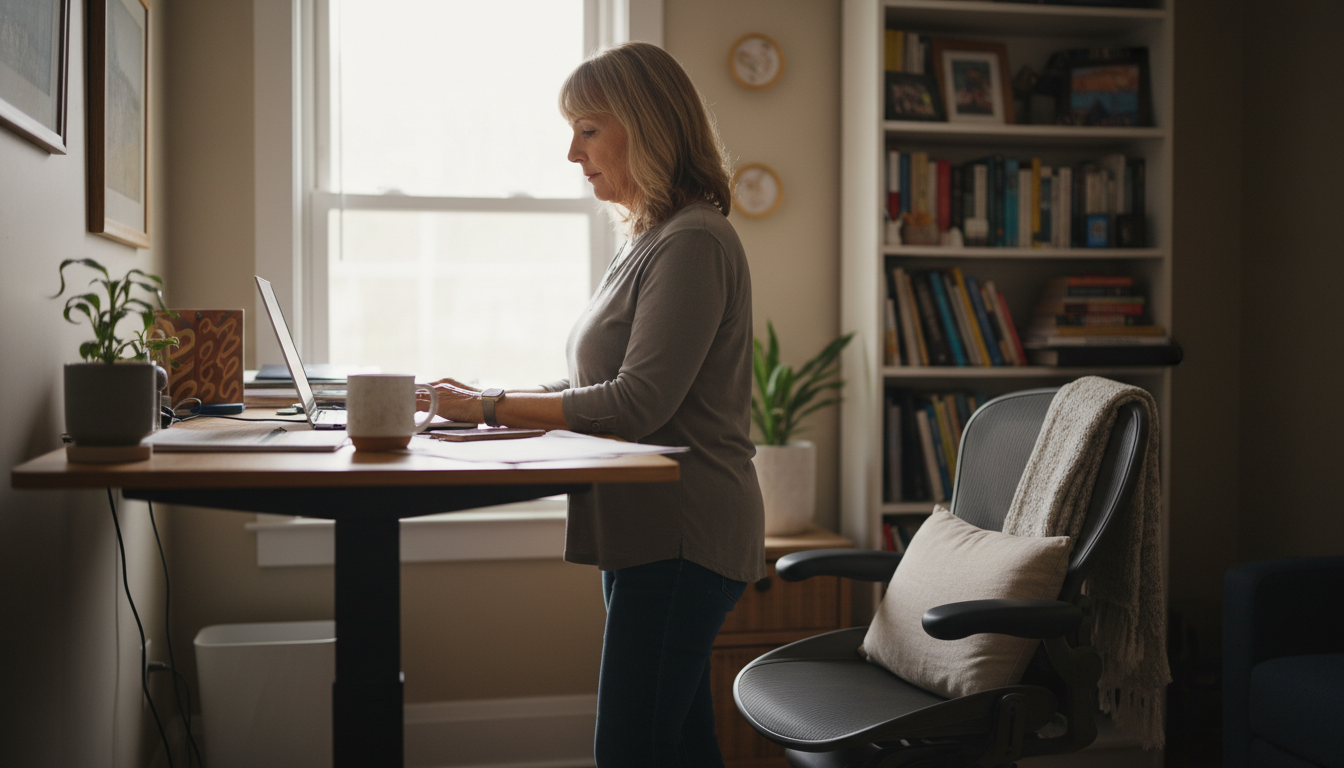
Even though sitting may feel better than standing, prolonged static sitting creates problems:
Best activities for stenosis:
While sitting may feel better, spending all day seated leads to deconditioning. Aim for:
Sitting, especially with a forward lean, flexes the lumbar spine. This flexion opens the spinal canal by 10-15%, reducing pressure on compressed nerves. Standing and walking extend the spine, narrowing the canal and increasing symptoms. This is why many stenosis patients prefer sitting and lean on shopping carts when walking.
A slight forward lean with elbows resting on desk or thighs works best for most stenosis patients. Alternatively, a reclined position with elevated feet maintains spinal opening while reducing muscle fatigue. The key is maintaining some degree of lumbar flexion rather than the typical upright posture recommended for other back conditions.
Unlike most back conditions, spinal stenosis often does better with less lumbar support. If using support, position it lower (L5-S1 region) and choose softer support. Some patients do better with a seat wedge that encourages forward tilt rather than lumbar support that encourages extension.
While sitting may feel better short-term, excessive sitting leads to muscle deconditioning that can worsen long-term outcomes. The leg weakness associated with stenosis can progress faster without regular activity. Balance symptom relief from sitting with movement to maintain muscle function and overall fitness.
Standing is typically worse because it extends the spine, narrowing the canal. However, standing with a forward lean (like leaning on a counter) maintains flexion and may be tolerable. Some patients find brief standing periods help prevent the stiffness from prolonged sitting, even if uncomfortable.
Spinal stenosis requires a different approach to sitting than other back conditions:
Work with your healthcare provider to find the right balance between symptom management and maintaining function. Sitting can provide relief, but it shouldn’t become a permanent solution that limits your life.
Support That Adapts to Your Needs
Whether you need traditional lumbar support or a different positioning solution, our adjustable pillow works with your unique spinal condition.
30-Day Money-Back Guarantee | 2-Year Warranty | Free Shipping
Your glutes have forgotten how to work. It sounds strange,
Your hip flexors are the hidden culprits of desk-job back
Your back is stiff, tight, and angry. And you’ve got
That nagging pain at the base of your spine—right where
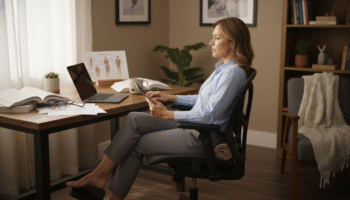
Sitting with a herniated disc can feel like torture. Every
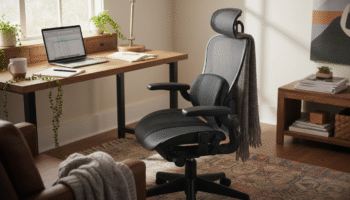
Your desk chair is failing you. Even if you paid
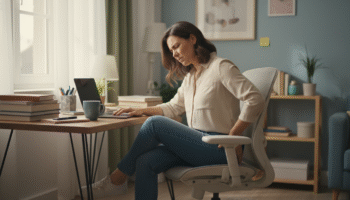
That deep ache in your buttock that won’t quit? The

You’ve blamed your chair for years. And you’re probably right—but
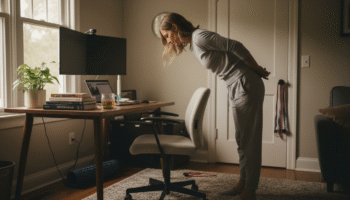
Your back is aching right now, isn’t it? That dull
Is your lower back screaming at you by 3 PM?