Free Shipping
Fast Delivery
Safe Payment
30-Day Guarantee
Free Shipping
Fast Delivery
Safe Payment
30-Day Guarantee

Restaurant and Dining Chair Back Pain

You came for the food, not the backache. Restaurant chairs have one job: look stylish and fit the décor. Your comfort over a multi-course meal? That's rarely...
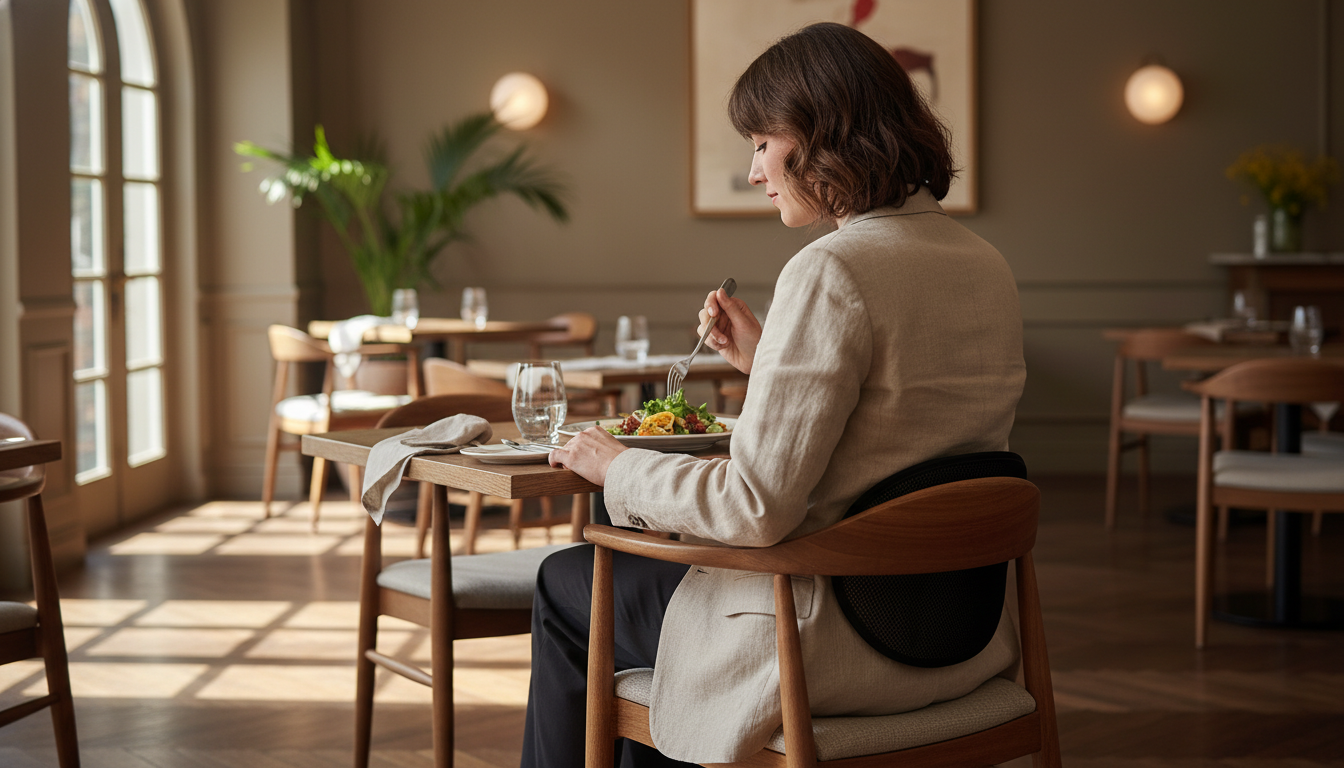
Restaurant and Dining Chair Back Pain - Hero Image

You came for the food, not the backache. Restaurant chairs have one job: look stylish and fit the décor. Your comfort over a multi-course meal? That’s rarely the designer’s concern. From trendy hard wooden chairs to booth seats that swallow you, dining out can be surprisingly hard on your back.

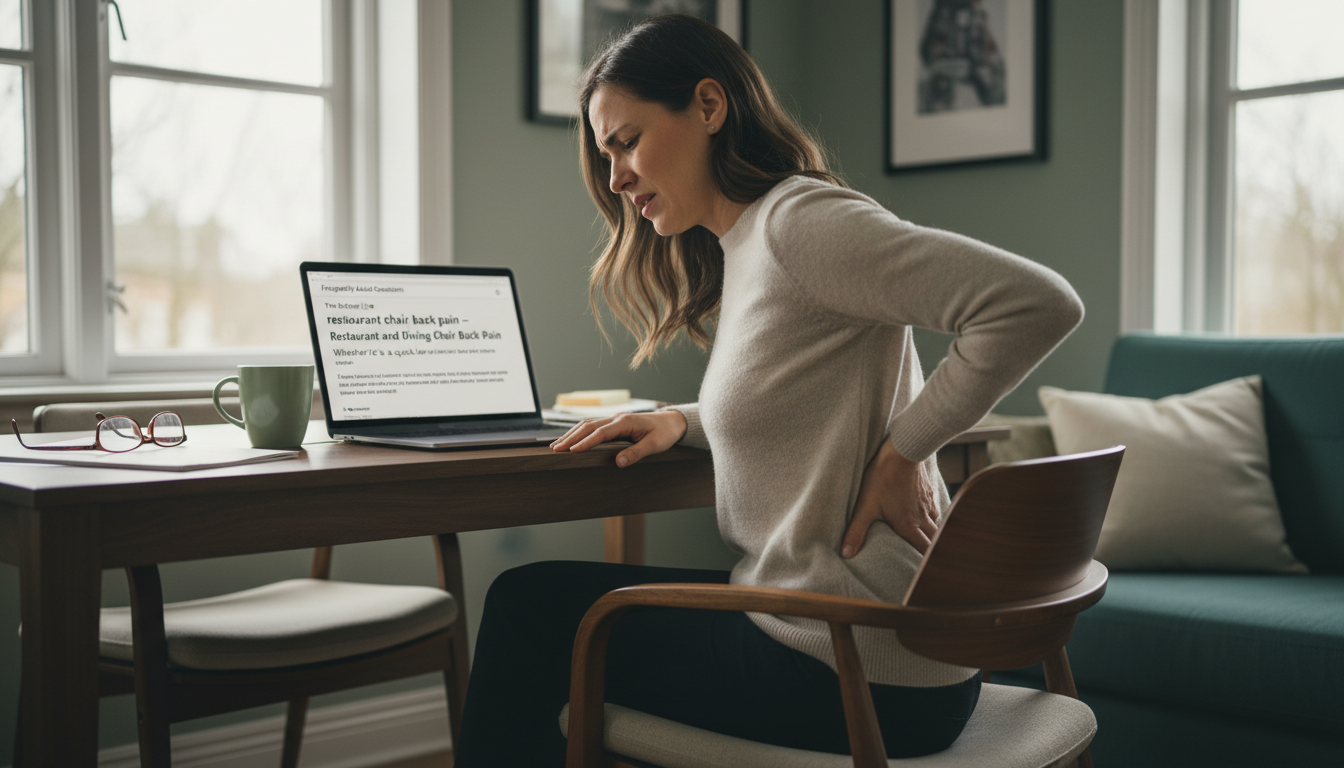
restaurant chair back pain – Restaurant and Dining Chair Back Pain

Whether it’s a quick lunch, business dinner, or special occasion meal, understanding how to manage restaurant seating can help you enjoy the experience without dreading the aftermath.

This guide covers common restaurant seating problems and practical strategies for dining comfort.

Why Restaurant Chairs Cause Problems

Design Priorities

Restaurant furniture is designed for:

  • Aesthetics: Matching the restaurant’s style and brand
  • Durability: Withstanding heavy commercial use
  • Space efficiency: Fitting maximum customers
  • Easy cleaning: Hard surfaces, minimal fabric
  • Comfort: A distant consideration, if at all

Common Restaurant Seating Problems

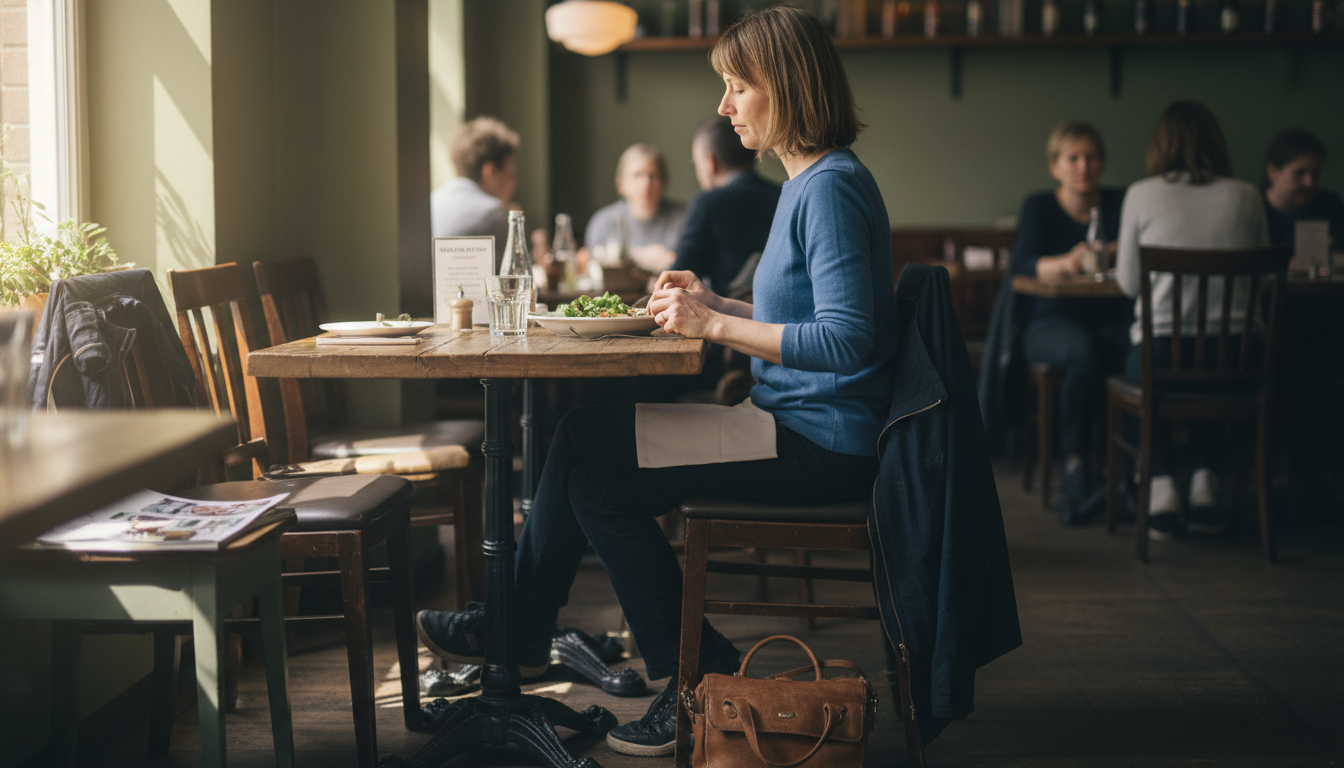
  • Hard wooden chairs: No cushioning, no lumbar support
  • Metal chairs: Same problems, often cold too
  • Deep booths: Can’t reach the backrest, unsupported sitting
  • Low benches: Forces bad posture, no back support at all
  • Bar stools: No back support, often wrong height
  • Designer chairs: Prioritize looks over function

The Meal Length Factor

Meal Type Typical Duration Back Stress Level
Quick lunch 30-45 minutes Low
Casual dinner 1-1.5 hours Moderate
Business dinner 2-3 hours High
Special occasion 2-4 hours High

The Social Eating Trap

During meals, we’re focused on conversation and food, not posture. It’s easy to slouch, lean forward to hear others, or sit uncomfortably without noticing—until you try to stand up and your back protests. Social distraction makes poor seating even more problematic.

Strategies for Different Seating Types

Hard Chairs Without Back Support

The most common and worst offender:

  • Sit toward the front edge (don’t try to use inadequate backrest)
  • Engage core muscles to maintain posture
  • Feet flat on floor, thighs parallel to ground
  • If you brought a lumbar support, use it
  • Keep meals shorter when possible

Deep Booth Seats

When backrest is too far away:

  • Scoot all the way back (use cushion behind you if gap remains)
  • Request an extra pillow from staff
  • Use your jacket rolled up as lumbar support
  • Alternate between back-supported and perched positions

Bar Stools

Inherently challenging for backs:

  • Use footrest to support legs properly
  • Choose stools with backs when available
  • Keep bar visits shorter
  • Stand periodically if conversation allows
  • If regular bar patron, consider bringing portable support

Trendy Low Seating

Benches, poufs, and low lounges:

  • This is challenging territory—limited solutions
  • Cross legs to raise one hip if floor seating
  • Use cushions liberally
  • Politely request a chair if possible
  • Keep time limited

Portable Comfort for Any Restaurant

Our compact lumbar pillow fits in a bag and transforms any restaurant chair into supportive seating. Discrete enough for fine dining.

Get Dining Comfort →

30-Day Money Back
2-Year Warranty
Free Returns
24/7 Support

Compact Design | 30-Day Trial | 2-Year Warranty

Making the Best of Limited Options

Choosing Your Seat

When you have options:

  • Booth seats (if not too deep) often better than hard chairs
  • Padded chairs over hard ones
  • Chairs with any back support over backless
  • Avoid bar seating for long meals
  • Ask to change tables if seating is problematic

Improvised Support

Using what’s available:

  • Your jacket: Roll up and place behind lower back
  • Sweater or scarf: Same use
  • Extra cushions: Ask the restaurant if booth cushions are available
  • Handbag: Can provide some support in a pinch

Posture Awareness

Without support, focus on:

  • Sitting tall (not rigid, but not slouched)
  • Feet flat on floor
  • Avoiding forward lean toward the table
  • Periodic position changes
  • Brief standing breaks (restroom, etc.)

Person using lumbar support pillow in office chair

Special Dining Situations

Business Meals

Challenges: Long duration, limited movement options, focus on conversation

  • Discretely bring lumbar support if regular occurrence
  • Choose restaurants with better seating when you’re planning
  • Position yourself so standing for restroom breaks is natural
  • Use menu review and ordering as posture reset moments

Wedding Receptions and Events

Challenges: Very long sitting, formal setting, limited control

  • Bring small, discrete lumbar support
  • Take advantage of social dancing
  • Stand during cocktail portions
  • Walk around and mingle between courses
  • Request different seating if assigned seat is problematic

Outdoor Dining

Variable seating quality:

  • Metal chairs: Often uncomfortable—ask for cushion
  • Plastic chairs: Usually no lumbar support
  • Picnic tables: Bench seating with no back support
  • Advantage: More casual environment, easier to stand/move

Fast Food and Casual

Generally quick visits, but seating is often terrible:

  • Molded plastic seats designed for short use
  • Keep visits brief
  • Standing/counter areas may be preferable
  • Take food to-go if seating is problematic

At-Home Dining Chair Solutions

Evaluating Your Own Chairs

If your home dining chairs cause pain:

  • Add cushions for hard seats
  • Use a lumbar pillow during meals
  • Consider replacing worst offenders
  • Look for chairs with lumbar curves when buying

Hosting Considerations

For guests with back issues:

  • Offer chair options
  • Have cushions available
  • Don’t make guests feel awkward about needing support
  • Keep meal portions moving (not 4-hour dinners in hard chairs)

Frequently Asked Questions

Is it socially acceptable to bring a lumbar pillow to a restaurant?

Yes, though it depends on the setting. At casual restaurants, it’s completely unremarkable. At fine dining, a small, discrete pillow that matches or is covered by your jacket is rarely noticed. Your comfort matters more than any perceived awkwardness—and honestly, most people won’t notice or care. Those with chronic back pain do this regularly.

Should I ask to change tables if the seating is uncomfortable?

Absolutely. Restaurants want you to have a good experience. Politely ask if a different table is available when you’re shown to uncomfortable seating. Most hosts accommodate such requests when possible. It’s better to ask early than suffer through the meal or leave with back pain.

How do I sit properly in a deep booth seat?

Scoot all the way to the back and use something to fill the gap between your lower back and the booth back—your jacket, a purse, or ask for an extra cushion. If the seat is too deep and you can’t reach the back comfortably, sit at the edge and maintain good posture without back support for shorter periods.

Why does my back hurt more after some restaurant meals than others?

Several factors: chair type (hard vs. padded, with/without back support), meal duration, your posture awareness during the meal, and what you did before and after. A 3-hour business dinner on a hard chair after sitting all day at work will hurt more than a 45-minute lunch after walking around.

Are restaurant booths or chairs better for back pain?

It depends on the specific booth or chair. A well-designed booth with appropriate depth and cushioning can be more comfortable than a hard chair. However, deep booths where you can’t reach the back, or thin-cushioned booths, can be just as bad. Generally, padded booth seating at the right depth is preferable to hard chairs without back support.

The Bottom Line

Restaurant dining doesn’t have to mean back pain:

  1. Be prepared: Bring lumbar support for longer meals
  2. Choose wisely: Select better seating when options exist
  3. Improvise: Use jackets, cushions, whatever helps
  4. Move when possible: Restroom breaks, standing for goodbyes
  5. Keep it short: When seating is terrible, efficiency is kindness

Good food and good company deserve to be enjoyed without suffering afterward.

Dine Without the Discomfort

Our portable lumbar pillow turns any restaurant seat into comfortable seating. Small enough for your bag, effective enough for long dinners.

Try Risk-Free for 30 Days →

30-Day Money Back
2-Year Warranty
Free Returns
24/7 Support

30-Day Money-Back Guarantee | 2-Year Warranty | Free Shipping

More Posts

Your Cart

Your cart is empty

Looks like you haven't added anything yet.

Start Shopping