
Gluteal Amnesia and Back Pain
Your glutes have forgotten how to work. It sounds strange,
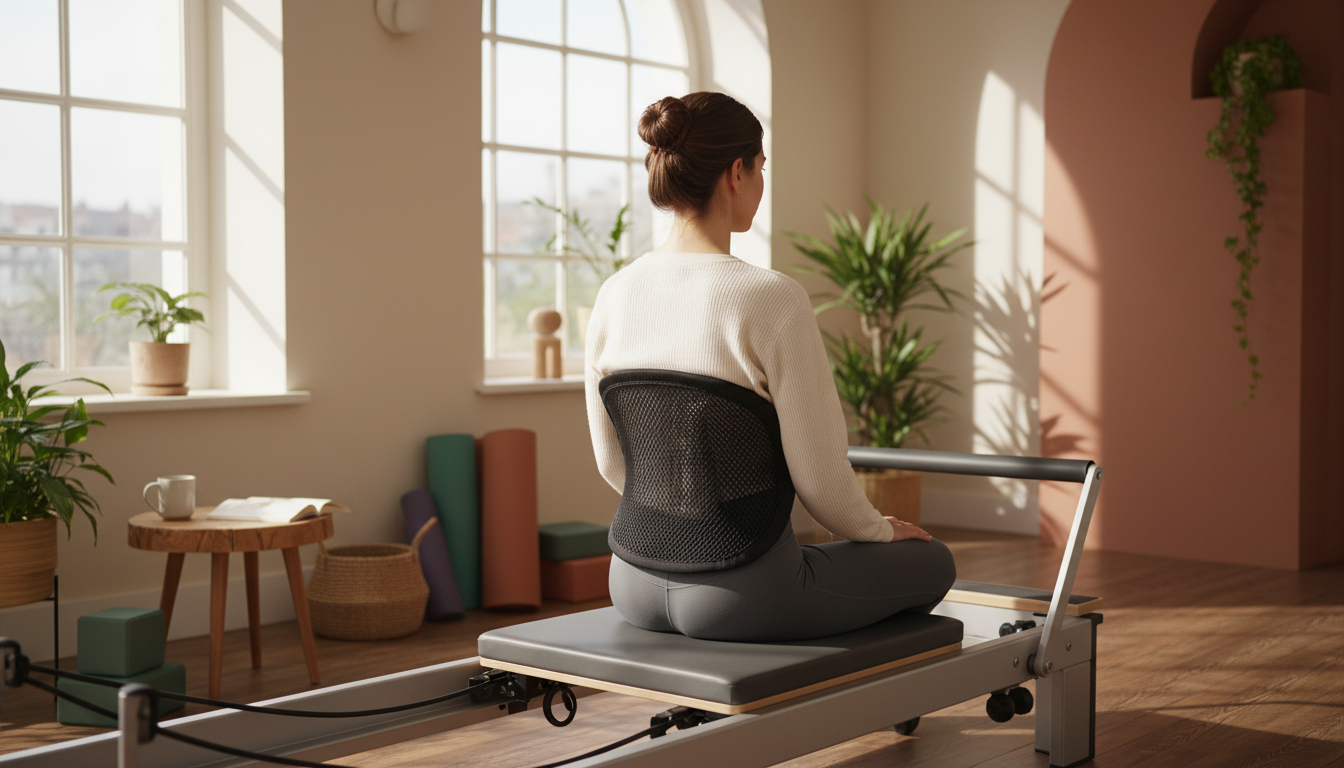
Pilates was literally created for back health. Joseph Pilates developed his method in the early 20th century partly to rehabilitate injured dancers and soldiers with back problems. The core principles—centering, control, precision, and flow—are designed around spinal health and stability. That’s why physical therapists frequently recommend Pilates for back pain patients.
📋 Table of Contents
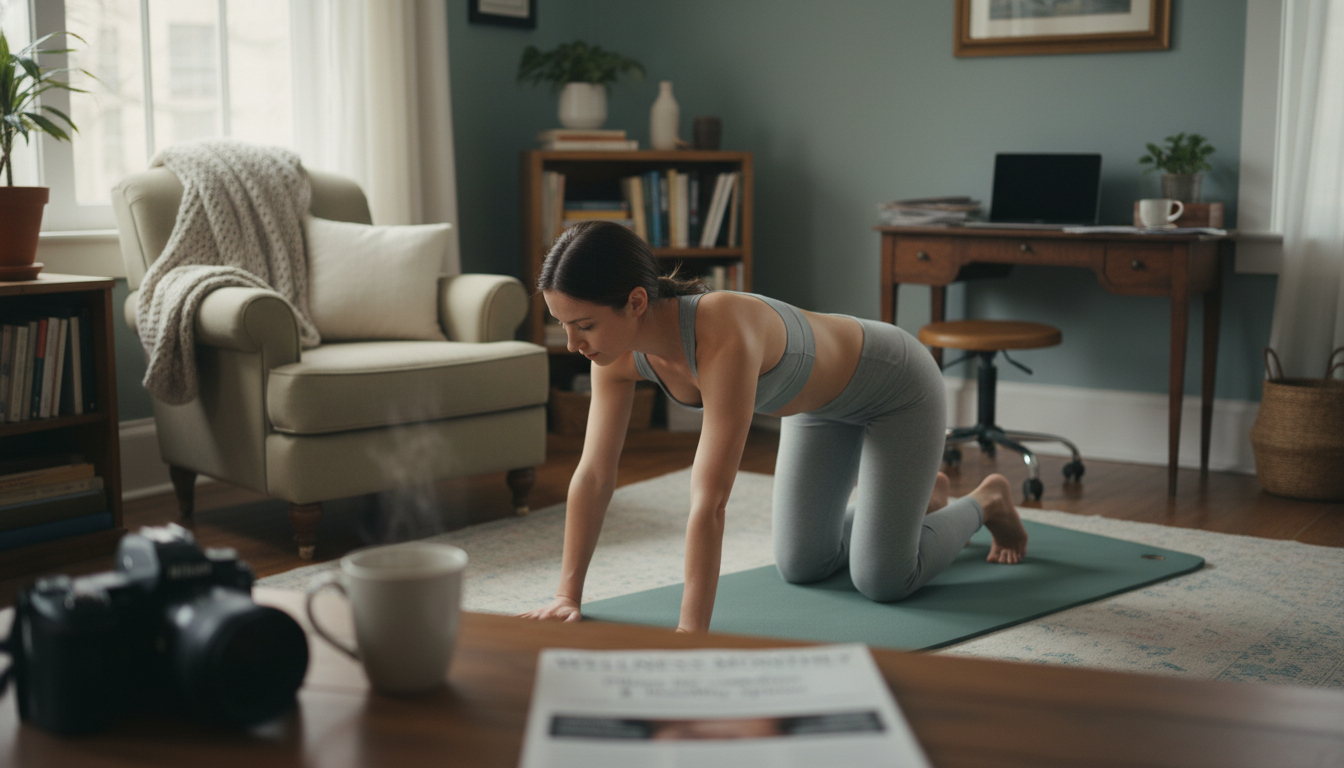
But not all Pilates is appropriate for all back conditions. The wrong exercises can aggravate pain, while the right ones build the deep stabilizing muscles your spine desperately needs. Understanding which exercises to embrace and which to modify makes the difference.
This guide covers how to use Pilates effectively and safely for lower back pain.
Pilates emphasizes the “powerhouse”—deep stabilizing muscles:
These are the exact muscles that often become weak or inhibited with back pain—and the ones that matter most for spinal support.
Studies consistently support Pilates for back pain:
Mat Pilates uses body weight and gravity; Reformer Pilates uses a specialized machine with springs. Both can help back pain. Mat is more accessible (can do at home), while Reformer provides variable resistance and guidance. For back pain, starting with mat fundamentals is often wise—master the basics before adding equipment complexity.
Why it matters: Proper breathing activates the deep core.
Lateral (Rib) Breathing:
Finding neutral:
This is your reference point—most exercises maintain this position.
Learning to activate without clenching:
Purpose: Spinal articulation, glute activation
Focus: Slow, controlled movement—feel each vertebra.
Purpose: Gentle rotation mobility
Purpose: Core stability with limb movement
Note: Only progress to head lift when core is strong enough to maintain neutral spine.
Purpose: Back extensor strengthening, opposite limb coordination
Progression: Add opposite arm lift, then combined arm and leg.
Build Strength, Then Support It
Pilates builds the muscles that stabilize your spine. Our lumbar pillow supports them between sessions so you don’t undo your progress.
Get Pilates-Complementing Support →
Core Support All Day | 30-Day Trial | 2-Year Warranty
Purpose: Core endurance, breathing coordination
Modification: Keep feet on floor if back feels strained.
Purpose: Core stability with opposite limb movement
Purpose: Core stability, multifidus activation
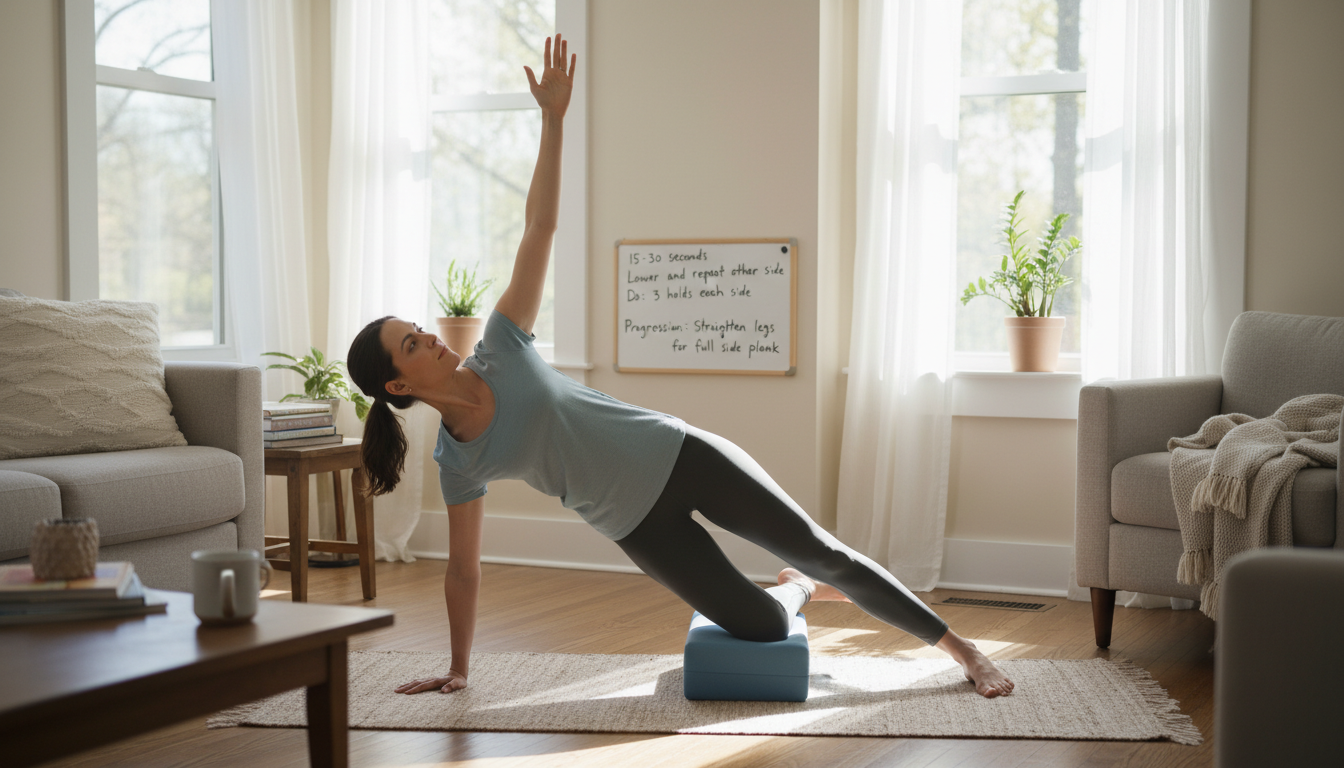
Purpose: Lateral stability, oblique strengthening
Progression: Straighten legs for full side plank.
Problem: Full spinal flexion under load
Modification: Bend knees, use hands to assist, or skip entirely for disc issues
Problem: Holding head up with extended leg increases disc pressure
Modification: Keep head down, one leg at a time, don’t fully extend leg
Problem: Advanced move—significant spinal flexion and hip flexor involvement
Modification: Skip until fully recovered or work with instructor on modified version
| Exercise | Reps/Duration | Focus |
|---|---|---|
| Breathing practice | 10 breaths | Centering |
| Pelvic tilts | 10 reps | Find neutral |
| Pelvic curl | 8 reps | Articulation |
| Single leg lift | 10 each | Stability |
| Supine spine twist | 6 each | Mobility |
| Swimming prep | 10 each | Back strength |
| Cat-cow | 10 cycles | Cool down |
| Exercise | Reps/Duration | Focus |
|---|---|---|
| Breathing + warm-up | 3 minutes | Centering |
| Pelvic curl | 10 reps | Articulation |
| Hundred (modified) | 50-100 pumps | Endurance |
| Dead bug | 10 each | Stability |
| Bird dog | 10 each | Stability |
| Side plank (modified) | 3 x 20 sec each | Lateral strength |
| Swimming | 10 each | Back strength |
| Spine stretch forward | 6 reps | Flexibility |
| Supine stretch series | 5 minutes | Cool down |
In-person advantages:
Online advantages:
Recommendation: Start with in-person or private sessions to learn form, then transition to online for maintenance.
Pilates can be safe and beneficial, but requires careful exercise selection. Avoid exercises with full spinal flexion (roll-ups, rolling like a ball) and extreme extension. Focus on neutral spine work, core stabilization, and exercises that don’t load the spine in vulnerable positions. Working with a knowledgeable instructor, preferably one with rehabilitation background, is strongly recommended.
For optimal results, aim for 2-4 sessions per week. Joseph Pilates himself recommended 3 times weekly. Consistency matters more than duration—shorter frequent sessions beat occasional long ones. Allow recovery days between sessions, especially when starting. Once proficient, daily practice of gentle exercises is fine.
Yes, once you’ve learned proper form. Start with classes or private sessions to establish technique, then transition to home practice. Use online videos from reputable instructors who emphasize modifications. Start with beginner-level content even if you’re otherwise fit. Have your form checked periodically to prevent bad habits.
Both can be effective; they’re different rather than better/worse. Pilates emphasizes core stability and controlled movement. Yoga emphasizes flexibility and relaxation. Pilates tends to be more systematic and exercise-focused; yoga often includes meditation and philosophy. Many people benefit from both. Choose based on what you enjoy and will actually do consistently.
Common causes: exercises too advanced for your level, poor form, too much too soon, or exercises inappropriate for your specific condition. Solutions: back off to beginner exercises, focus on perfect form, reduce intensity and duration, and avoid exercises that increase your symptoms. If pain persists, consult a healthcare provider and consider private instruction to address form issues.
Pilates offers powerful tools for back pain management:
Pilates was designed for back health. Used correctly, it builds the foundation your spine needs to stay strong and pain-free.
Support the Core You’re Building
Pilates strengthens your core. Our lumbar pillow supports it when you’re sitting—so hours at a desk don’t undo your hard work.
30-Day Money-Back Guarantee | 2-Year Warranty | Free Shipping
Your glutes have forgotten how to work. It sounds strange,
Your hip flexors are the hidden culprits of desk-job back
Your back is stiff, tight, and angry. And you’ve got
That nagging pain at the base of your spine—right where
Sitting with a herniated disc can feel like torture. Every
Your desk chair is failing you. Even if you paid
That deep ache in your buttock that won’t quit? The

You’ve blamed your chair for years. And you’re probably right—but
Your back is aching right now, isn’t it? That dull
Is your lower back screaming at you by 3 PM?