

Gluteal Amnesia and Back Pain
Your glutes have forgotten how to work. It sounds strange,

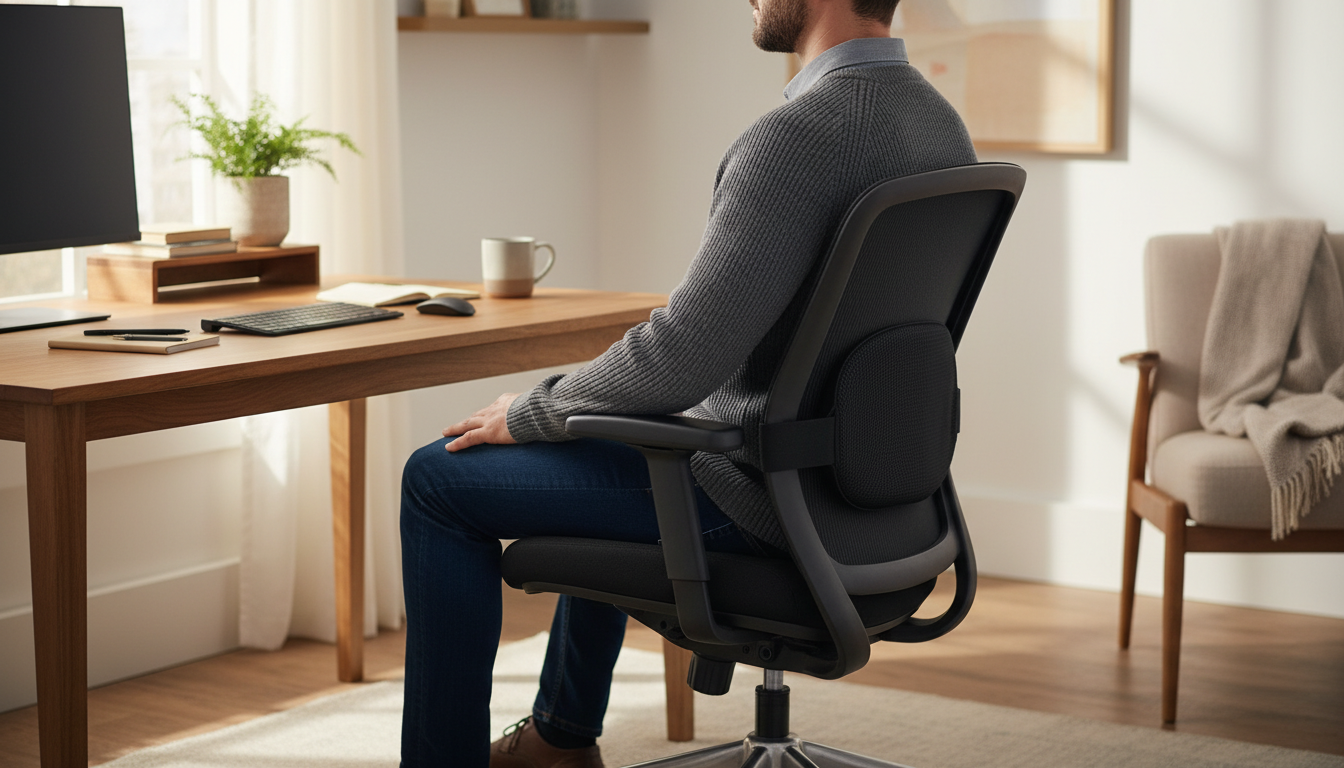
You don’t need to spend $1,500 on a Herman Miller to get quality ergonomic support. The $200-500 price range offers legitimate ergonomic chairs with meaningful adjustability and solid build quality. Understanding what features actually matter helps you find real value instead of overpaying for marketing or underspending on junk.
📋 Table of Contents
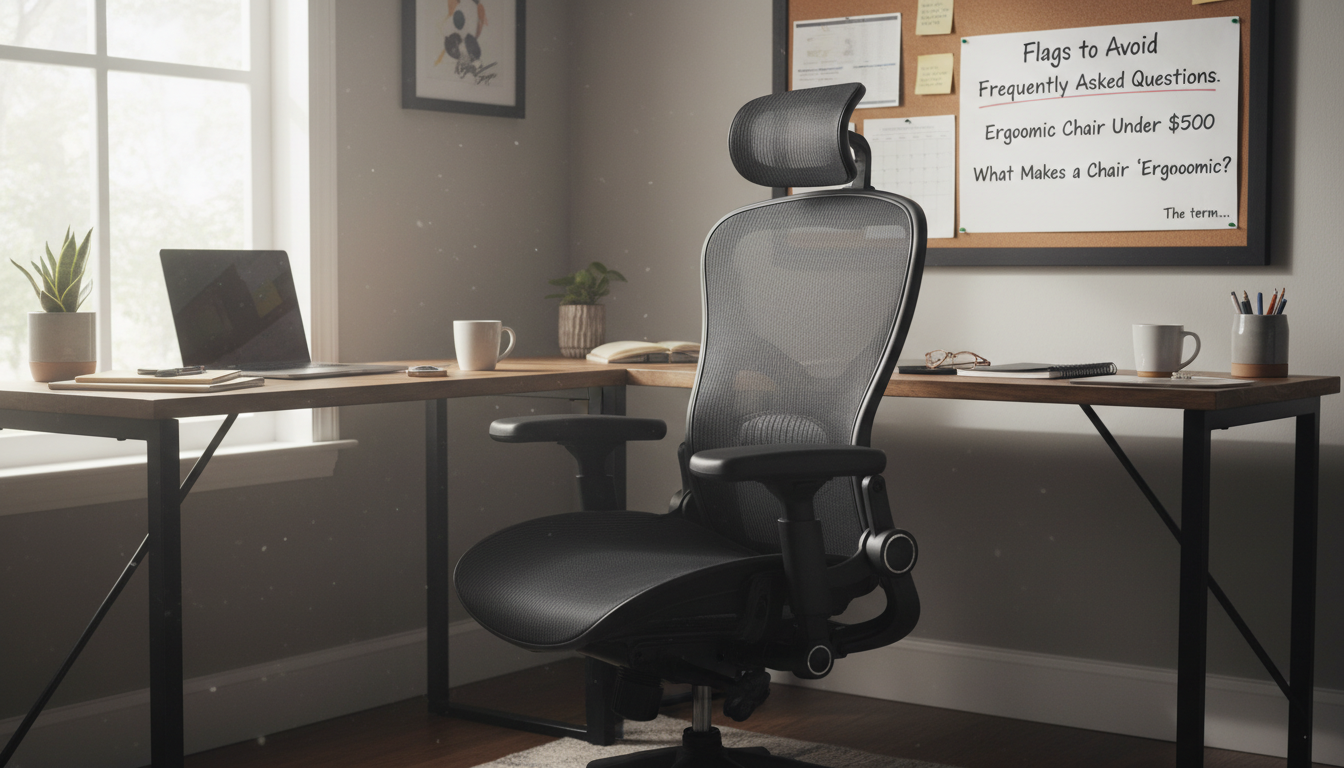
The term “ergonomic” is used loosely in marketing. True ergonomic chairs include these essential features:
| Price Range | Typical Features | Build Quality | Expected Lifespan |
|---|---|---|---|
| Under $150 | Basic height adjust, fixed armrests | Budget materials, limited warranty | 1-2 years |
| $150-300 | Height adjust, adjustable armrests, basic lumbar | Decent materials, 2-3 year warranty | 3-5 years |
| $300-500 | Full adjustability, quality lumbar, mesh/breathable | Quality materials, 5+ year warranty | 5-8 years |
| $500+ | Premium materials, extensive adjustability | Premium build, 10-12 year warranty | 10+ years |
This price range offers the best value for most home office workers. You get chairs with:
The jump from $500 to $1,000+ primarily buys you premium materials, brand reputation, longer warranties, and more refined adjustments—not fundamentally different ergonomic support.
The single most important feature for back pain prevention. Evaluate:
Most built-in lumbar systems in sub-$500 chairs offer limited adjustability. Even chairs with “adjustable lumbar” often only adjust height within a narrow range, with fixed (often inadequate) depth.
Solution: Budget for a quality external lumbar pillow that provides conforming, precisely-positioned support regardless of chair limitations.
Cheap foam compresses fully, leaving you sitting on the base. Look for chairs with high-density foam or mesh seats that maintain shape.
Fixed-position lumbar that doesn’t match your spine. Solution: Plan to supplement with an adjustable lumbar pillow.
Armrests that wobble, don’t lock, or break within months. Look for metal armrest frames, not all-plastic construction.
Seats designed for “average” body types. Measure your hips and compare to seat width specifications before buying.
Tilt that doesn’t hold position or has no tension adjustment. Test in-store if possible, or check reviews specifically mentioning tilt quality.

| Factor | Mesh | Padded/Fabric |
|---|---|---|
| Breathability | Excellent airflow | Can trap heat |
| Comfort Feel | Firmer, more suspended | Softer, cushioned |
| Durability | Maintains shape long-term | Foam can compress over time |
| Cleaning | Easy to clean, dries fast | Can stain, slow to dry |
| Support Feel | Consistent tension | Varies as foam wears |
For back pain: Mesh backs often provide more consistent support because they don’t deform over time like foam padding. However, mesh quality varies dramatically—cheap mesh can sag or lose tension just like cheap foam.
Warranty length often indicates build quality expectations:
In the under-$500 category, look for at least 3-year warranties. Chairs with 5-year warranties at this price point indicate better value.
Even the best $500 chair may not perfectly fit your body. Budget for these enhancements:
The most impactful addition. A quality memory foam lumbar pillow provides:
If the seat pan doesn’t fit your body or lacks sufficient padding:
If the chair doesn’t lower enough for your height:
Upgrade Your Chair’s Lumbar Support
Even quality ergonomic chairs benefit from dedicated lumbar support. Memory foam that conforms to your unique spine—not a generic built-in curve.
Works With Any Chair | 30-Day Guarantee | 2-Year Warranty
Budget allocation: $300-400 chair + $50-100 in accessories = $350-500 total
Buy a solid mid-range chair and enhance with lumbar pillow and seat cushion. This often provides better customized comfort than a more expensive chair alone.
Budget allocation: $200-400 for used $800-1,200 retail chair
Office liquidation and resale markets offer premium chairs at significant discounts. A 5-year-old Herman Miller or Steelcase still has years of life left and better construction than a new budget chair.
Budget allocation: $500 for best available new chair
If buying new is important to you, allocate full budget to chair and plan to add accessories later as needed.
Generally yes, but not always 2.5x better. The main differences are build quality (longevity), adjustability range, and materials. A $500 chair typically lasts 5-8 years vs. 2-3 for a $200 chair. It also offers more precise adjustments and better warranty coverage. Per-year cost often favors the more expensive option.
Testing in-store is ideal if possible. Sit for at least 15-20 minutes—initial comfort often differs from extended-use comfort. If buying online, prioritize retailers with generous return policies (30+ days) so you can properly test at home. Read reviews specifically from users with similar body types.
Not necessarily. Headrests are valuable if you recline frequently or have neck issues, but they don’t directly address lower back pain. Lumbar support and proper seat positioning matter more for back pain. A headrest is a nice-to-have, not a must-have for back health.
With daily use, expect 5-8 years for the chair itself. Some components (armrest pads, gas cylinder, casters) may need replacement before the frame fails. Quality chairs in this range often come with 5-year warranties covering major components.
Yes, within limits. A quality lumbar pillow can significantly improve support in chairs with inadequate built-in lumbar systems. However, it can’t fix fundamental issues like wrong seat height, poor seat pan design, or broken tilt mechanisms. Think of a lumbar pillow as enhancing a decent chair, not rescuing a bad one.
Your glutes have forgotten how to work. It sounds strange,

Your hip flexors are the hidden culprits of desk-job back
Your back is stiff, tight, and angry. And you’ve got

That nagging pain at the base of your spine—right where

Sitting with a herniated disc can feel like torture. Every
Your desk chair is failing you. Even if you paid

That deep ache in your buttock that won’t quit? The

You’ve blamed your chair for years. And you’re probably right—but

Your back is aching right now, isn’t it? That dull
Is your lower back screaming at you by 3 PM?