

Gluteal Amnesia and Back Pain
Your glutes have forgotten how to work. It sounds strange,

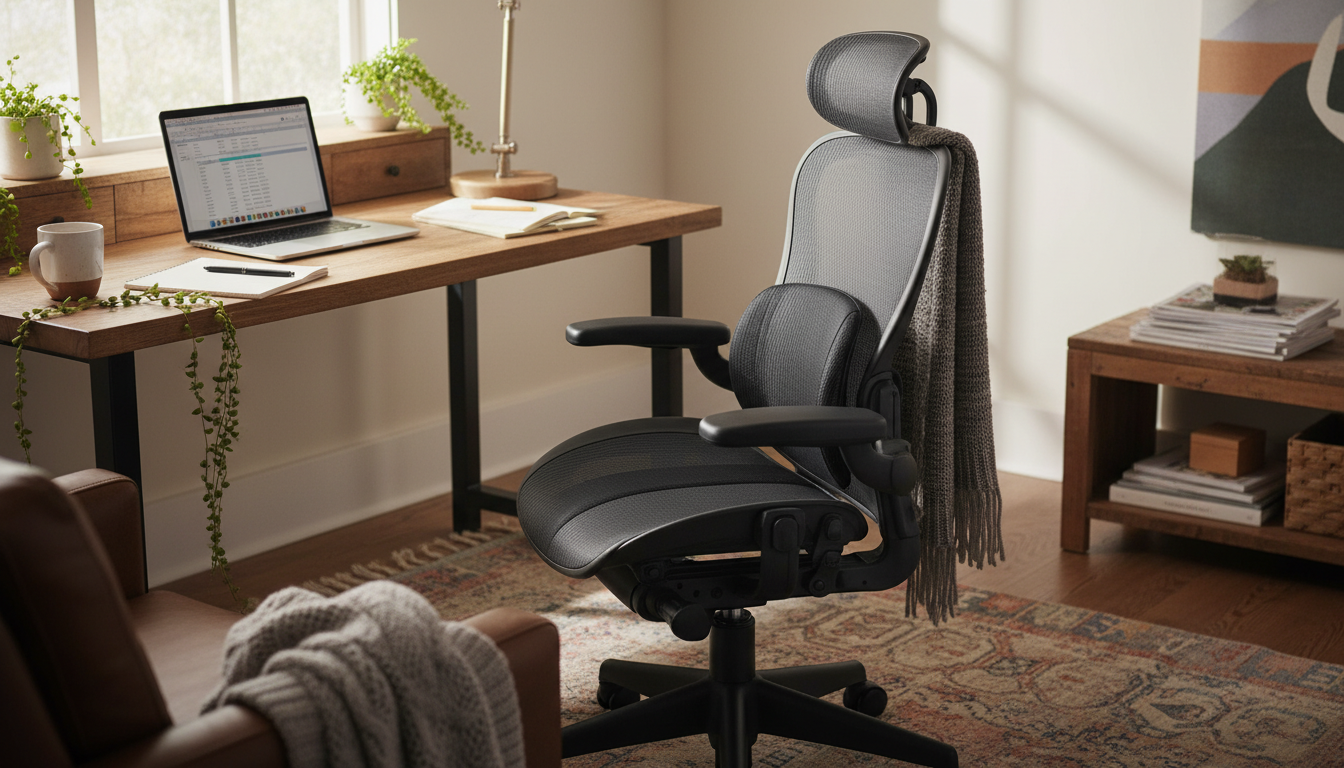
Your desk chair is failing you. Even if you paid good money for it, there’s a gap between your lower back and that backrest—and that gap is where back pain begins.
📋 Table of Contents
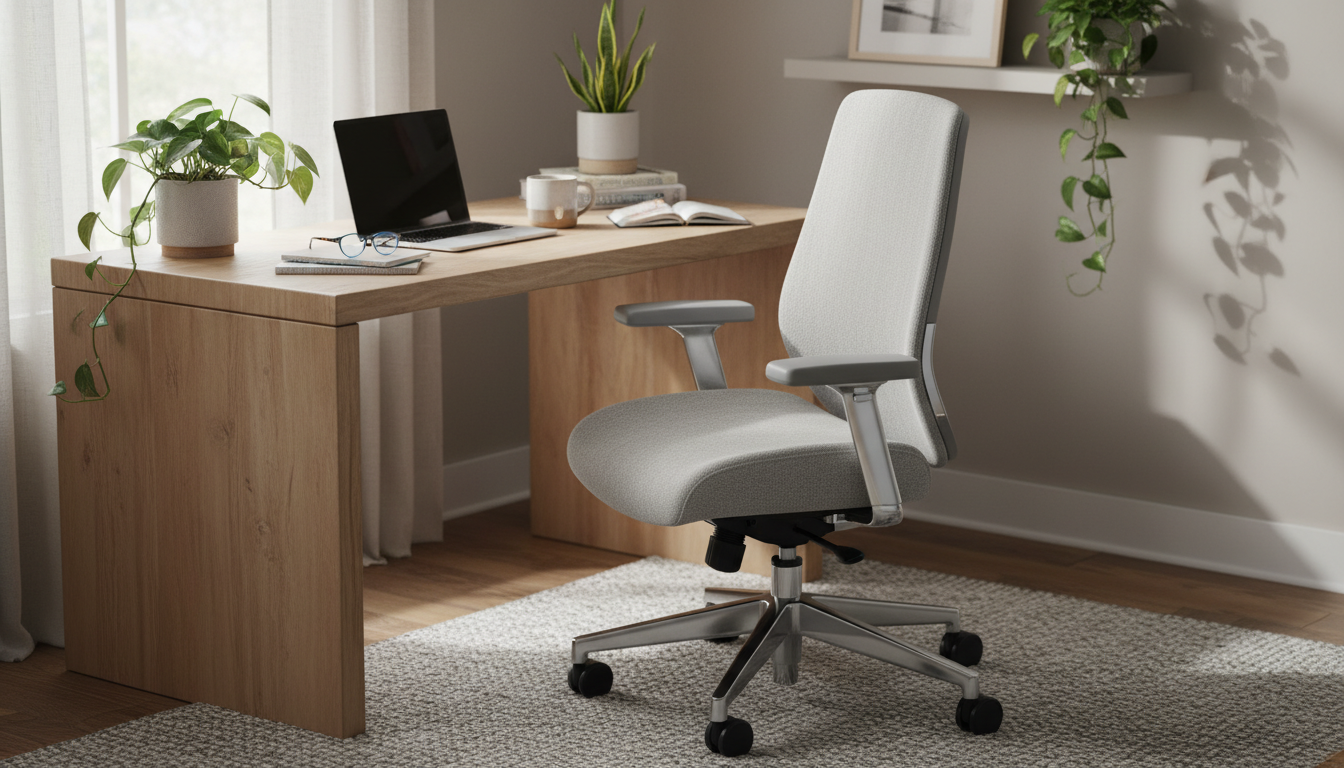
Most office chairs, even expensive “ergonomic” ones, don’t provide adequate lumbar support out of the box. The good news? You don’t need a new chair. Adding the right back support can transform any desk chair into spine-friendly seating.
This guide covers everything from simple lumbar pillows to full-back supports, helping you choose and position the right solution for your chair and your body.
When you sit, your spine naturally wants to maintain its S-curve—an inward curve at the lower back (lordosis) and outward curve at the upper back (kyphosis). But most chair backrests are flat or have minimal curves that don’t match human anatomy.
Result: You either flatten your lower back against the chair (bad for discs) or arch away from it (exhausting for muscles). Neither option works for 8 hours.
Designed specifically to support the lower back curve.
Pros:
Cons:
Best for: Most desk workers, especially those with lower back pain or discomfort.
Cover the entire backrest, providing support from lumbar to thoracic spine.
Pros:
Cons:
Best for: Those who need upper and lower back support, or have chairs with uncomfortable backrests.
Air-filled supports that let you adjust firmness by inflating or deflating.
Pros:
Cons:
Best for: Frequent travelers, those who prefer adjustable firmness.
Cylindrical supports that slot behind your lower back.
Pros:
Cons:
Best for: Minimalists, those with mild support needs, travel use.
| Type | Best For | Support Quality | Portability | Price Range |
|---|---|---|---|---|
| Memory Foam lumbar pillow | Most people | Excellent | Good | $30-60 |
| Full-Back Cushion | Complete back issues | Good | Poor | $50-100 |
| Inflatable Support | Travelers | Moderate | Excellent | $15-40 |
| Lumbar Roll | Minimalists | Moderate | Excellent | $15-35 |
The Back Support Most People Need
Our orthopedic lumbar pillow uses AirFlex™ memory foam to provide consistent, all-day support without flattening.
Fits Any Chair | 30-Day Trial | 2-Year Warranty
Quality lumbar support doesn’t require a huge investment, but avoid the cheapest options:
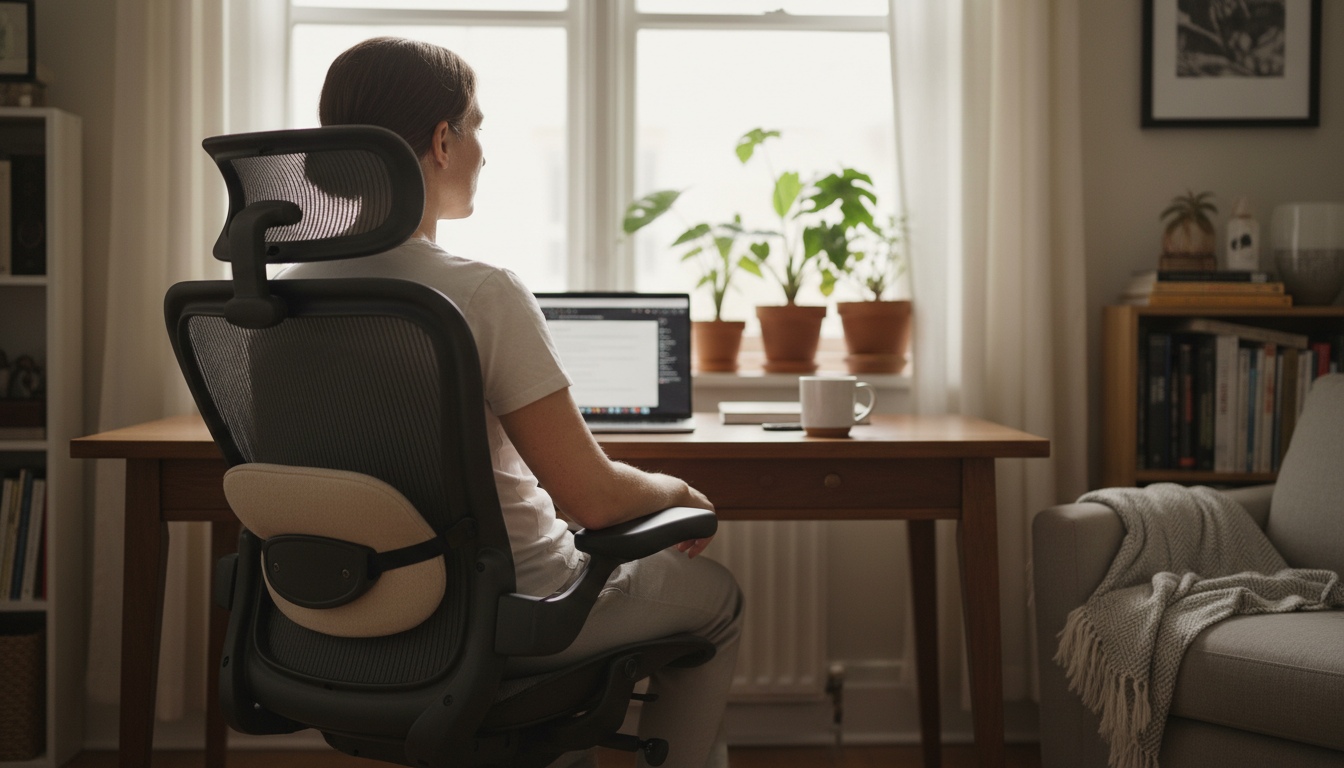
Your lumbar support should sit at the natural curve of your lower back—typically between L3 and L5 vertebrae. Here’s how to find it:
Back support works best when your chair is properly adjusted:
Even perfect support doesn’t eliminate the need for movement:
For most people, a quality memory foam lumbar pillow provides the best combination of targeted support, comfort, and value. Look for high-density foam, ergonomic contour, adjustable straps, and a breathable cover. Full-back supports work better for those who need upper back support as well.
Yes, when properly positioned. Quality lumbar support maintains your spine’s natural curve, reducing disc pressure and muscle strain. Studies show proper lumbar support can reduce back muscle activity by 20-50%, letting your spine relax into good alignment rather than working to maintain it.
Memory foam provides better conforming support and maintains its shape longer. Mesh is more breathable but often uses internal plastic or foam structures that don’t conform as well. For lumbar support specifically, memory foam is generally superior for support quality.
If you experience lower back pain or stiffness after sitting, if you catch yourself slouching, or if there’s a noticeable gap between your lower back and chair backrest when sitting properly—you likely need lumbar support. Most people benefit from it, even without current pain.
A regular pillow is better than nothing, but it’s not ideal. Bed pillows are too soft, flatten quickly, and aren’t designed for lumbar curves. A dedicated lumbar support with memory foam and ergonomic contouring provides significantly better, more consistent support.
Quality memory foam lumbar pillows last 2-3 years with daily use. Cheaper foam may flatten within months. Signs it’s time to replace: the pillow doesn’t return to shape after compression, you notice increased back discomfort, or the foam feels noticeably softer than when new.
Adding back support to your desk chair is one of the most effective, affordable ways to reduce sitting-related back pain. For most people, a quality memory foam lumbar pillow provides the best results.
When choosing back support:
Give Your Back the Support It Deserves
Our ergonomic lumbar pillow fills the gap your chair doesn’t—with AirFlex™ memory foam that maintains its shape all day, every day.
30-Day Money-Back Guarantee | 2-Year Warranty | Free Shipping
Your glutes have forgotten how to work. It sounds strange,
Your hip flexors are the hidden culprits of desk-job back
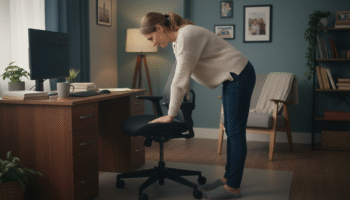
Your back is stiff, tight, and angry. And you’ve got

That nagging pain at the base of your spine—right where
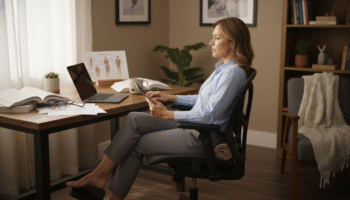
Sitting with a herniated disc can feel like torture. Every

That deep ache in your buttock that won’t quit? The

You’ve blamed your chair for years. And you’re probably right—but

Your back is aching right now, isn’t it? That dull
Is your lower back screaming at you by 3 PM?
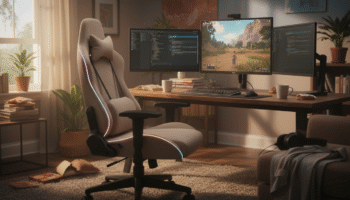
Most lumbar pillows end up in closets within weeks. Not