
Gluteal Amnesia and Back Pain
Your glutes have forgotten how to work. It sounds strange,
You’ve seen the ads. Magnetic bracelets. Copper-infused shirts. “Revolutionary” gadgets promising instant back pain relief.
📋 Table of Contents
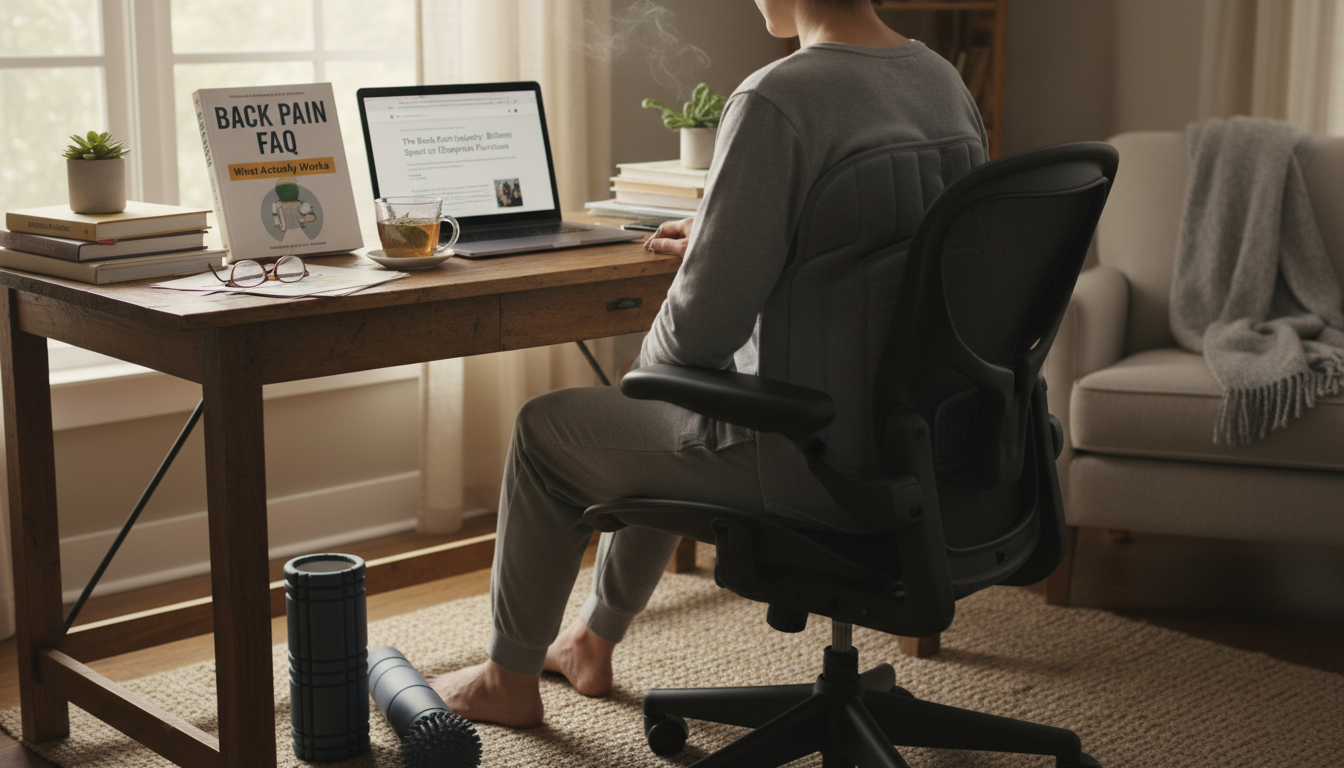
The back pain industry is worth billions—and most of it is built on desperate people buying products that don’t work. We’ve tested, researched, and cut through the marketing to find what actually provides relief.
This guide separates the evidence-based products from the expensive placebos. Some answers might surprise you.
Here’s the uncomfortable truth: most back pain products don’t have strong scientific evidence supporting their effectiveness. Marketing budgets don’t equal effectiveness.
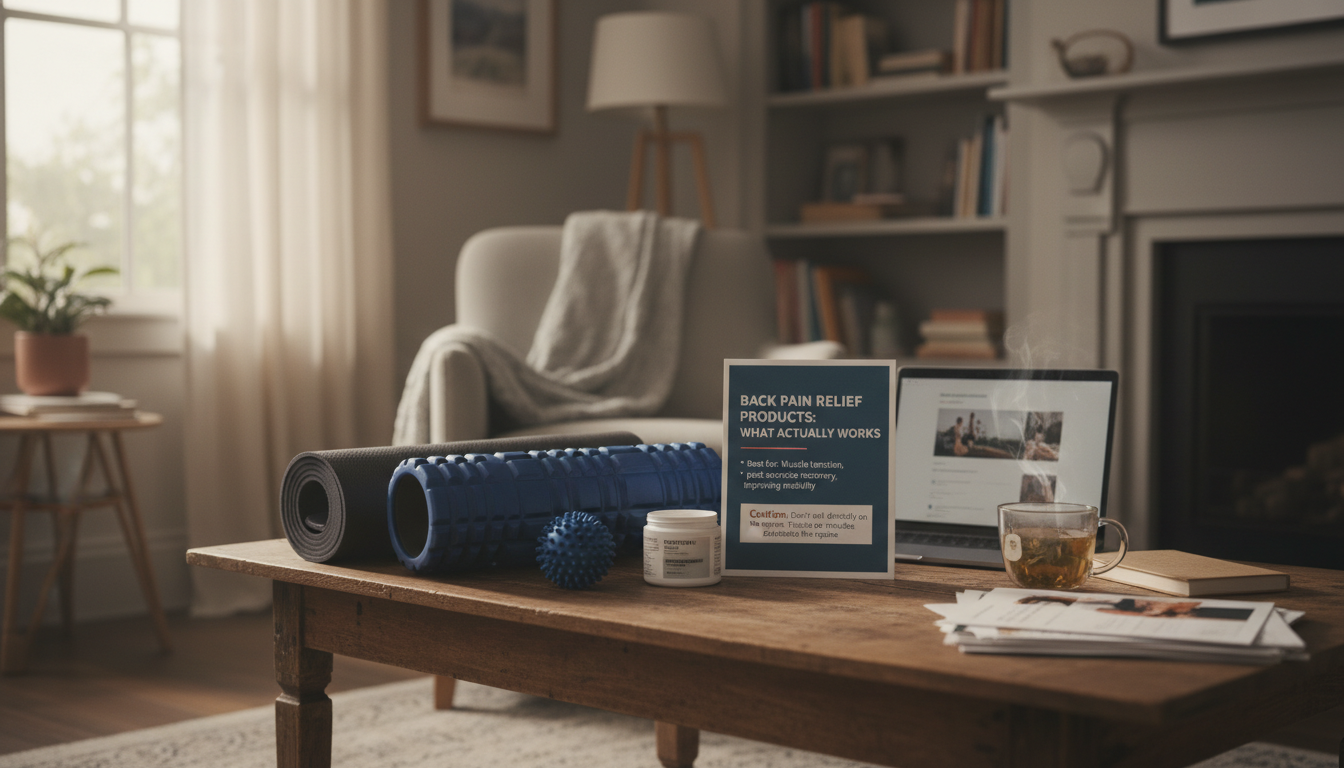
Products with strong evidence:
Products with weak or no evidence:
For each product category, we consider:
Evidence level: Strong
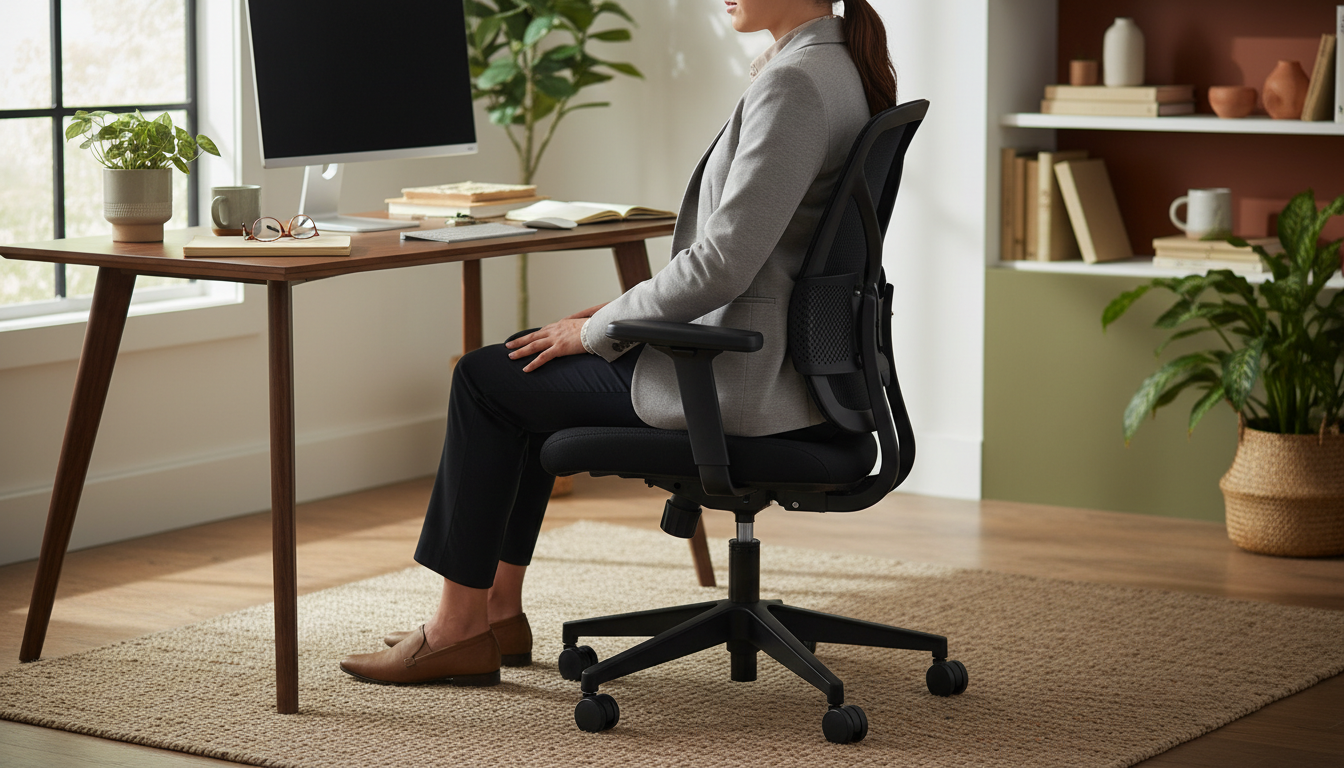
Lumbar support pillows have the most straightforward mechanism of any back pain product: they fill the gap between your lower back and the chair, maintaining your spine’s natural curve.
Why they work:
Clinical support: Multiple studies show that lumbar support reduces back pain in office workers and drivers. A 2018 review found that proper lumbar support significantly reduces disc pressure compared to unsupported sitting.
Best for: Prevention, chronic lower back pain, anyone who sits 4+ hours daily
Cost range: $30-80 for quality options
Our recommendation: The LumbarPillow Orthopedic uses high-density AirFlex™ memory foam that maintains support without flattening. It’s the product we’d recommend first for most people with sitting-related back pain—effective, affordable, and backed by a 30-day money-back guarantee.
Evidence level: Strong
Heat therapy is one of the oldest and most effective treatments for back pain, especially for muscle-related issues.
How it works:
Best products:
Best for: Muscle tension, spasms, stiffness, chronic aches
Caution: Don’t use heat on acute injuries (first 48-72 hours) or over areas with reduced sensation. Heat therapy treats symptoms—it doesn’t address underlying causes like poor posture.
Evidence level: Moderate to Strong
Cold therapy is most effective for acute injuries and inflammation.
How it works:
Best products:
Best for: Acute injuries, flare-ups, inflammation, after exercise
Usage: 15-20 minutes at a time, with a barrier between ice and skin
Evidence level: Moderate
Transcutaneous Electrical Nerve Stimulation (TENS) units deliver low-voltage electrical currents through the skin.
How it works:
Product options:
Best for: Temporary pain relief, muscle soreness, those who respond well to electrical stimulation
Reality check: TENS provides relief while using it, but effects don’t typically last long after. It’s a symptom manager, not a treatment for underlying causes.
Evidence level: Strong (for prevention)
Proper ergonomic equipment prevents back pain by reducing strain during daily activities.
Key products:
Adjustable desk chairs ($200-800):
Standing desk converters ($150-400):
Monitor stands/arms ($20-150):
Best for: Prevention, improving overall workspace ergonomics
Evidence level: Moderate
Self-massage tools can help release muscle tension and improve mobility.
How they work:
Recommended tools:
Best for: Muscle tension, post-exercise recovery, improving mobility
Caution: Don’t roll directly on the spine. Focus on muscles alongside the spine.
The claim: Wear them to train your body into better posture.
The reality: They provide physical feedback when you slouch, but they don’t build strength. Many people develop worse posture without them because their muscles never learned to support themselves.
Our verdict: May help as short-term awareness tools, but not a long-term solution. Better to strengthen muscles and use passive support like lumbar pillows.
The claim: Magnets increase blood flow and promote healing.
The reality: Multiple systematic reviews have found no evidence that magnetic therapy works for back pain. The magnets used in consumer products are too weak to penetrate deep tissues.
Our verdict: Save your money. There’s no scientific basis for these claims.
The claim: Copper promotes healing and reduces inflammation.
The reality: While copper has some antibacterial properties, there’s no evidence it provides pain relief when incorporated into clothing or braces. The copper can’t penetrate your skin in meaningful amounts.
Our verdict: Marketing over science. Skip these.
The claim: Hanging upside down decompresses your spine and relieves back pain.
The reality: Some people find temporary relief, but the effects don’t last. Studies show mixed results at best. There are also risks—increased blood pressure, eye pressure, and potential for falls.
Our verdict: May provide temporary relief for some, but risky for people with certain conditions. Not recommended as a first-line treatment.
The claim: Budget products labeled “orthopedic” for marketing purposes.
The reality: “Orthopedic” isn’t a regulated term for consumer products. Anyone can use it. Cheap memory foam flattens quickly and provides inadequate support.
Our verdict: Look for specific features (foam density, warranty length) rather than marketing terms.
Here’s how popular products stack up:
| Product | Cost | Evidence | Long-term Value |
|---|---|---|---|
| lumbar pillow | $30-80 | Strong | Excellent |
| Heat Therapy | $15-50 | Strong | Good |
| TENS Unit | $30-150 | Moderate | Moderate |
| Ergonomic Chair | $200-800 | Strong | Good |
| Magnetic Products | $20-100 | None | None |
| Inversion Table | $150-400 | Mixed | Low |
If you’re going to invest in one back pain relief product, start with a quality lumbar support pillow.
Why lumbar support first:
Heat therapy is a good second purchase for flare-ups and muscle tension. Beyond that, invest in improving your overall workspace ergonomics.
For immediate relief: heat therapy for muscle pain, ice for acute injuries, and over-the-counter anti-inflammatories if appropriate for you. But these are temporary measures. For lasting relief, you need to address the cause—usually poor posture and inadequate support during sitting.
Not necessarily. Price often reflects marketing budgets rather than effectiveness. What matters is: evidence for the mechanism of action, quality of materials (for things like foam density), and whether it addresses your specific issue. A $50 lumbar pillow with quality foam is better than a $500 copper-infused chair.
No. Start with one product that addresses your primary issue. For most people with sitting-related back pain, that’s lumbar support. Add other products (heat therapy, ergonomic improvements) as needed based on your specific symptoms.
Lumbar support: Many people notice improvement within days of consistent use. Heat therapy: Provides temporary relief during and shortly after use. Ergonomic changes: May take 2-4 weeks to notice significant improvement as your body adjusts.
See a doctor if you have: severe or worsening pain, pain that radiates down your leg, numbness or weakness, pain from an injury, or pain that doesn’t improve with self-care after 2-4 weeks. For general sitting-related discomfort, trying evidence-based products like lumbar support is a reasonable first step.
Start with what works.
Skip the gimmicks. Our orthopedic lumbar pillow uses high-density AirFlex™ memory foam to provide the support your spine actually needs—no magnets, no copper, no pseudoscience. Just proven ergonomic support.
30-Day Money-Back Guarantee | 2-Year Warranty | Free Shipping
Your glutes have forgotten how to work. It sounds strange,
Your hip flexors are the hidden culprits of desk-job back
Your back is stiff, tight, and angry. And you’ve got

That nagging pain at the base of your spine—right where
Sitting with a herniated disc can feel like torture. Every
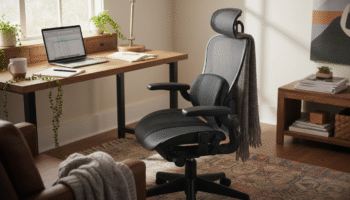
Your desk chair is failing you. Even if you paid
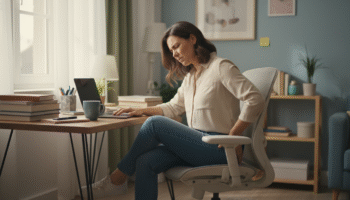
That deep ache in your buttock that won’t quit? The

You’ve blamed your chair for years. And you’re probably right—but
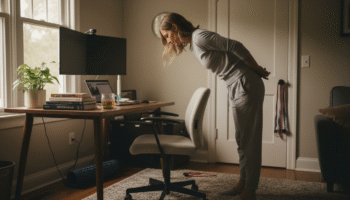
Your back is aching right now, isn’t it? That dull
Is your lower back screaming at you by 3 PM?