
Gluteal Amnesia and Back Pain
Your glutes have forgotten how to work. It sounds strange,
Back pain isn’t one-size-fits-all. Where you feel pain tells a story about what’s causing it. Use our interactive body map to click exactly where it hurts—and discover the likely causes, best treatments, and whether lumbar support could be your solution.
📋 Table of Contents
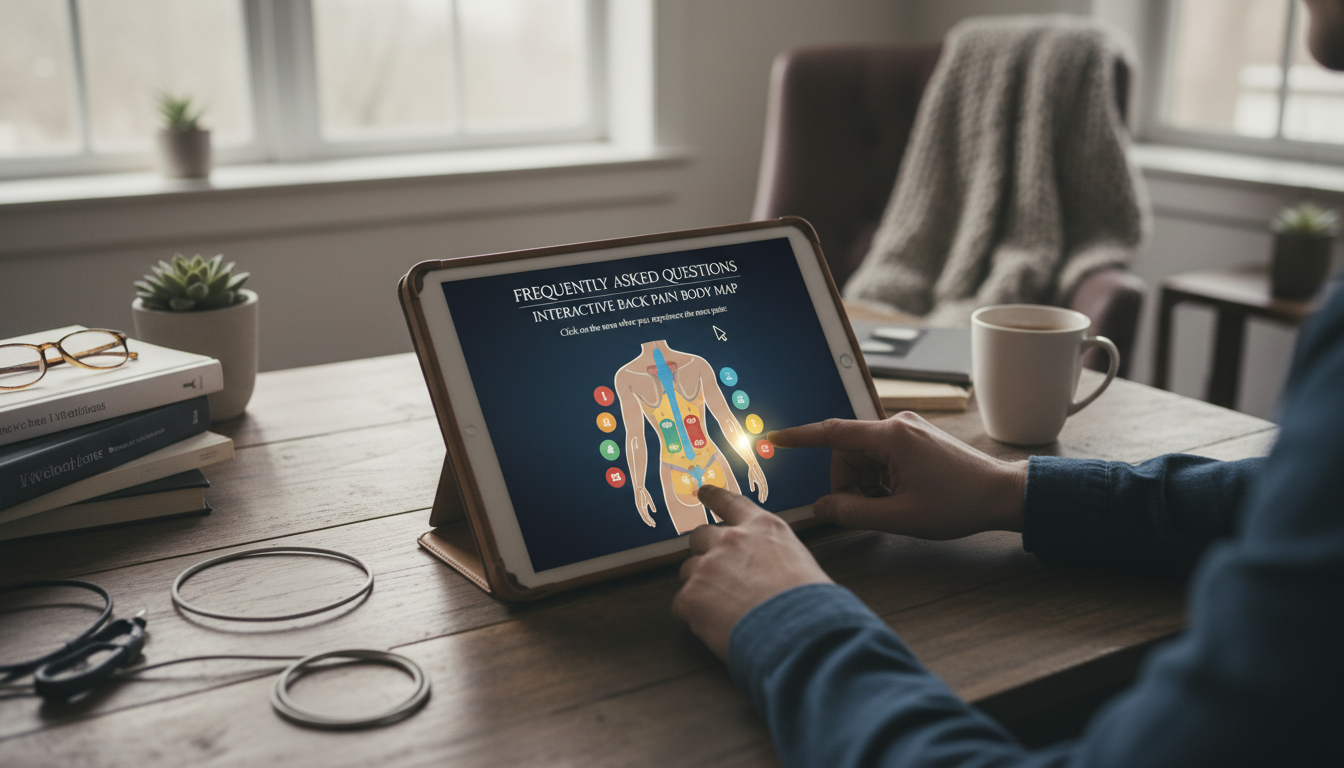
Click on the area where you experience the most pain:
Click a highlighted area
Click on the body map to see detailed information about your pain, likely causes, and recommended solutions.
The location of your back pain provides crucial clues about its cause. Here's what the research tells us about pain patterns:
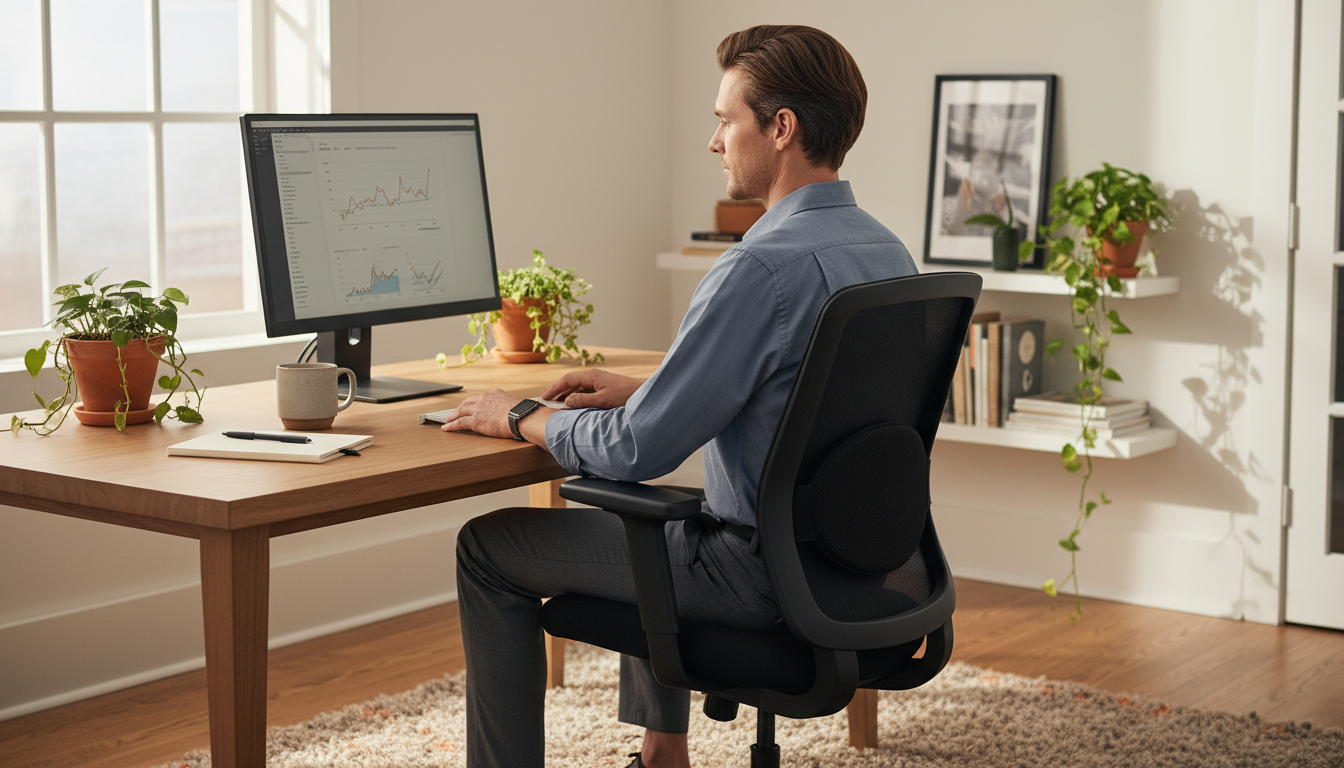
The lumbar spine bears the majority of your body weight while sitting. Without proper support:
Pain between the shoulder blades typically indicates:
Pain that travels down the leg usually originates in the lower back:
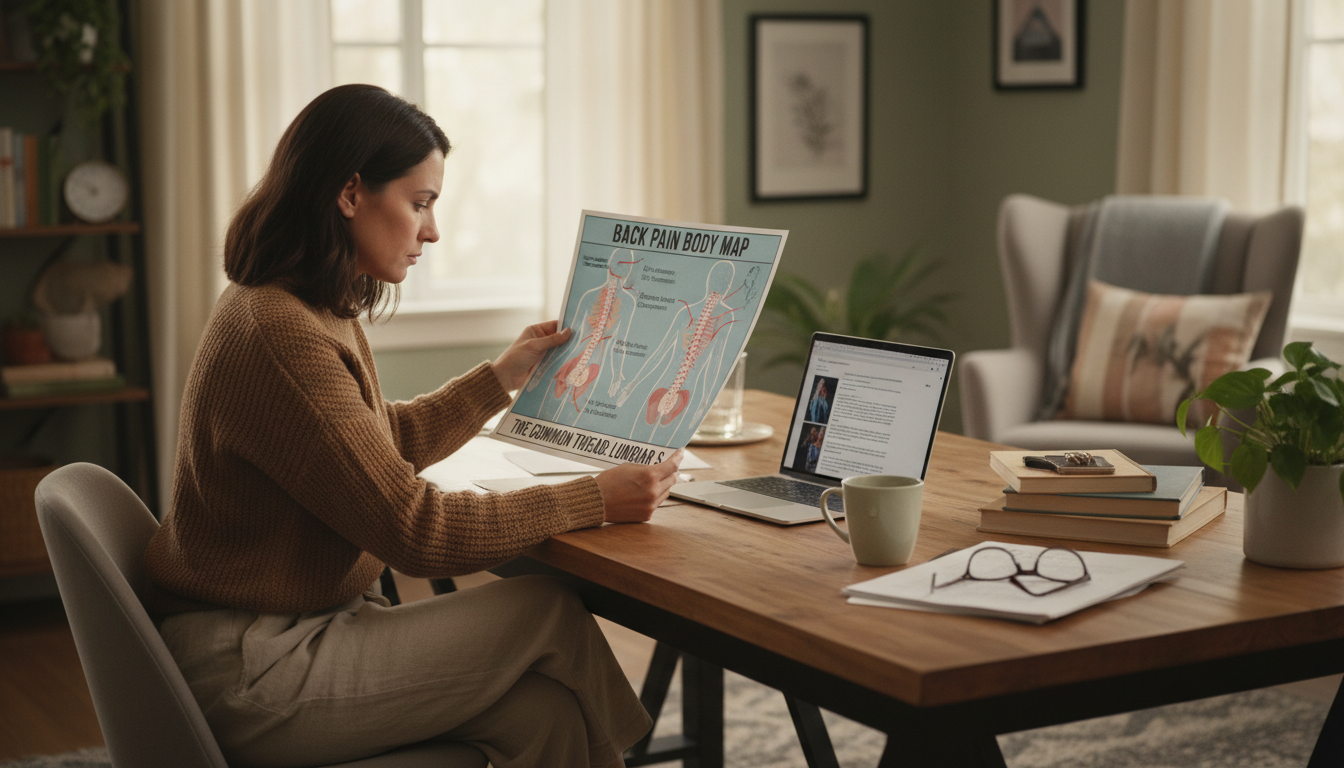
Notice a pattern? Nearly every type of back pain connects back to the lumbar spine. Whether you clicked on your neck, upper back, lower back, or legs, inadequate lumbar support plays a role.
Your spine works as a unit. When the lumbar curve is properly supported:
Address the Source of Your Pain
Our orthopedic lumbar pillow maintains your spine's natural curve, reducing pressure and pain from neck to legs.
30-Day Pain Relief Guarantee | Free Returns
Pain that shifts locations often indicates postural compensation. When one area is stressed, surrounding muscles tighten to protect it, creating pain in new areas. Addressing the root cause (usually lumbar support and posture) helps resolve migrating pain.
Yes. Prolonged sitting affects the entire spine. Poor sitting posture stresses the lumbar region directly, which then causes compensatory strain in the upper back and neck. Even leg pain often originates from sitting-related lumbar compression of nerves.
Seek medical attention if you experience: pain after trauma, numbness or weakness in legs, loss of bladder/bowel control, unexplained weight loss, or pain that worsens despite rest. Mild to moderate pain that improves with movement and posture changes can often be managed with ergonomic improvements.
Many people notice improvement within days of using proper lumbar support. However, if your back has been stressed for months or years, full recovery takes time. Consistent use of lumbar support, combined with movement and stretching, produces the best results.
Severe pain requires professional evaluation. While ergonomic improvements help prevent and manage mild-moderate pain, severe or worsening symptoms should be assessed by a healthcare provider to rule out conditions requiring medical treatment.
Your glutes have forgotten how to work. It sounds strange,
Your hip flexors are the hidden culprits of desk-job back
Your back is stiff, tight, and angry. And you’ve got

That nagging pain at the base of your spine—right where
Sitting with a herniated disc can feel like torture. Every
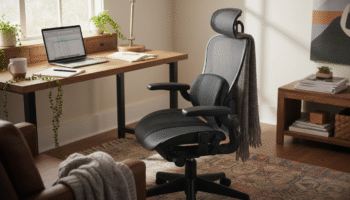
Your desk chair is failing you. Even if you paid
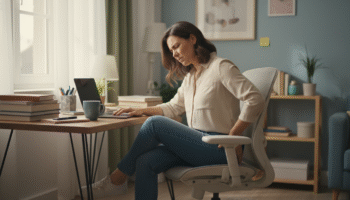
That deep ache in your buttock that won’t quit? The

You’ve blamed your chair for years. And you’re probably right—but
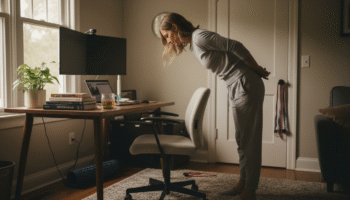
Your back is aching right now, isn’t it? That dull
Is your lower back screaming at you by 3 PM?