
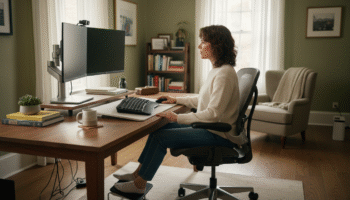
Gluteal Amnesia and Back Pain
Your glutes have forgotten how to work. It sounds strange,


That shooting pain down your leg could be sciatica—or something else entirely. Before you spiral into WebMD anxiety, take this 2-minute self-assessment quiz. Answer honestly based on your current symptoms, and get personalized insights about what might be causing your discomfort and what steps to take next.
📋 Table of Contents
This quiz is for educational purposes only and does not replace professional medical diagnosis. If you’re experiencing severe pain, numbness, or loss of bladder/bowel control, seek immediate medical attention.
The quiz evaluates your symptoms across three common conditions that cause similar-seeming pain:
Sciatica occurs when the sciatic nerve—the longest nerve in your body, running from your lower back through your buttocks and down each leg—becomes compressed or irritated. Common causes include:
Often called "pseudo-sciatica," piriformis syndrome occurs when the piriformis muscle in your buttock tightens or spasms, irritating the sciatic nerve. It's particularly common in people who:
Simple muscle strain or tension can mimic some sciatic symptoms but typically:
| Symptom | True Sciatica | Piriformis | Muscular |
|---|---|---|---|
| Pain radiates past knee | Very common | Sometimes | Rare |
| Numbness/tingling in foot | Common | Rare | No |
| Worse with coughing/sneezing | Yes | No | Sometimes |
| Deep buttock pain | Sometimes | Yes | Sometimes |
| Worse with prolonged sitting | Yes | Yes | Sometimes |
| Leg weakness | Possible | Rare | No |

Seek immediate medical care if you experience:
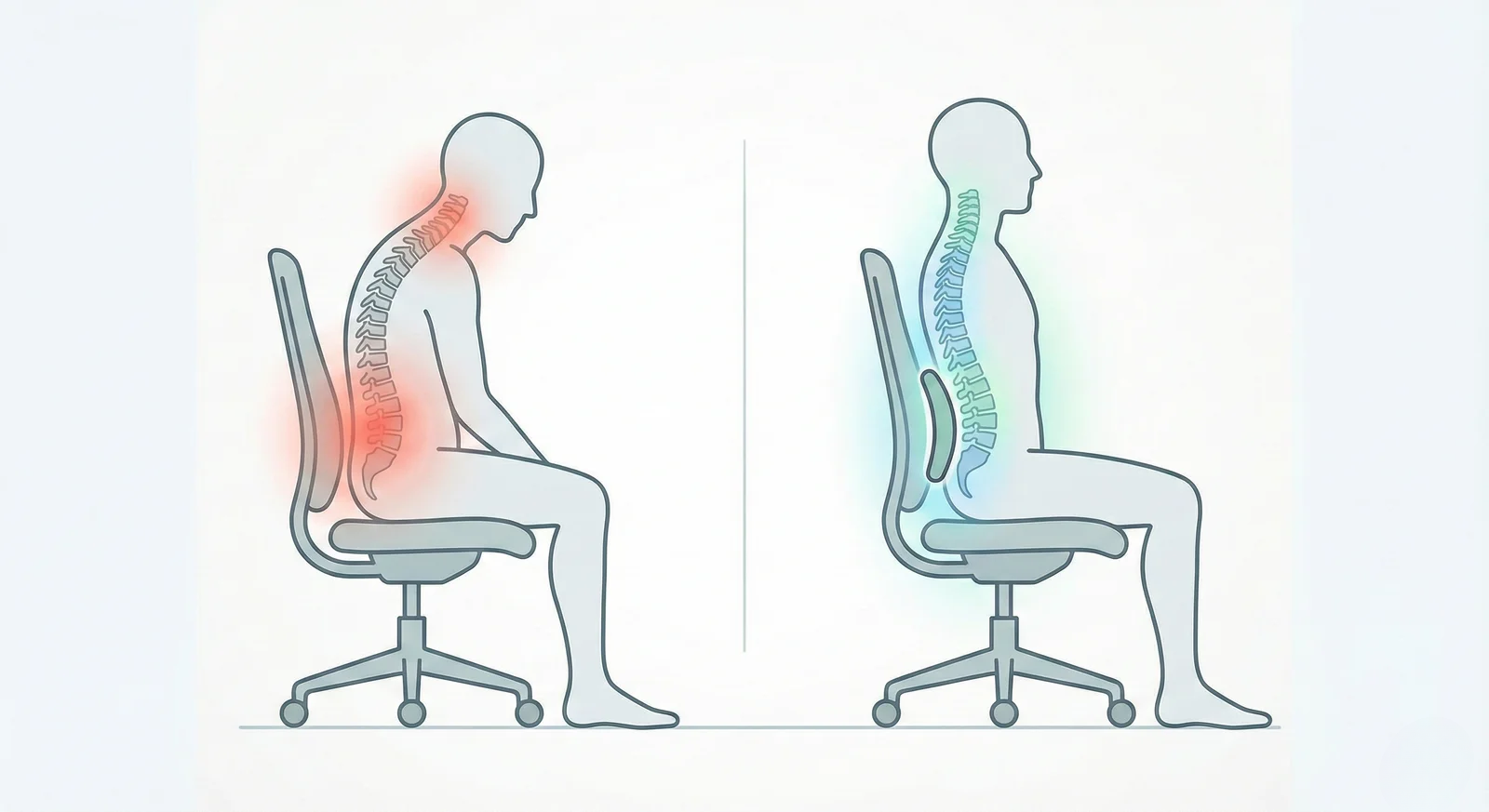
Whether your quiz results point to true sciatica, piriformis syndrome, or muscular strain, prolonged sitting likely plays a role. Here's why:
Support Your Spine While Sitting
Proper lumbar support is essential for managing sciatic symptoms. Our ergonomic pillow maintains your spine's natural curve, reducing pressure on the sciatic nerve.
Recommended for sciatica relief | 30-Day Guarantee
This quiz is a screening tool, not a diagnostic test. It helps you understand which condition your symptoms most closely resemble based on common patterns. However, only a healthcare provider can properly diagnose sciatica through physical examination and, if needed, imaging studies. Use these results as information to discuss with your doctor.
Yes, in many cases. About 80-90% of sciatica cases resolve within 6-12 weeks with conservative treatment (rest, stretching, over-the-counter pain relief, proper posture). However, if symptoms persist, worsen, or include red flag signs like weakness or bladder changes, medical evaluation is essential.
The key differentiators are: true sciatica typically radiates past the knee, causes numbness or tingling in the foot, and worsens with coughing or sneezing. Muscular pain usually stays in the lower back, doesn't cause neurological symptoms like numbness, and often improves within 2-4 weeks.
Sitting doesn't directly cause sciatica but can aggravate existing conditions. Prolonged sitting increases disc pressure, compresses the piriformis muscle, and promotes poor posture—all of which can irritate the sciatic nerve. Proper ergonomics and regular movement breaks are essential for prevention and management.
Most people with sciatica find relief sleeping on their side with a pillow between their knees to keep the spine aligned. Alternatively, sleeping on your back with a pillow under your knees can reduce pressure on the lower back. Avoid sleeping on your stomach, which can twist the spine.
Your glutes have forgotten how to work. It sounds strange,
Your hip flexors are the hidden culprits of desk-job back
Your back is stiff, tight, and angry. And you’ve got

That nagging pain at the base of your spine—right where
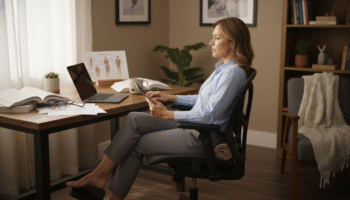
Sitting with a herniated disc can feel like torture. Every
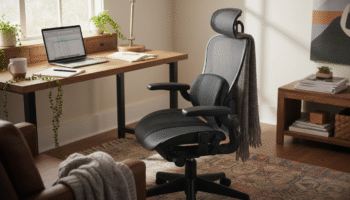
Your desk chair is failing you. Even if you paid

That deep ache in your buttock that won’t quit? The

You’ve blamed your chair for years. And you’re probably right—but
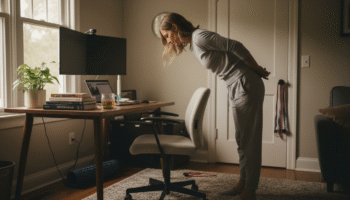
Your back is aching right now, isn’t it? That dull
Is your lower back screaming at you by 3 PM?