

Gluteal Amnesia and Back Pain
Your glutes have forgotten how to work. It sounds strange,

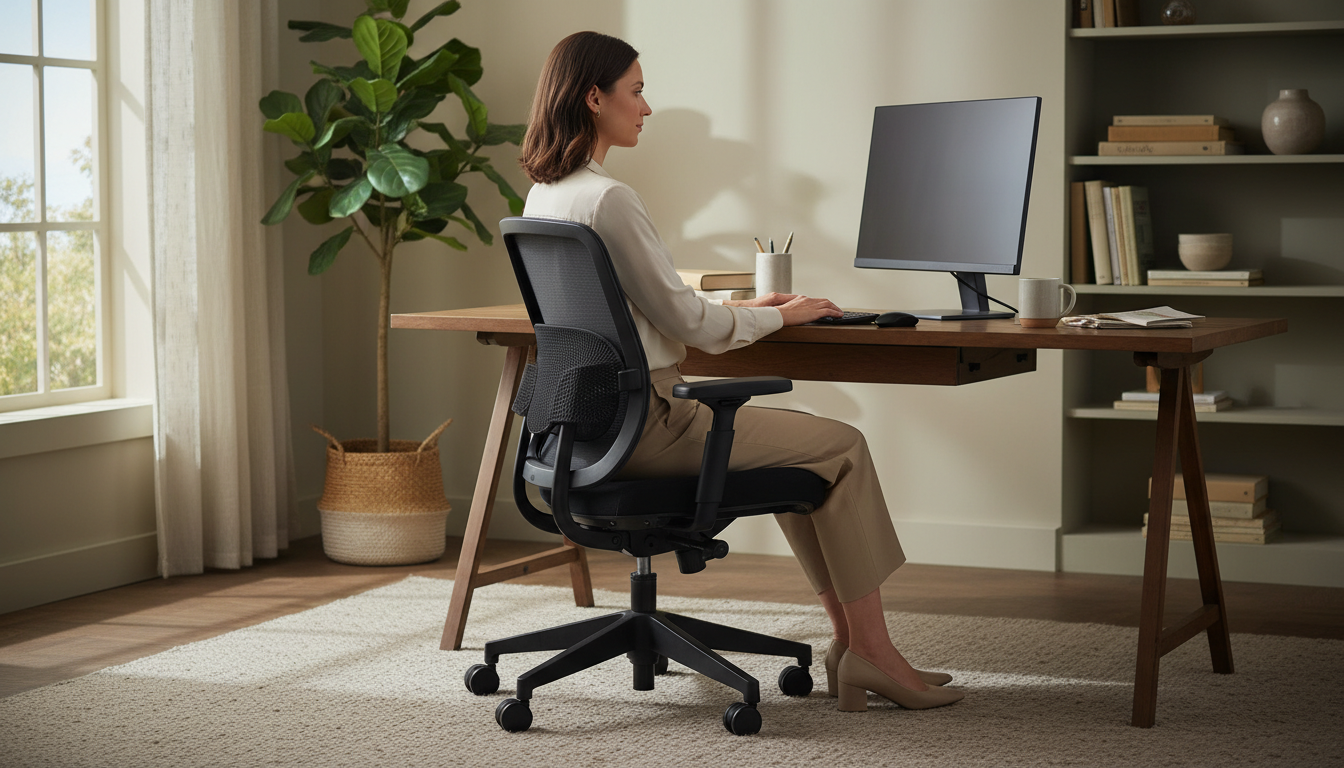
A strong lower back doesn’t mean what most people think it means. When people talk about “strengthening their lower back,” they often picture doing back extensions or other exercises that isolate back muscles. But true lower back strength comes from training the entire system that supports your spine—core, glutes, hips, and yes, the back muscles themselves.
📋 Table of Contents
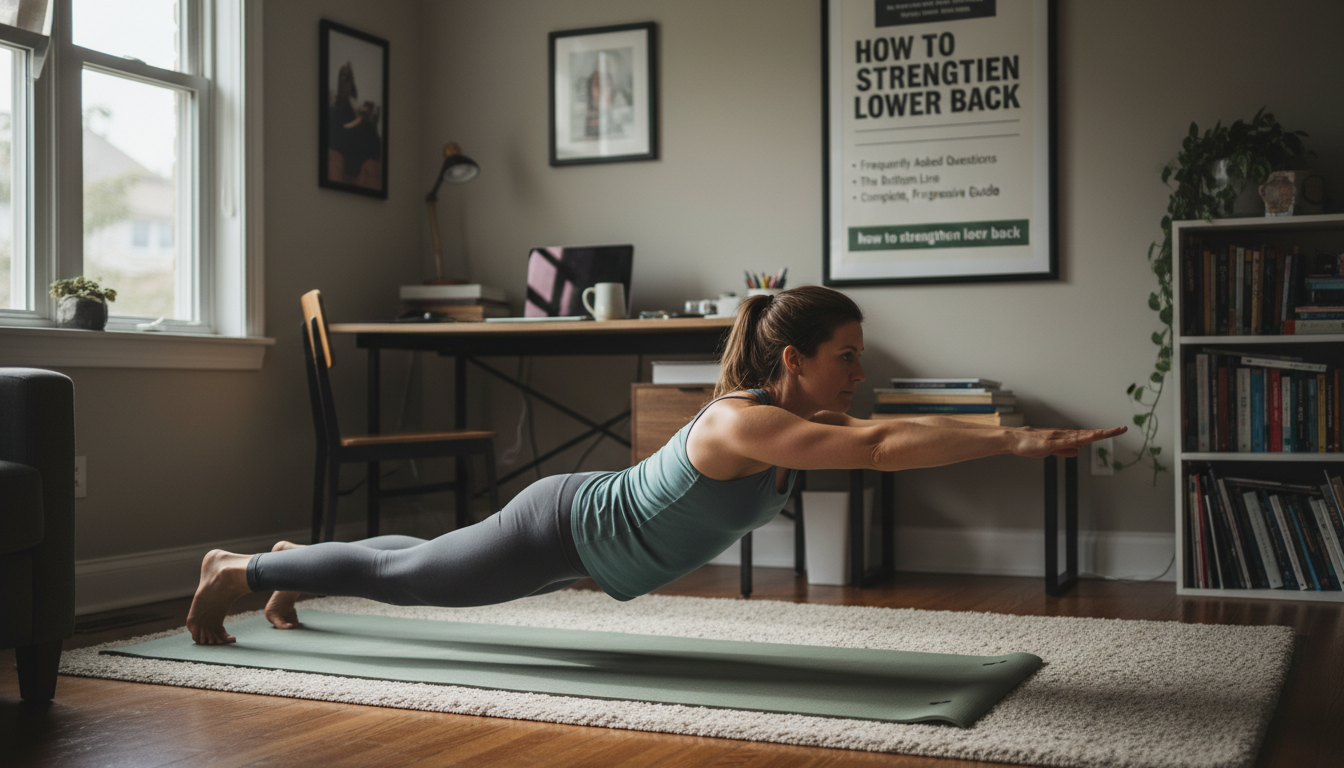
This guide provides a complete, progressive program for building real lower back strength—the kind that reduces pain, improves function, and protects your spine for years to come.
Your lower back is supported by multiple muscle groups working together:
Traditional “back exercises” like hyperextensions only train part of the system:
What you actually need:
Strong backs can still hurt. Strength alone doesn’t prevent back pain—you also need flexibility, good movement patterns, and external support during sustained positions like sitting. Building strength is crucial, but it’s part of a complete approach, not a cure-all.
Build the base with stability and motor control:
Purpose: Core stability with limb movement
Week 1-2: 2 sets of 8 each side
Week 3-4: 3 sets of 10 each side
Purpose: Anti-rotation stability, multifidus activation
Week 1-2: 2 sets of 8 each side
Week 3-4: 3 sets of 10 each side, hold 10 seconds
Purpose: Glute activation, hip extension
Week 1-2: 2 sets of 12
Week 3-4: 3 sets of 15 with 5-second holds
Purpose: Full-core stability and endurance
Week 1-2: 2 sets of 20 seconds
Week 3-4: 3 sets of 30 seconds
Purpose: Lateral stability, oblique strengthening
Week 1-2: 2 sets of 15 seconds each side
Week 3-4: 3 sets of 20 seconds each side
Build Strength, Protect Progress
Exercises build your back. Our lumbar pillow protects it during sitting hours so you don’t undo your hard work.
Get Strength-Protecting Support →
Exercise + Support | 30-Day Trial | 2-Year Warranty
Progress to more challenging exercises:
Purpose: Unilateral glute strength, pelvic stability
Weeks 5-6: 2 sets of 8 each side
Weeks 7-8: 3 sets of 10 each side
Purpose: Learn to move at hips, not spine
Weeks 5-6: 3 sets of 12
Weeks 7-8: 3 sets of 15, add light weight if ready
Purpose: Anti-rotation core strength
Weeks 5-6: 2 sets of 8 each side
Weeks 7-8: 3 sets of 10 each side
Purpose: Advanced lateral stability
Weeks 5-6: 2 sets of 20 seconds each side
Weeks 7-8: 3 sets of 30 seconds each side
Purpose: Back extensor strengthening
Weeks 5-6: 2 sets of 10
Weeks 7-8: 3 sets of 12, longer holds
Add resistance and complexity:
Purpose: Posterior chain strengthening under load
Weeks 9-10: 3 sets of 10 (moderate weight)
Weeks 11-12: 3 sets of 8 (increase weight)
Purpose: Lower body strength with core engagement
Weeks 9-10: 3 sets of 10
Weeks 11-12: 3 sets of 12 (increase weight)
Purpose: Functional core strength, posture
Weeks 9-10: 3 x 30 steps
Weeks 11-12: 3 x 40 steps (increase weight)
Purpose: Upper back strength, counter sitting posture
Weeks 9-10: 3 sets of 12
Weeks 11-12: 3 sets of 10 (increase resistance)
Purpose: Advanced core stability
Weeks 9-10: 2 sets of 8
Weeks 11-12: 3 sets of 10
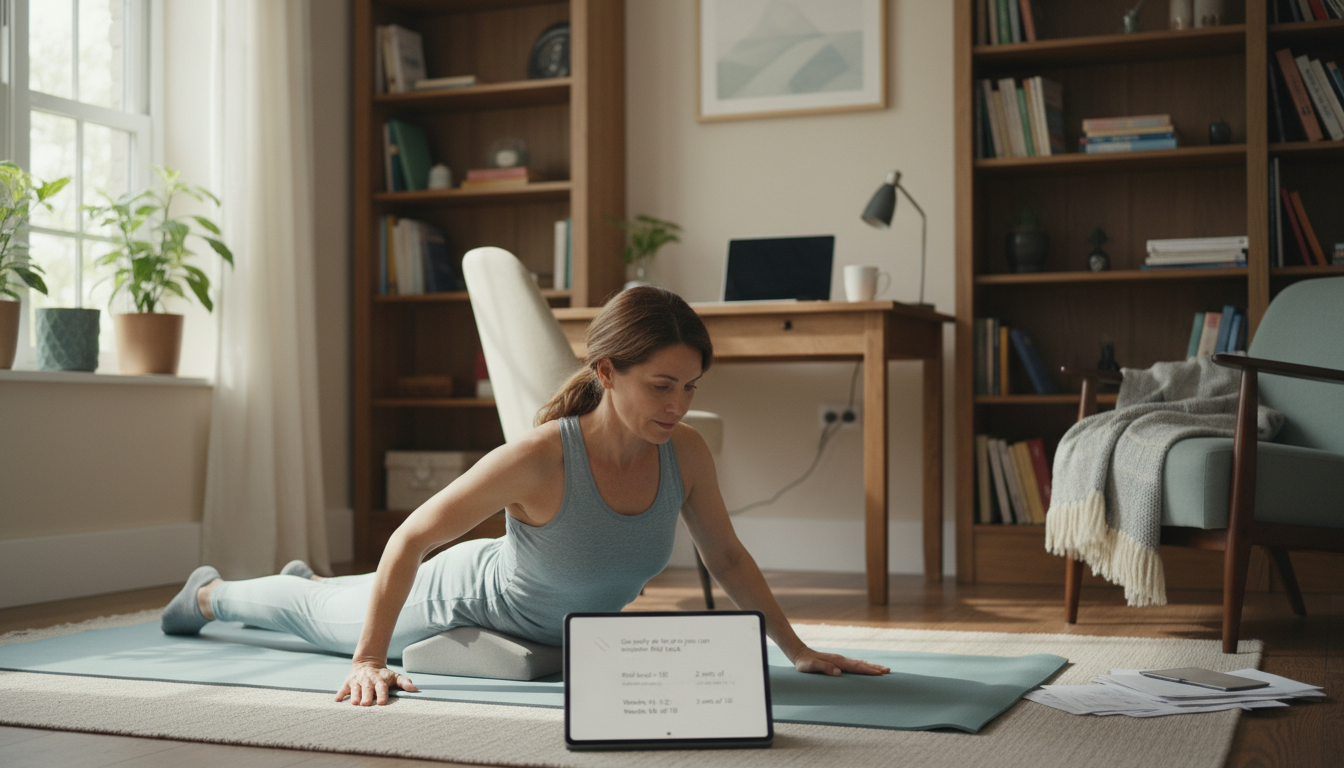
| Day | Focus | Duration |
|---|---|---|
| Monday | Full program | 25-35 min |
| Tuesday | Light activity (walking) | 20-30 min |
| Wednesday | Full program | 25-35 min |
| Thursday | Stretching/mobility | 15-20 min |
| Friday | Full program | 25-35 min |
| Saturday | Active recovery | 30+ min |
| Sunday | Rest | — |
Expect noticeable improvements in 4-6 weeks with consistent training. Significant strength gains take 8-12 weeks. Full development may take 6 months to a year. The key is progressive overload—gradually increasing challenge over time. Consistency matters more than intensity; three sessions weekly beats occasional heavy workouts.
Usually yes, with appropriate exercises and modifications. Start with gentle stability work (dead bug, bird dog) rather than loaded movements. Avoid exercises that increase your pain. If certain movements hurt, find alternatives. For significant or persistent pain, consult a healthcare provider before starting. Many physical therapy programs focus specifically on building back strength.
No—bodyweight exercises are highly effective. Dead bug, bird dog, planks, glute bridges, and supermans build significant strength without equipment. As you progress, adding resistance (dumbbells, bands, barbells) allows continued progress, but you can achieve excellent results with bodyweight alone. Equipment adds variety and progressive overload options.
Signs of progress: exercises feel easier (so you can add reps, sets, or weight), you can hold positions longer, daily activities require less effort, less fatigue at end of day, and reduced back pain. Track your numbers (reps, sets, weights, hold times) to objectively measure progress. Progress should be gradual but consistent over weeks and months.
Strength helps significantly but isn’t a complete solution. Back pain has multiple contributing factors: flexibility, posture habits, workstation ergonomics, stress, and external support during sitting. A strong back is more resilient and recovers faster, but you also need proper support during the many hours you’re not exercising. Combine strength training with good habits and lumbar support.
Building real lower back strength requires:
A strong lower back is achievable for almost everyone. It requires patience, consistency, and smart training—not complicated equipment or hours in the gym. Start where you are, progress steadily, and protect your investment with proper support.
Build Strength. Protect It.
Your exercise builds back strength. Our lumbar pillow protects it during the sitting hours that follow.
30-Day Money-Back Guarantee | 2-Year Warranty | Free Shipping
Your glutes have forgotten how to work. It sounds strange,

Your hip flexors are the hidden culprits of desk-job back
Your back is stiff, tight, and angry. And you’ve got

That nagging pain at the base of your spine—right where
Sitting with a herniated disc can feel like torture. Every
Your desk chair is failing you. Even if you paid

That deep ache in your buttock that won’t quit? The

You’ve blamed your chair for years. And you’re probably right—but
Your back is aching right now, isn’t it? That dull
Is your lower back screaming at you by 3 PM?