
Gluteal Amnesia and Back Pain
Your glutes have forgotten how to work. It sounds strange,

The best exercise for lower back pain is usually the one you’ll actually do consistently. Research consistently shows that movement and exercise help most back pain—but there’s no single “magic” exercise that works for everyone. What matters is finding the right exercises for your specific situation and doing them regularly.
📋 Table of Contents
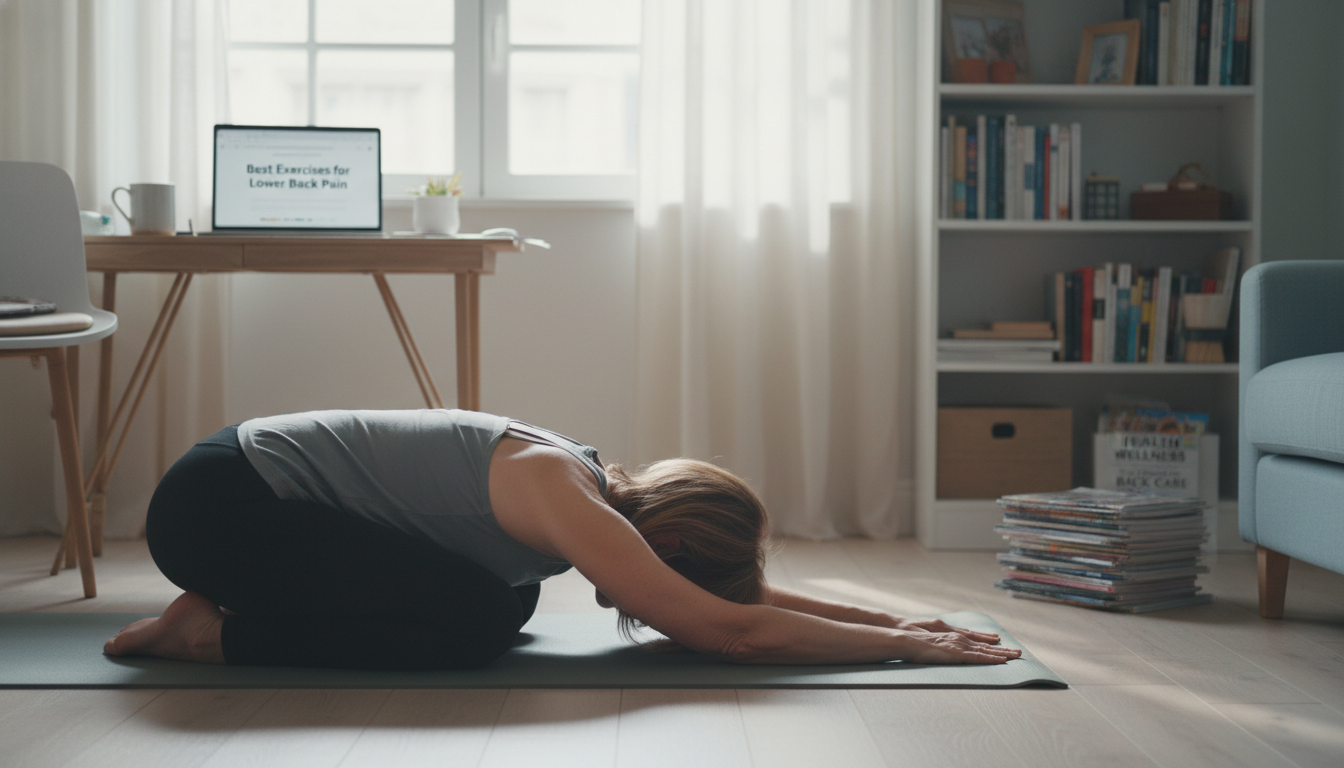
This guide covers the most effective exercises for lower back pain, organized by type and difficulty level. We’ll help you understand which exercises to try first, which to progress toward, and which to avoid based on your symptoms.
This is a comprehensive reference—you don’t need to do every exercise. Pick a few that work for you and build from there.
Exercise benefits back pain through multiple mechanisms:
Most guidelines now recommend staying active with back pain rather than bed rest. The specific exercises matter less than the general principle: controlled, progressive movement typically helps more than avoiding movement. Start where you can and build from there.
Start here if your back feels stiff or movement is limited:
Purpose: Mobilizes entire spine through flexion and extension
Best for: General stiffness, morning back pain, gentle warm-up
Purpose: Mobilizes lower spine, activates deep core
Best for: Acute pain, beginning exercise program, learning spinal movement
Purpose: Gentle rotation mobilization
Best for: Rotation stiffness, gentle morning routine
Purpose: Deeper rotational mobility
Best for: Mid-back stiffness, improving rotation range
Build control and support around your spine:
Purpose: Core stability while moving limbs
Best for: Learning core control, safe progression for most back pain
Purpose: Cross-body stability, multifidus activation
Best for: Building stability foundation, safe for most conditions
Purpose: Glute activation, posterior chain strengthening
Best for: Weak glutes, sitting-related back pain, hip extension
Purpose: Lateral stability, oblique strengthening
Progression: Straighten legs, increase hold time, add movement
Exercise + Support = Faster Progress
Proper lumbar support between exercise sessions helps maintain the alignment your exercises are building.
Complements Exercise | 30-Day Trial | 2-Year Warranty
Progress to these once stability exercises are comfortable:
Purpose: Learn to move at hips, not spine
Best for: Learning safe bending mechanics, preparing for lifting
Purpose: Lower body strength with spinal control
Best for: Building lower body strength, functional movement
Purpose: Core endurance, postural strength
Best for: Functional core strength, posture endurance
Purpose: Upper back strength, counter sitting posture
Best for: Desk workers, rounded shoulder posture, upper back weakness
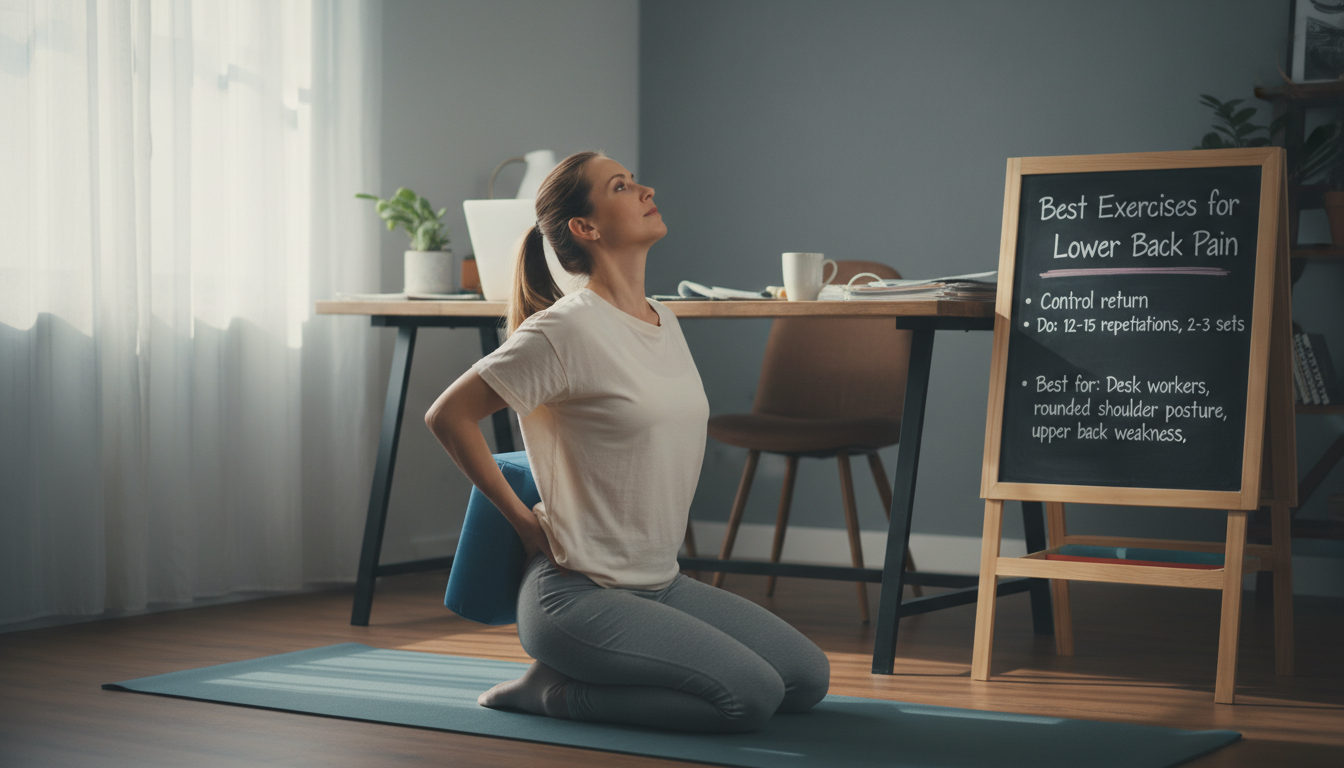
Address tight muscles that affect spinal position:
Purpose: Lengthen hip flexors shortened by sitting
Best for: Desk workers, anterior pelvic tilt, sitting-related pain
Purpose: Relieve tension in deep hip rotator
Best for: Buttock pain, sciatic symptoms, hip tightness
Purpose: Reduce hamstring tension affecting pelvis
Best for: Posterior chain tightness, bending limitations
Purpose: Gentle spinal flexion stretch, relaxation
Best for: General tension, decompression, stress relief
| Exercise | Sets x Reps | Frequency |
|---|---|---|
| Cat-Cow | 1 x 10 | Daily |
| Pelvic Tilts | 1 x 15 | Daily |
| Knee-to-Chest | 30 sec each | Daily |
| Glute Bridge | 2 x 10 | Every other day |
| Bird Dog | 2 x 8 each | Every other day |
| Walking | 15-20 min | Daily |
| Exercise | Sets x Reps | Frequency |
|---|---|---|
| Cat-Cow + Rotation | 1 x 10 each | Daily |
| Dead Bug | 3 x 10 each | 3x per week |
| Side Plank | 3 x 20 sec each | 3x per week |
| Hip Hinge | 3 x 12 | 3x per week |
| Goblet Squat | 3 x 12 | 3x per week |
| Hip Flexor Stretch | 60 sec each | Daily |
| Walking/Cardio | 20-30 min | Daily |
Normal during exercise:
Concerning during exercise:
There’s no single “best” exercise because back pain has different causes and what helps varies by individual. However, walking is consistently shown to help most types of back pain with low risk. For specific exercises, the dead bug and bird dog are safe starting points for most people because they build core stability without stressing the spine.
Usually yes—gentle movement typically helps more than rest. Start with pain-free or low-pain exercises like walking, gentle mobility work, and basic stability exercises. Avoid exercises that significantly increase your pain. The goal is controlled movement, not pushing through severe pain. If you’re unsure, consult a healthcare provider for specific guidance.
Daily gentle movement (walking, basic stretches) is ideal. Structured strength and stability exercises work well at 3-4 times per week, allowing recovery between sessions. Consistency matters more than intensity—regular brief sessions beat occasional long workouts. Some exercises like cat-cow and pelvic tilts can be done multiple times daily.
Several possibilities: you may have done too much too soon, used exercises inappropriate for your condition, or had poor form. Reduce intensity and duration, focus on exercises that feel good during and after, and ensure proper technique. If pain consistently worsens with exercise, consult a healthcare provider—you may need condition-specific modifications.
Most people need both. Stretching addresses muscle tightness that affects spinal position, while strengthening builds the support system around your spine. A complete program includes mobility (cat-cow), stability (dead bug, bird dog), strength (bridges, squats), and flexibility (hip flexor, hamstring stretches). The right balance depends on your specific patterns.
Effective exercise for lower back pain follows key principles:
Exercise is one of the most effective treatments for lower back pain—but it works best as part of a comprehensive approach that includes proper posture and support throughout your day.
Complete Your Back Pain Strategy
Exercise builds strength—our lumbar pillow provides support between sessions so you don’t undo your progress sitting at a desk.
30-Day Money-Back Guarantee | 2-Year Warranty | Free Shipping
Your glutes have forgotten how to work. It sounds strange,
Your hip flexors are the hidden culprits of desk-job back
Your back is stiff, tight, and angry. And you’ve got
That nagging pain at the base of your spine—right where
Sitting with a herniated disc can feel like torture. Every
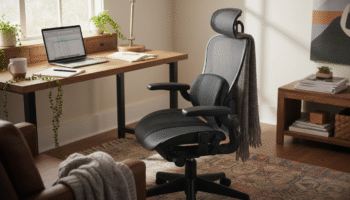
Your desk chair is failing you. Even if you paid
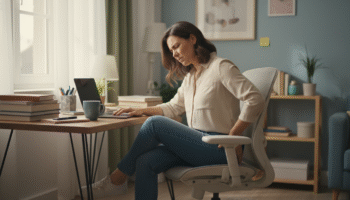
That deep ache in your buttock that won’t quit? The

You’ve blamed your chair for years. And you’re probably right—but
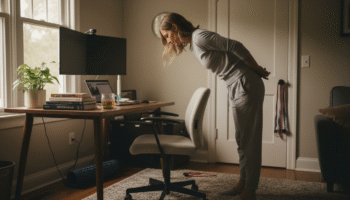
Your back is aching right now, isn’t it? That dull
Is your lower back screaming at you by 3 PM?