
Gluteal Amnesia and Back Pain
Your glutes have forgotten how to work. It sounds strange,
The diagnosis sounds scary: degenerative disc disease. But here’s what most people don’t realize—almost everyone over 40 has some degree of disc degeneration. The difference between “normal aging” and “disease” often comes down to symptoms. And for many people, those symptoms show up most during sitting.
📋 Table of Contents

Understanding how disc degeneration affects your sitting tolerance—and how that changes over time—helps you adapt your habits and workspace to manage symptoms throughout your career and beyond.
This guide explains what’s happening in your discs, why sitting can be particularly problematic, and progressive strategies as your condition evolves.
Despite the name, DDD isn’t really a “disease”—it’s a description of disc changes that occur with age and use:
The degenerated disc itself can cause pain through:
Here’s the counterintuitive truth: DDD often gets BETTER with time, not worse. As discs lose more water, they become stiffer and more stable. Many people find their symptoms improve in their 60s compared to their 40s.
MRI studies show 90% of people over 60 have disc degeneration. Most have no symptoms. The diagnosis of “degenerative disc disease” applies when degeneration causes pain—not just when imaging shows changes. Your symptoms matter more than your MRI findings.
Sitting increases intradiscal pressure by 40-90% compared to standing. For a healthy disc, this is manageable. For a degenerated disc:
Slouched sitting flexes the lumbar spine, which:
Prolonged sitting creates a problematic pattern:
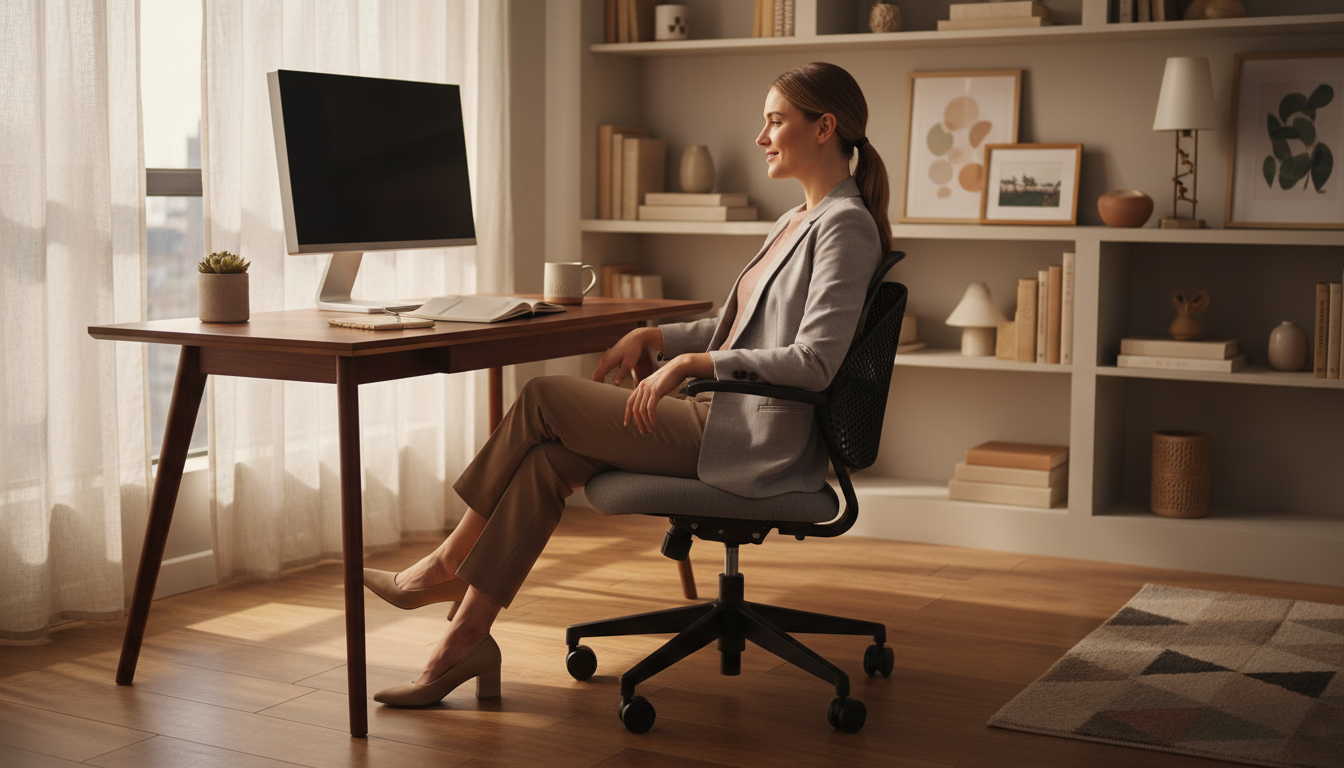
Maintaining your natural lumbar curve reduces disc pressure:
Why it works: Distributes disc pressure more evenly, reduces stress on posterior disc
Reclining reduces disc pressure significantly:
Why it works: Shifts some body weight to backrest, reducing vertical disc compression
Alternating positions prevents sustained compression:
Why it works: Allows disc to recover, promotes fluid exchange, prevents stiffness
Protect Your Discs While You Sit
Our ergonomic lumbar pillow maintains your lordotic curve—the position that distributes disc pressure most evenly.
Reduces Disc Pressure | 30-Day Trial | 2-Year Warranty
Focus on prevention and habit development:
More aggressive position management:
Adaptation to reduced tolerance:
For DDD, lumbar support isn’t optional—it’s essential:
Higher seat = less hip flexion = better lumbar position:
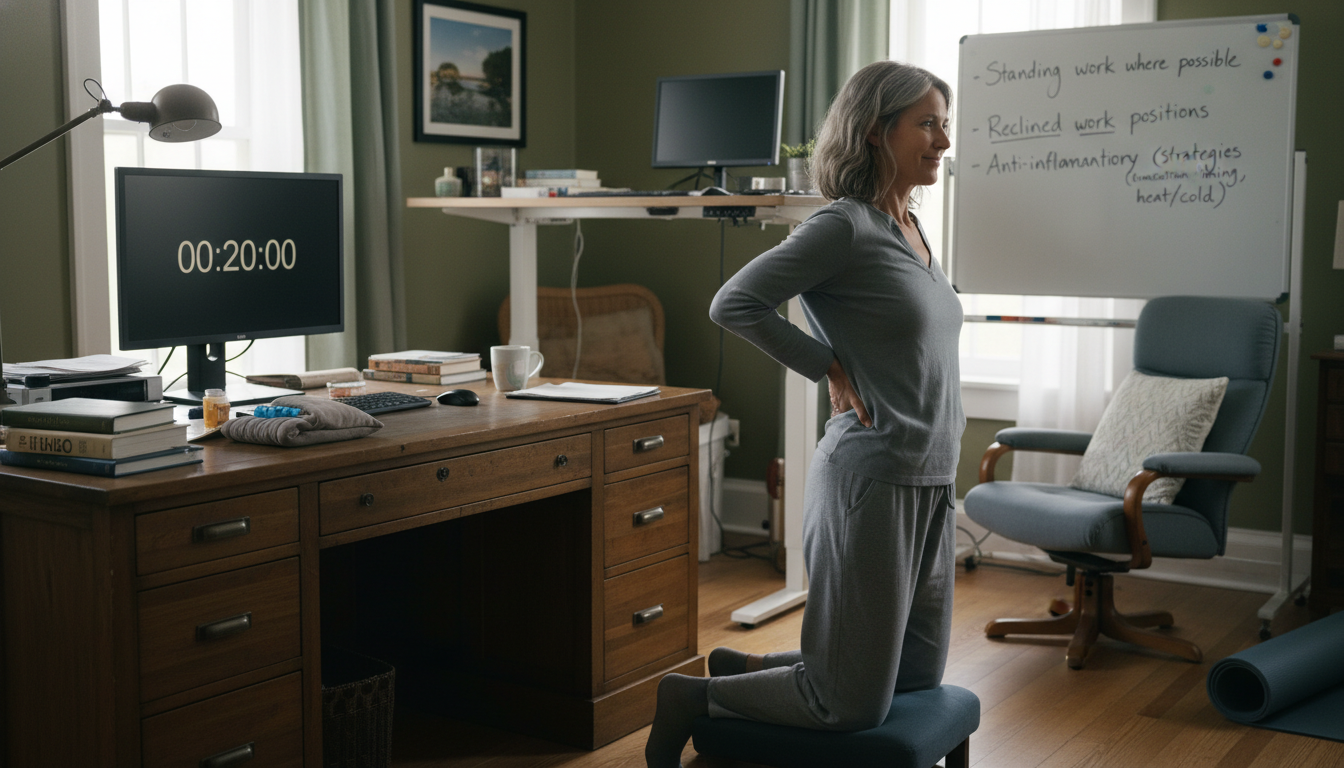
For moderate to advanced DDD, alternation is key:
Tilts pelvis forward, encouraging lordosis:
Discs rely on movement for nutrition (they don’t have blood supply):
Strong core muscles support the spine and reduce disc stress:
Every pound of body weight adds 3-5 pounds of pressure on lumbar discs when sitting. Weight loss significantly reduces disc loading.
Discs are mostly water:
Prolonged sitting with poor posture can increase disc pressure and potentially accelerate degeneration. However, proper sitting with lumbar support, regular position changes, and good overall spine health habits can allow you to sit comfortably without worsening your condition. The key is HOW you sit, not WHETHER you sit.
Sit with your lumbar curve supported, slight recline if possible, hips level with or above knees, and both feet flat on the floor. The goal is maintaining your natural spinal curves while minimizing disc pressure. Avoid slouching, which dramatically increases disc stress.
Most people with DDD should avoid sitting longer than 30-45 minutes without a position change. Some can tolerate longer with excellent positioning; others need more frequent breaks. Pay attention to your symptoms—increasing stiffness or pain means it’s time to move.
Imaging changes often progress, but symptoms frequently improve. As discs lose more water, they become stiffer and more stable. Many people find their worst symptoms are in their 40s and 50s, with improvement afterward. Maintaining mobility and muscle support helps ensure a better trajectory.
No. Complete sitting avoidance isn’t necessary or practical. The goal is smart sitting—proper position, adequate support, and regular movement breaks. Many people with significant disc degeneration work desk jobs successfully with proper modifications.
Living with degenerative disc disease doesn’t mean giving up desk work or comfortable sitting. The keys to success:
Your discs may be degenerating, but your quality of life doesn’t have to.
Support Your Spine Through Every Stage
Our orthopedic lumbar pillow provides the firm, consistent support DDD requires—in any chair, at any age.
30-Day Money-Back Guarantee | 2-Year Warranty | Free Shipping
Your glutes have forgotten how to work. It sounds strange,
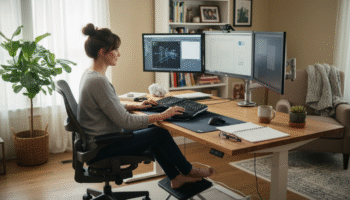
Your hip flexors are the hidden culprits of desk-job back
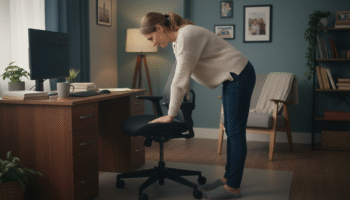
Your back is stiff, tight, and angry. And you’ve got
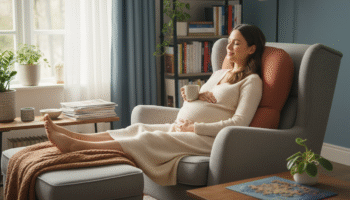
That nagging pain at the base of your spine—right where
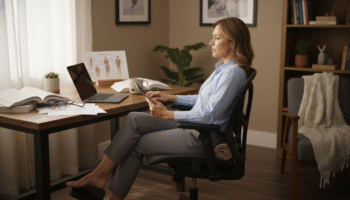
Sitting with a herniated disc can feel like torture. Every
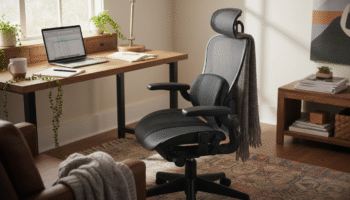
Your desk chair is failing you. Even if you paid
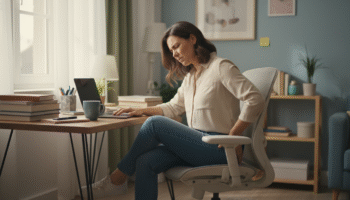
That deep ache in your buttock that won’t quit? The

You’ve blamed your chair for years. And you’re probably right—but
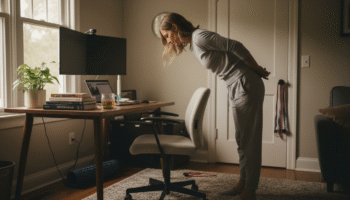
Your back is aching right now, isn’t it? That dull
Is your lower back screaming at you by 3 PM?