
Gluteal Amnesia and Back Pain
Your glutes have forgotten how to work. It sounds strange,

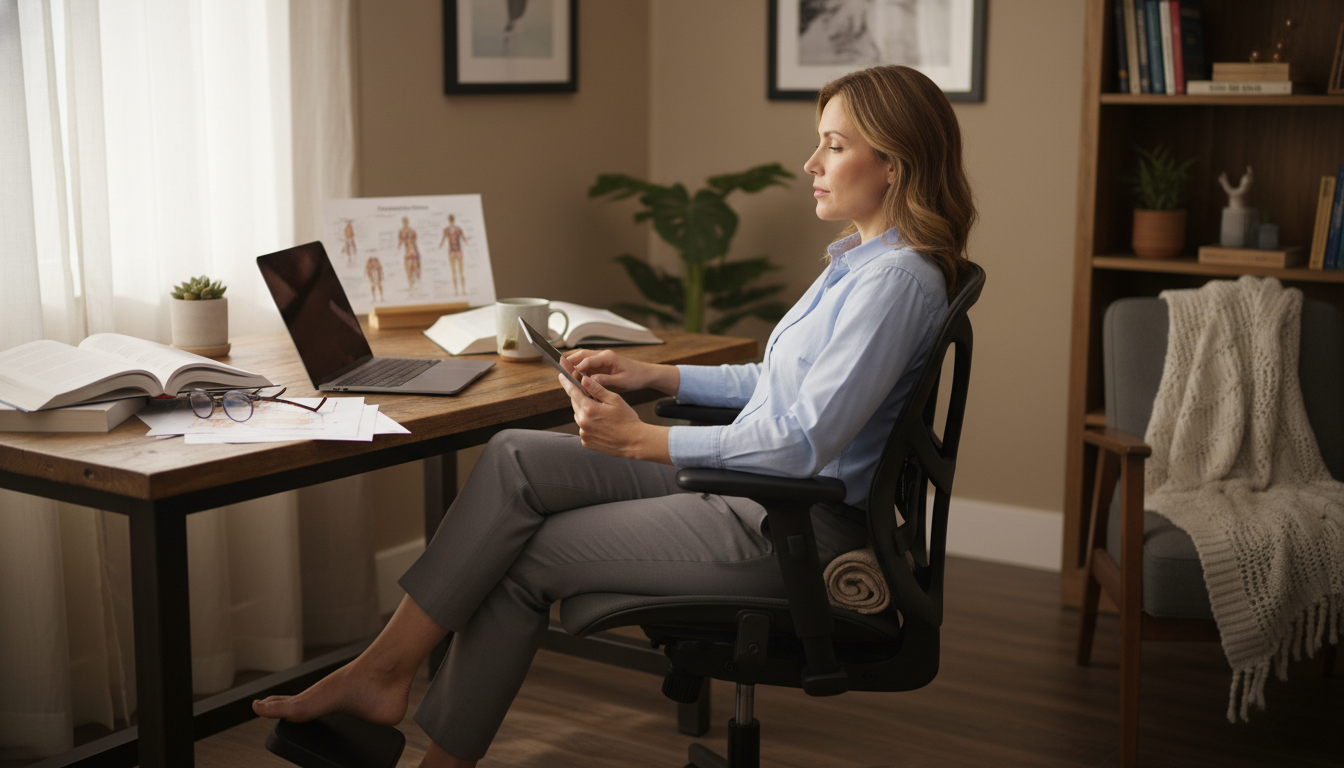
Sitting with a herniated disc can feel like torture. Every position seems wrong. You shift constantly, but nothing helps. And you’ve probably been told to “just avoid sitting”—which isn’t realistic when you have a desk job.
📋 Table of Contents
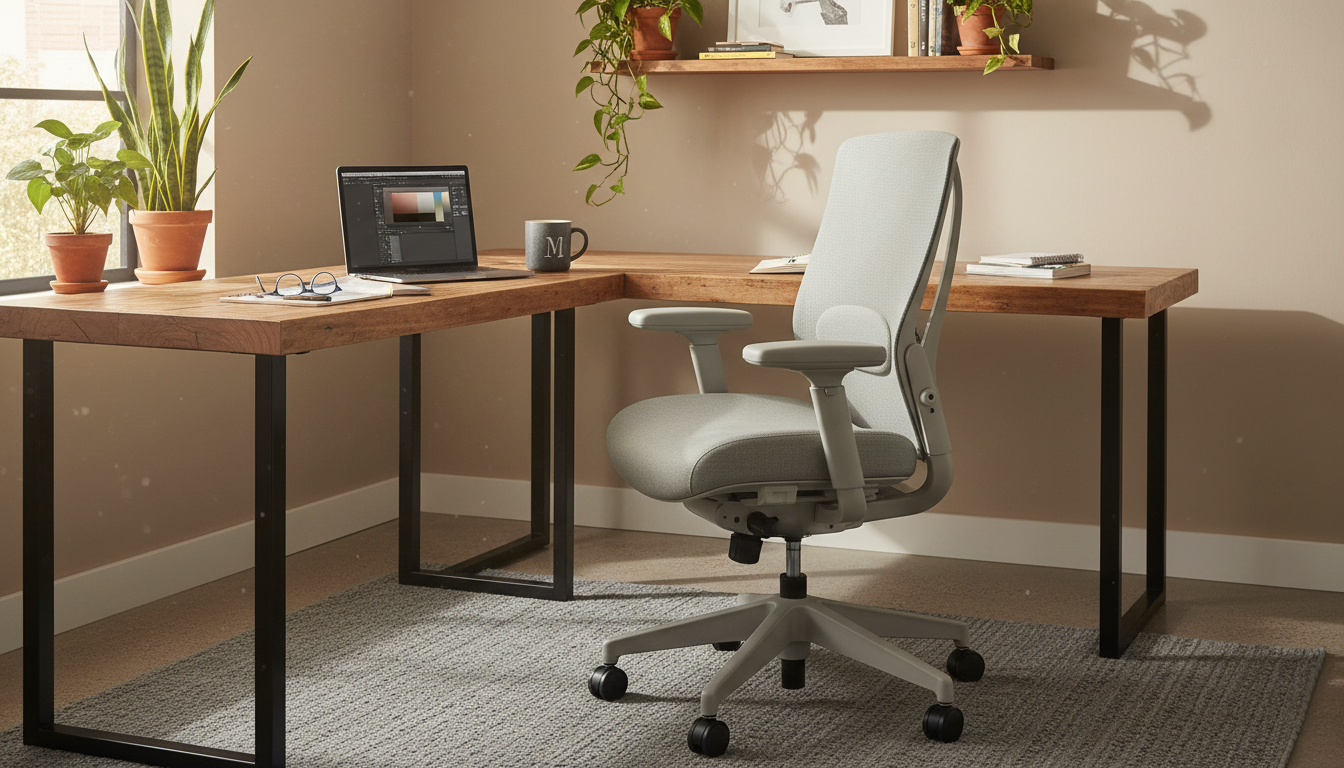
Here’s what most people don’t realize: sitting doesn’t have to be painful with a herniated disc. The problem isn’t sitting itself—it’s how you’re sitting. With the right positioning, equipment, and habits, you can work through the day without making your disc worse.
This guide gives you specific, medical-level guidance on sitting safely with disc herniation—including what positions help, what to avoid, and how to set up your workspace for recovery.
When you sit, pressure on your spinal discs increases 40-90% compared to standing. For a healthy disc, this is manageable. For a herniated disc, it can be problematic:
The direction of your disc herniation matters for positioning:
This guide provides general principles. Disc herniations vary significantly. If you have severe pain, radiating symptoms below the knee, or any neurological changes (numbness, weakness, bladder/bowel issues), consult a healthcare provider before implementing these suggestions.
Step 1: Chair Height
Step 2: Lumbar Support
Step 3: Backrest Angle
Step 4: Pelvis Position
Rounded lower back dramatically increases pressure on the posterior disc—exactly where most herniations occur. This is the single most important position to avoid.
Without backrest support, your muscles fatigue quickly, leading to eventual slouching. Always use your backrest.
Creates asymmetric pressure on the pelvis and spine. Can shift the disc herniation or create compensatory strain.
Couches and plush chairs allow your pelvis to sink and roll backward, forcing lumbar flexion. Firm surfaces are better.
Even in perfect position, prolonged sitting accumulates disc pressure and reduces healing blood flow. Maximum 30-45 minutes between standing breaks.
The most important equipment addition for herniated disc sitting. Look for:
Soft, squishy lumbar pillows often don’t provide enough support for herniated discs. Aim for medium-firm to firm.
Support Your Spine During Recovery
Our orthopedic lumbar pillow maintains your lower back curve—reducing disc pressure while you sit.
Firm Memory Foam | 30-Day Trial | 2-Year Warranty
A wedge cushion tilts your pelvis forward, naturally encouraging lordosis. Especially helpful if your chair seat tilts backward or if you can’t raise your seat high enough.
Alternating between sitting and standing is often ideal for disc herniation. Standing typically puts less pressure on discs than sitting (though prolonged standing has its own issues).
Kneeling chairs open the hip angle and encourage lordosis. However, they’re not comfortable for everyone, and prolonged use can strain knees. Use as an occasional alternative, not a primary seat.
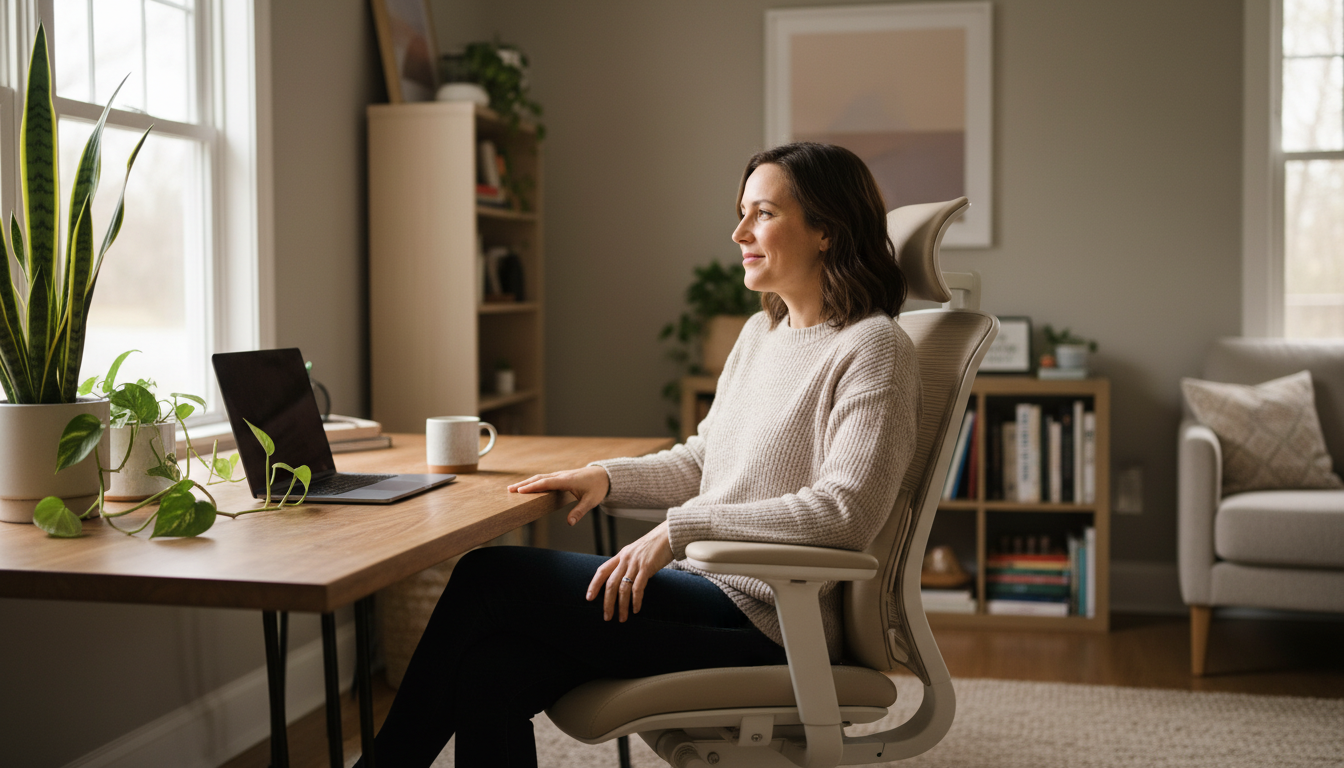
Maximum 30 minutes sitting, followed by 30 seconds of standing/movement, repeated throughout the day. Set a timer if needed.
Before long sitting periods:
Every 15-20 minutes (even if you don’t stand):
After extended sitting:
| Phase | Timeline | Sitting Guidance |
|---|---|---|
| Acute | 0-2 weeks | Minimize sitting; 15-20 min max sessions; strict positioning |
| Subacute | 2-6 weeks | Gradually increase; 30-45 min sessions; maintained positioning |
| Recovery | 6-12 weeks | Near-normal sitting; continue support; regular breaks |
| Remodeling | 3-12 months | Normal function; maintain good habits; support as needed |
Note: These timelines vary significantly based on herniation severity, location, and individual factors.
Seek immediate medical attention if:
Seek non-emergency evaluation if:
Yes, with proper positioning and regular breaks. Sitting with a maintained lumbar curve, slight recline, and good support is manageable for most disc herniations. Prolonged sitting in poor positions (slouching, soft furniture) should be avoided. Listen to your body—increased leg symptoms are a warning sign.
Sit with: lumbar support maintaining your lower back curve, slight backrest recline (100-120 degrees), hips level with or above knees, and feet flat on floor. Avoid slouching, crossing legs, or sitting on soft surfaces. Take standing breaks every 30-45 minutes.
In the acute phase (first 2 weeks), limit sitting to 15-20 minutes at a time. As you recover, gradually extend to 30-45 minute sessions with breaks. Even when fully recovered, breaks every hour are recommended. Never sit through increasing pain or leg symptoms.
Generally yes—lying down dramatically reduces disc pressure. However, too much lying down can cause deconditioning. Aim for a balance: lie down when pain is high, sit properly for necessary activities, and walk regularly. The ideal position varies by person and disc location.
Heat can help relax muscles and improve comfort while sitting. Use low-to-medium heat for 15-20 minute periods. However, heat doesn’t address the underlying position issues—you still need proper support and positioning. Some people find ice more helpful during acute inflammation.
Poor sitting (slouching, prolonged static positioning, soft surfaces) can worsen disc herniation by increasing pressure on the damaged area. Proper sitting with lumbar support and regular breaks shouldn’t worsen the condition and can be part of recovery. If sitting consistently increases your symptoms, consult a healthcare provider.
Living and working with a herniated disc is challenging, but sitting doesn’t have to be unbearable. The keys to successful sitting:
With consistent good positioning and proper support, most people with herniated discs can work through recovery while their disc heals.
Don’t Let Your Disc Herniation Control Your Life
Our orthopedic lumbar pillow provides the firm, consistent support disc herniation recovery requires—in any chair.
30-Day Money-Back Guarantee | 2-Year Warranty | Free Shipping
Your glutes have forgotten how to work. It sounds strange,
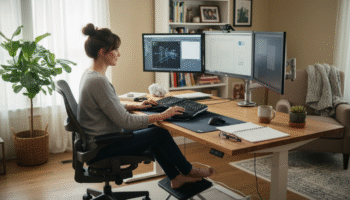
Your hip flexors are the hidden culprits of desk-job back
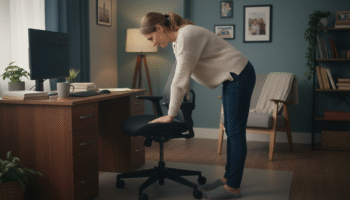
Your back is stiff, tight, and angry. And you’ve got
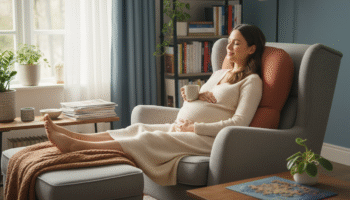
That nagging pain at the base of your spine—right where
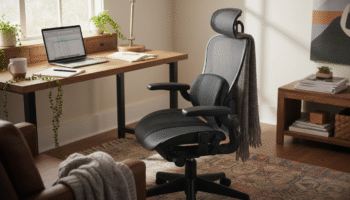
Your desk chair is failing you. Even if you paid
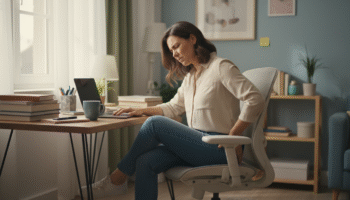
That deep ache in your buttock that won’t quit? The

You’ve blamed your chair for years. And you’re probably right—but
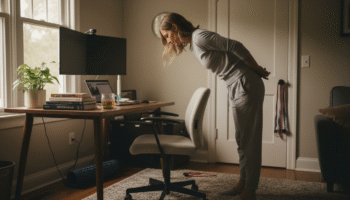
Your back is aching right now, isn’t it? That dull
Is your lower back screaming at you by 3 PM?
Most lumbar pillows end up in closets within weeks. Not