
Gluteal Amnesia and Back Pain
Your glutes have forgotten how to work. It sounds strange,

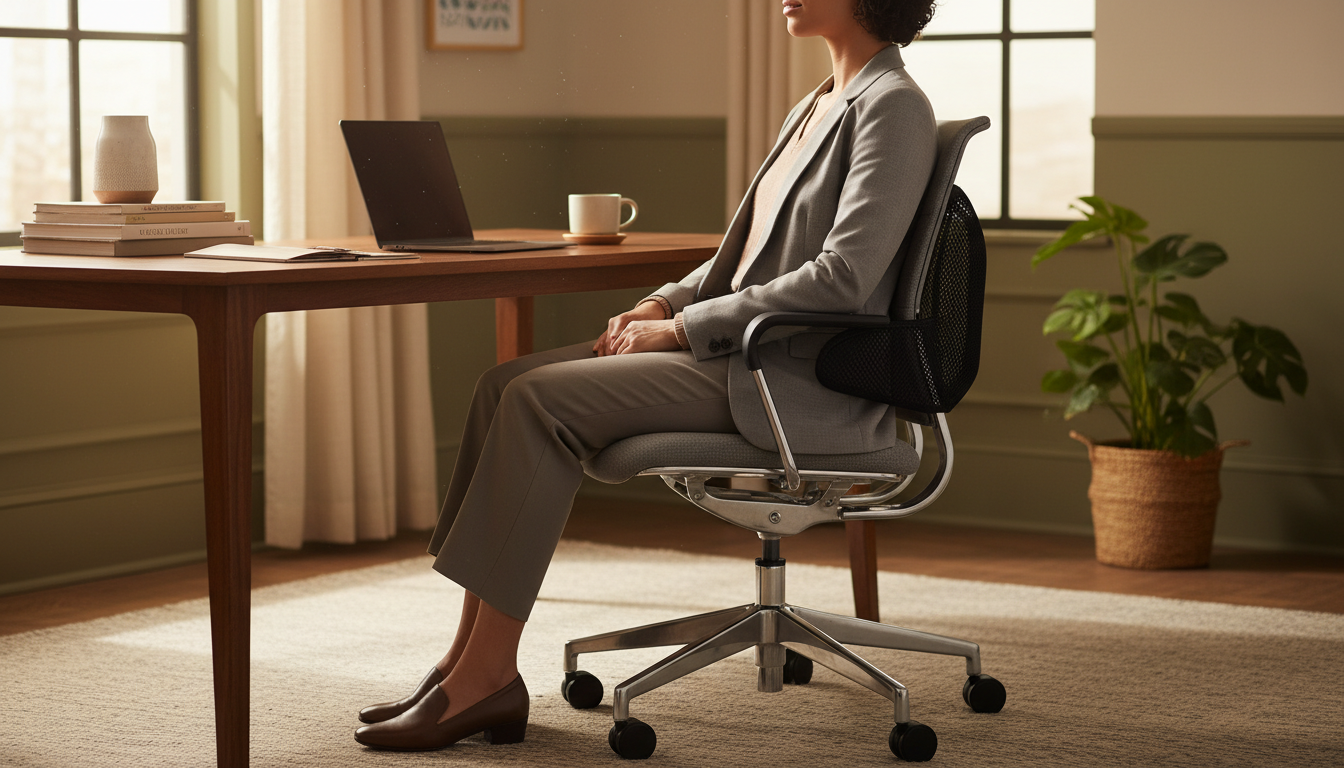
Sciatica transforms sitting from a neutral activity into a pain management challenge.
📋 Table of Contents
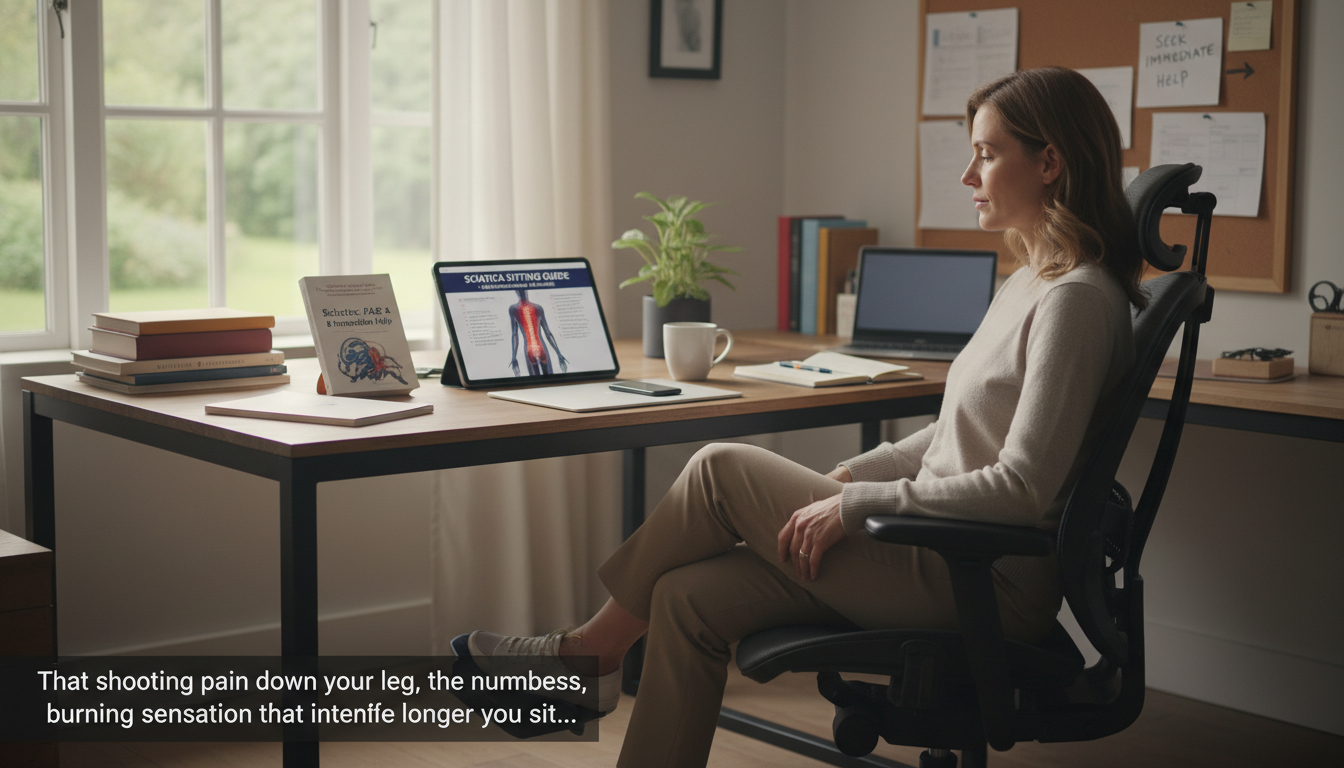
That shooting pain down your leg, the numbness, the burning sensation that intensifies the longer you sit—it’s not just uncomfortable. It’s debilitating. And for the 40% of people who will experience sciatica at some point, sitting often makes everything worse.
This guide covers the science of why sitting aggravates sciatica, which positions and supports actually help, and how to make it through your workday without wanting to scream.
Sciatica isn’t a diagnosis—it’s a symptom. It describes pain that radiates along the sciatic nerve, which runs from your lower back through your hips and buttocks, then down each leg. The sciatic nerve is the longest and thickest nerve in your body, about the width of a finger.
Common causes of sciatica include:
Sitting creates the perfect storm for sciatic pain:
Increased disc pressure: Sitting puts 40-90% more pressure on your lumbar discs than standing. If a herniated disc is causing your sciatica, this added pressure pushes more disc material against the nerve.
Nerve compression: Standard sitting positions can compress the sciatic nerve directly, especially in the piriformis region. The longer you sit, the more compressed the nerve becomes.
Flexed spine position: Most people sit with a rounded lower back. This flexion opens the posterior disc space, encouraging disc material to bulge backward—right where the nerve roots exit.
Muscle tightening: Extended sitting tightens the hip flexors, hamstrings, and piriformis—all muscles that can contribute to or worsen sciatic pain.
Reduced blood flow: Compression and immobility reduce blood flow to the nerve, which needs oxygen and nutrients to function and heal.
Research suggests that symptoms often intensify after about 20 minutes of continuous sitting. This isn’t random—it’s approximately how long it takes for:
This 20-minute mark is important. If you can interrupt sitting before or around this point, you can often prevent the cascade of worsening symptoms.
Every position recommendation aims at the same outcome: minimizing pressure on the sciatic nerve while maintaining sustainable posture. There’s no single “perfect” position—what works depends on your specific cause of sciatica.
For most sciatica sufferers, especially those with disc-related causes:
Why it works: Lumbar support maintains the spine’s natural lordosis, which keeps disc pressure distributed evenly and reduces posterior bulging toward the nerve root.
Orthopedic support matters: The LumbarPillow Orthopedic Support is specifically designed to maintain neutral spine position. Its AirFlex™ memory foam conforms to your lower back’s natural curve, providing consistent support that doesn’t flatten over time—critical for managing sciatica symptoms throughout long workdays.
If upright sitting is too painful:
Why it works: Reclining redistributes body weight, reducing compressive force on the lumbar spine and discs.
If piriformis syndrome is causing your sciatica:
Why it works: Perching opens the hip angle, reducing compression of the piriformis muscle against the sciatic nerve.
If pain is worse on one side:
Cross-legged sitting: Rotates the pelvis and can compress the sciatic nerve, especially with piriformis syndrome.
Wallet in back pocket: Creates uneven pressure and can directly compress the nerve. Remove it before sitting.
Slouched sitting: Flexes the lower back, increasing disc pressure and nerve compression.
Sitting on soft surfaces: Provides no support and allows the pelvis to tilt backward, rounding the lower back.
Lumbar support is non-negotiable for sciatica management. It maintains the spine’s natural curve and prevents the flexed posture that worsens symptoms.
What to look for:
What to avoid:
A quality seat cushion serves two functions:
Types of seat cushions:
Coccyx cutout cushions: Have a U-shaped or wedge cutout at the back. Reduces tailbone pressure and can help with some types of sciatica, particularly if pain originates lower in the buttock.
Wedge cushions: Tilt the pelvis forward, helping maintain lumbar lordosis. Good for disc-related sciatica but may not help piriformis syndrome.
Combination cushions: Memory foam with both coccyx cutout and wedge angle. Most versatile option for sciatica sufferers.
Your chair should allow:
A sit-stand desk allows you to alternate positions throughout the day. Standing relieves the sitting-specific pressures on the sciatic nerve, though standing too long creates its own problems.
Ideal approach: Alternate between sitting (with proper support) and standing every 20-30 minutes.
No sitting position—no matter how perfect—should be maintained indefinitely. Movement is medicine for sciatica:
Every 20 minutes:
This takes less than 2 minutes and can dramatically reduce symptom buildup.
Standing Piriformis Stretch:
Standing Hamstring Stretch:
Standing Extension:
Hip Flexor Stretch:
Nerve glides (also called neural flossing) help the sciatic nerve move freely through surrounding tissues:
Important: This should create movement sensation, not pain. If it hurts, stop and consult your healthcare provider.
Monitor positioning:
Keyboard and mouse:
Document placement:
Setting movement reminders is essential—you’ll forget otherwise, especially when focused on work:
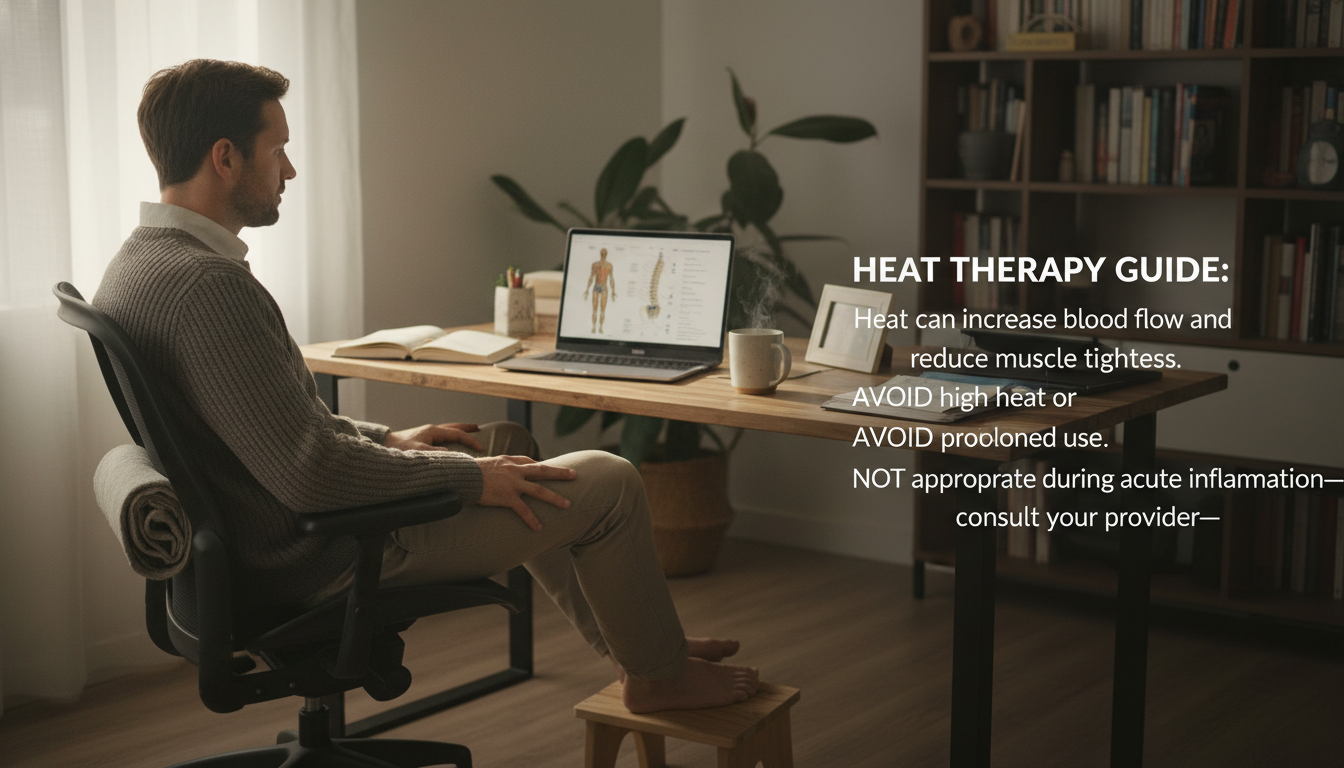
Some sciatica sufferers find relief from warmth:
Car seats present unique challenges for sciatica:
Seat adjustment:
Add lumbar support:
Stop frequently:
Enter/exit carefully:
You may need workplace accommodations:
Most of these are reasonable accommodations under workplace accessibility guidelines.
Long meetings are sciatica’s enemy:
Flights:
Hotels:
If sitting is too painful, standing may help:
Some sciatica sufferers find relief with kneeling chairs:
In severe cases, you may need to work lying down temporarily:
Most sciatica improves with conservative care. However, seek immediate medical attention if you experience:
These require emergency evaluation—cauda equina syndrome in particular is a surgical emergency.
Neither is universally better—it depends on your specific condition and what position provides relief. Generally, alternating between sitting (with proper lumbar support) and standing is ideal. Most people with disc-related sciatica do better avoiding prolonged sitting, while some with spinal stenosis actually feel worse standing. Experiment with both and follow your body’s feedback.
Look for: adjustable height, seat depth adjustment, recline function, and built-in or accommodated lumbar support. The best chair is one you can customize to your body. However, even a basic chair can work well with an external orthopedic lumbar support—which often provides better, more targeted support than built-in chair mechanisms.
Follow the 20-minute rule: avoid sitting continuously for more than 20 minutes without at least standing briefly. With proper lumbar support and regular movement breaks, most people can manage a full workday. Without proper support, symptoms often escalate significantly within 30-60 minutes.
Yes—lumbar support is one of the most effective tools for sitting with sciatica. It maintains your spine’s natural curve, reduces disc pressure, and prevents the flexed posture that compresses the sciatic nerve. A quality orthopedic lumbar pillow provides significantly better support than most built-in chair lumbar mechanisms.
Prolonged poor sitting posture doesn’t typically cause permanent nerve damage, but it can significantly slow healing and worsen symptoms during a sciatica episode. The bigger risk is developing compensatory patterns that lead to additional problems. Proper sitting posture and regular movement help the condition heal rather than become chronic.
Heat is generally more helpful for chronic sciatica—it increases blood flow and relaxes tight muscles. Ice is typically better for acute inflammation in the first 48-72 hours of a new episode. For sitting, a low-heat heating pad or heated seat cushion can provide comfort, but avoid high temperatures or prolonged use. Consult your healthcare provider for personalized guidance.
Sitting with sciatica is manageable—with the right support.
Our orthopedic lumbar pillow maintains your spine’s natural curve, reduces disc pressure, and helps prevent the nerve compression that makes sciatica worse. AirFlex™ memory foam conforms to your specific anatomy for personalized support that lasts all day.
30-Day Money-Back Guarantee | 2-Year Warranty | Free Shipping
Your glutes have forgotten how to work. It sounds strange,
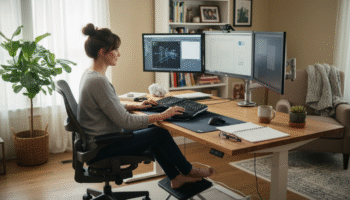
Your hip flexors are the hidden culprits of desk-job back
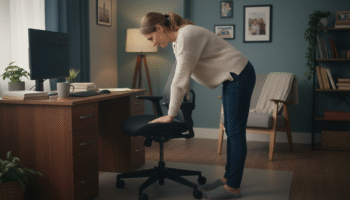
Your back is stiff, tight, and angry. And you’ve got
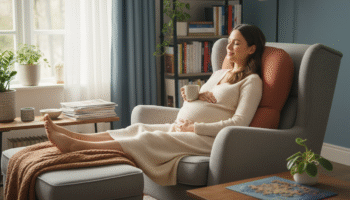
That nagging pain at the base of your spine—right where
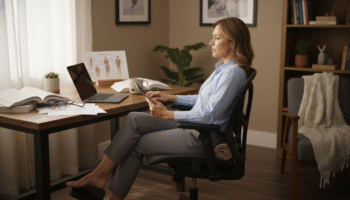
Sitting with a herniated disc can feel like torture. Every
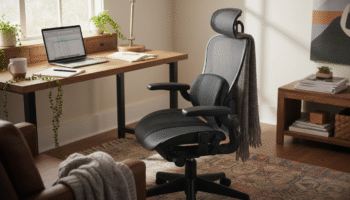
Your desk chair is failing you. Even if you paid
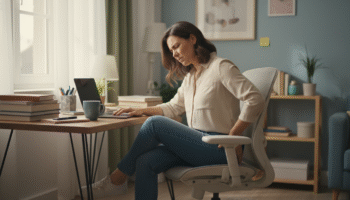
That deep ache in your buttock that won’t quit? The

You’ve blamed your chair for years. And you’re probably right—but
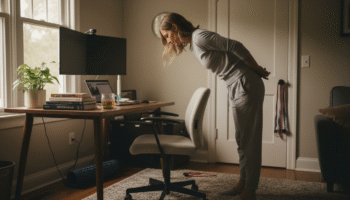
Your back is aching right now, isn’t it? That dull
Is your lower back screaming at you by 3 PM?