
Gluteal Amnesia and Back Pain
Your glutes have forgotten how to work. It sounds strange,

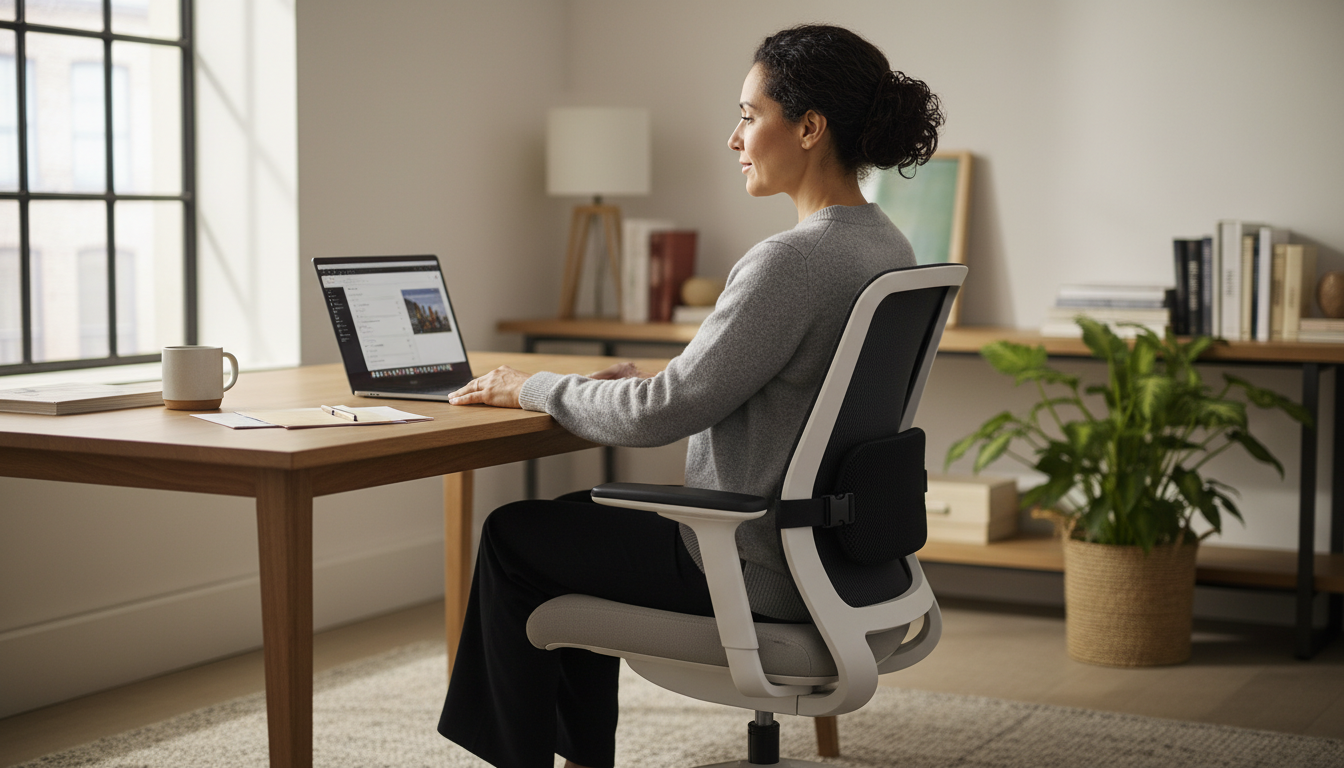
You’ve heard sitting is “the new smoking.” But what’s actually happening inside your body during those 8+ hours at your desk?
📋 Table of Contents
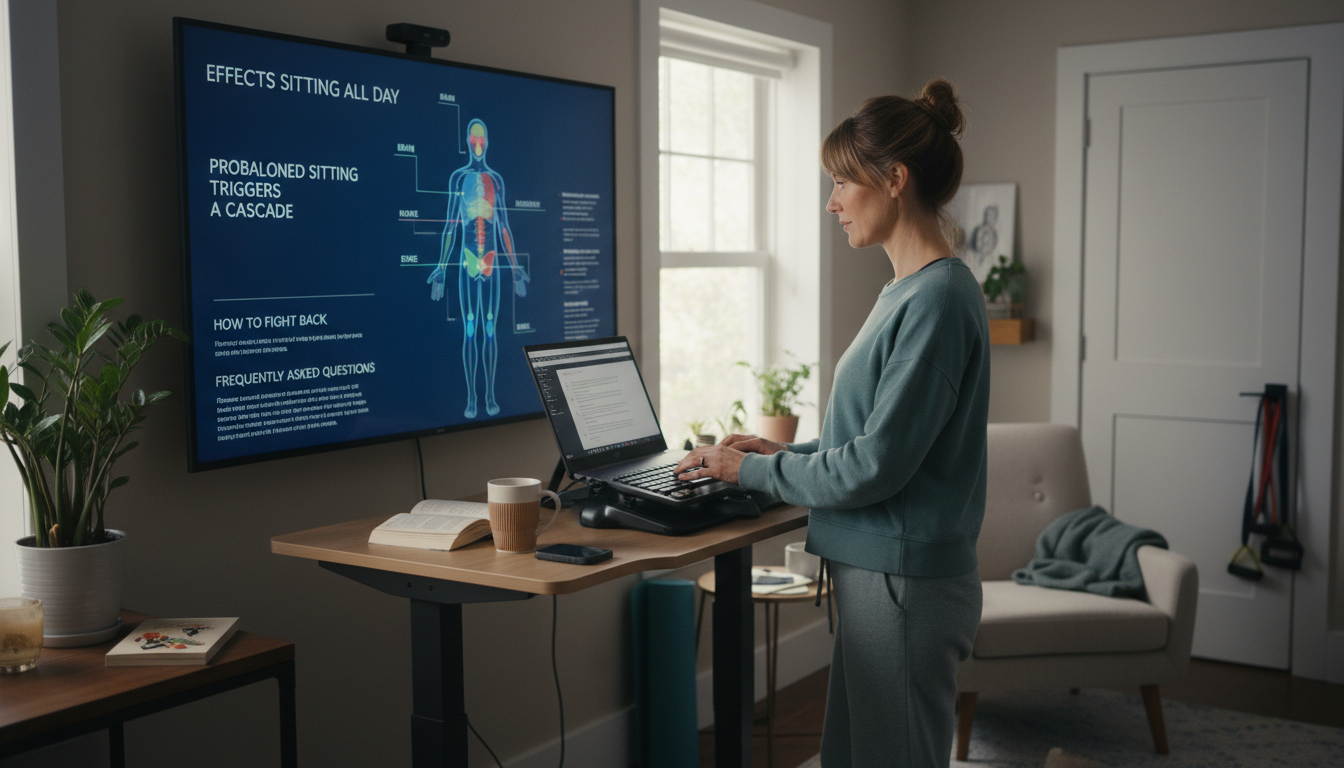
The effects aren’t just back pain. From your brain to your bones, prolonged sitting triggers a cascade of changes—most of them bad. Understanding what’s happening is the first step to fighting back.
This guide breaks down the science of what sitting does to your body, hour by hour, and what you can do about it.
Within the first hour of sitting, changes begin:
Chronic prolonged sitting leads to:
Your spinal discs act as shock absorbers between vertebrae. When you sit:
This is why back pain from sitting often develops gradually—the damage accumulates over time.
Sitting creates a predictable pattern of muscle problems:
Muscles that tighten:
Muscles that weaken:
This imbalance pulls your body out of alignment, creating pain even when you’re not sitting.
Over time, sitting reshapes your posture:
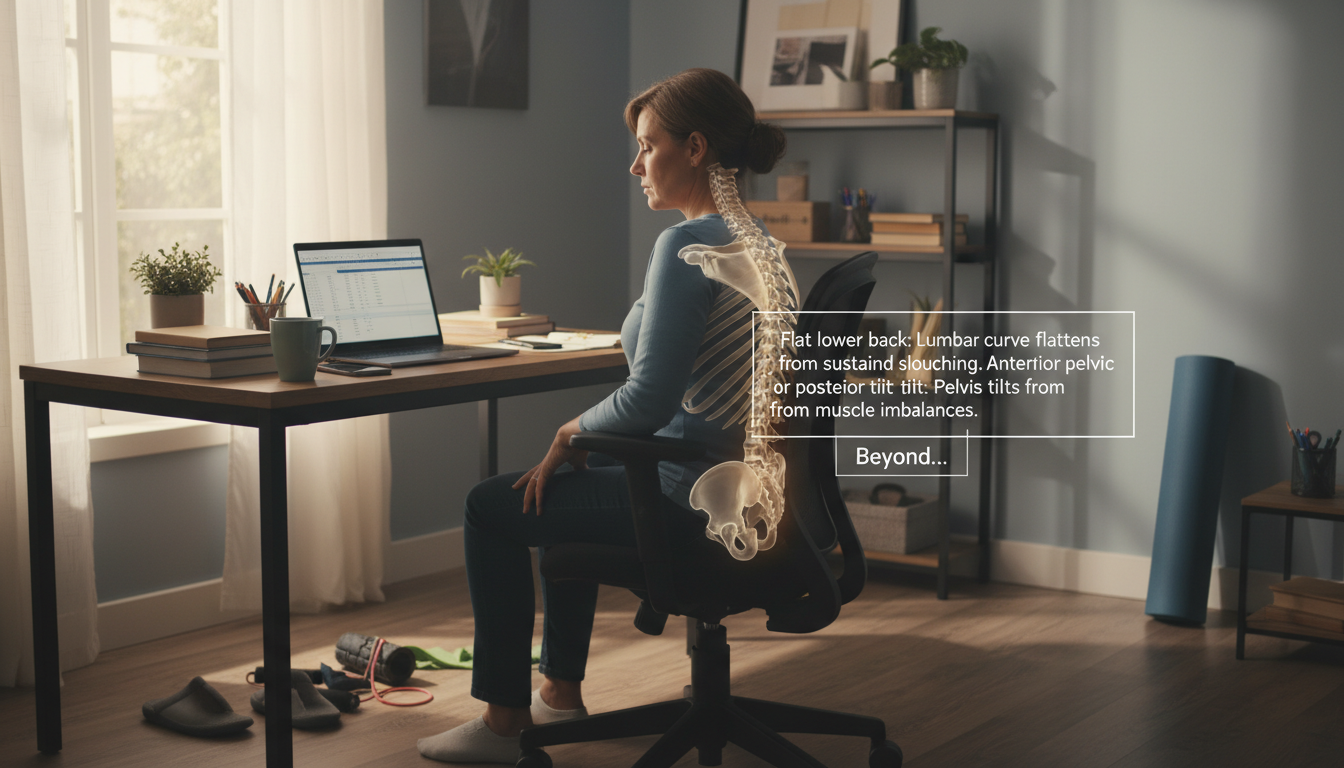
If you must sit, sit correctly. This starts with lumbar support.
A lumbar pillow maintains your spine’s natural curve, reducing disc pressure and muscle strain. It’s the single most effective intervention for seated posture because it works passively—you don’t have to constantly think about it.
Essential protection: The LumbarPillow Orthopedic supports your lower back throughout the workday. AirFlex™ memory foam maintains your spinal curve, reducing the pressure that causes disc damage and muscle fatigue.
Movement breaks are non-negotiable. Your body needs to move to stay healthy.
Minimum recommendation:
Movement snacks:
Target the muscles that sitting tightens:
Hip flexor stretch: Kneeling lunge, push hips forward, hold 30 seconds each side
Chest stretch: Doorway stretch with arms at 90 degrees, hold 30 seconds
Neck stretches: Chin tucks and ear-to-shoulder stretches
Build up the muscles that sitting weakens:
Partially, but not completely. Research shows that even people who exercise regularly face health risks from prolonged sitting. Exercise helps, but it doesn’t fully counteract 8+ hours of sitting. The solution is both: regular exercise AND reducing continuous sitting time with breaks and proper support.
At minimum, stand and move every 30-60 minutes. More frequent is better—some experts recommend 5 minutes of movement every 30 minutes. The key is breaking up long continuous sitting periods. Even standing for a few minutes resets some of the negative processes.
Not necessarily. Standing all day creates its own problems: leg fatigue, varicose veins, foot pain. The ideal is variation—alternating between sitting (with proper support), standing, and movement. A sit-stand desk used for 50% sitting/50% standing is better than all of either.
Early warning signs include: lower back stiffness or pain after sitting, tight hip flexors (hard to stand up straight), rounded shoulders, neck pain, fatigue in the afternoon, and difficulty maintaining good posture. If you notice these, take action before problems become chronic.
Acute effects (muscle stiffness, disc compression) can improve within days to weeks with better habits. Chronic changes (postural adaptations, muscle imbalances) may take months of consistent effort—stretching, strengthening, and proper support. The longer you’ve been sedentary, the longer recovery takes. Start now.
Protect yourself while you sit.
You can’t avoid sitting entirely, but you can sit smarter. Our orthopedic lumbar pillow reduces spinal pressure and maintains proper alignment—minimizing the damage from every hour at your desk.
30-Day Money-Back Guarantee | 2-Year Warranty | Free Shipping
Your glutes have forgotten how to work. It sounds strange,
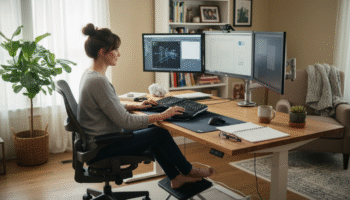
Your hip flexors are the hidden culprits of desk-job back
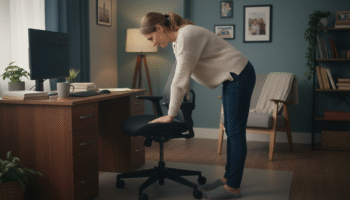
Your back is stiff, tight, and angry. And you’ve got

That nagging pain at the base of your spine—right where
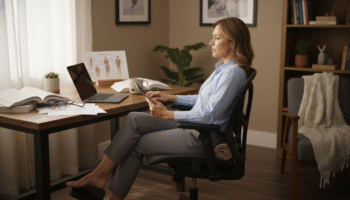
Sitting with a herniated disc can feel like torture. Every
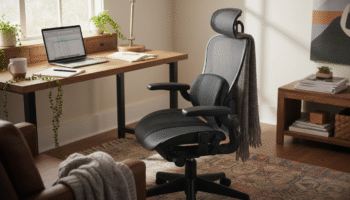
Your desk chair is failing you. Even if you paid
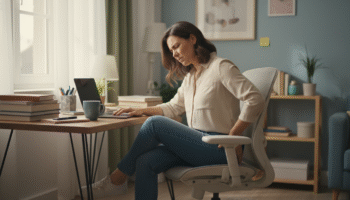
That deep ache in your buttock that won’t quit? The

You’ve blamed your chair for years. And you’re probably right—but
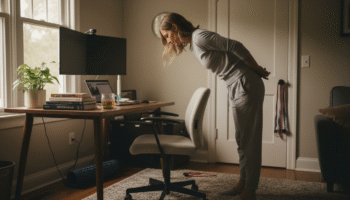
Your back is aching right now, isn’t it? That dull
Is your lower back screaming at you by 3 PM?